
Landscaping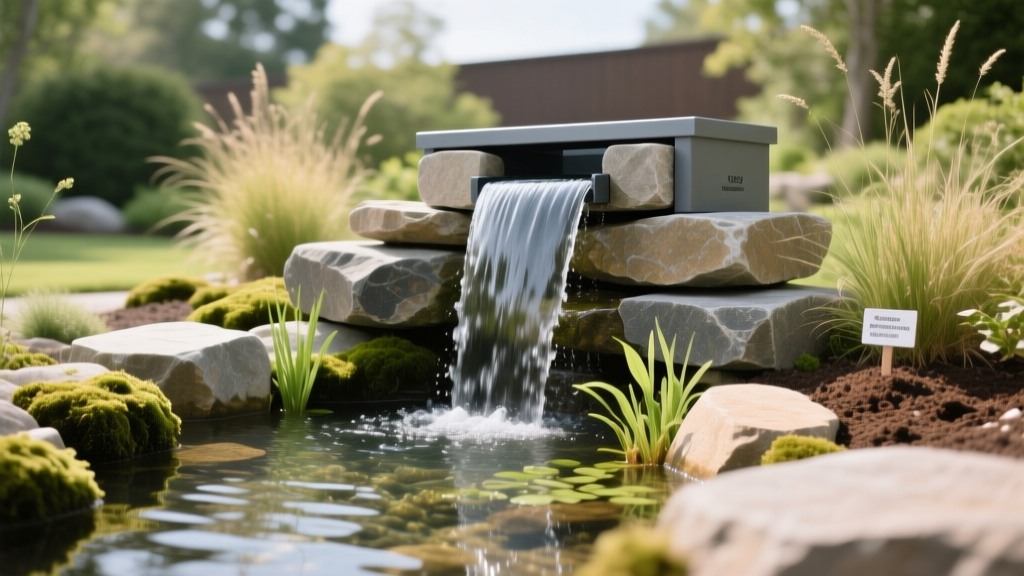
Aquascape Pondless Waterfall: 2026 Install & Fertilizer Guide
James MillerPublished
Integrating Hardscaping and Plant Nutrition in 2026
As we navigate the 2026 landscaping season, the integration of dynamic hardscaping with lush, vibrant softscaping remains a top priority for homeowners. Among the most sought-after hardscape features is the pondless waterfall. It offers the tranquil sound and visual beauty of moving water without the safety concerns or maintenance requirements of a full pond. However, installing a water feature is only half the battle. The surrounding garden beds require meticulous plant nutrition to thrive, and this is where many landscapers and DIYers make a critical error. Fertilizing the plants around a recirculating water feature requires a specialized approach. If the wrong fertilizer types are used, or if the application schedule is mismanaged, nutrient runoff will inevitably poison the water feature's hidden ecosystem, leading to aggressive algae blooms and pump degradation. This comprehensive guide covers the installation of the 2026 Aquascape Pondless Waterfall Kit and details the precise fertilizer types and schedules needed to maintain a pristine, balanced landscape.
Step-by-Step: Installing the 2026 Aquascape Pondless Waterfall Kit
The 2026 Pro Series Pondless Waterfall Kit by Aquascape represents the pinnacle of modular water feature engineering. Designed for easier excavation and superior water flow management, this kit includes the patented Snorkel Vault, the Centipede Module, a heavy-duty 45-mil EPDM liner, and the energy-efficient AquaSurge 2000 pump. Here is how to properly install the system to prepare for your surrounding landscape beds.
1. Excavation and Base Preparation
Begin by outlining the footprint of your waterfall stream and the hidden basin. The basin must be located at the lowest point of the surrounding landscape grade to allow for natural water runoff capture, though we will discuss managing fertilizer runoff later. Dig the basin deep enough to accommodate the Snorkel Vault and Centipede Module, ensuring a level base of compacted gravel. The stream bed should be excavated with varying depths and shallow shelves to accommodate different sizes of river rock and boulders.
2. Underlayment and EPDM Liner Placement
Line the entire excavated area with a geotextile underlayment to protect against root punctures and sharp stones. Drape the 45-mil EPDM rubber liner over the underlayment, ensuring it extends at least 18 inches beyond the edges of the stream and basin. This excess liner is crucial for creating a capillary break that prevents surrounding soil and mulch from wicking water out of the system.
3. Plumbing, Pump, and Vault Assembly
Place the Centipede Module inside the Snorkel Vault within the basin. This modular system prevents gravel from clogging the pump while allowing easy access for maintenance. Connect the AquaSurge pump to the flexible PVC plumbing, running the line up the stream bed to the waterfall spillway. Secure the spillway at the highest point of the stream, ensuring it is perfectly level so water cascades evenly over the lip.
4. Rock Placement and Gravel Infill
Arrange your primary boulders along the stream edges to create a naturalistic look. Fill the basin with 1 to 2 inches of washed river gravel over the Centipede Module, and cover the stream bed with a mix of pea gravel and larger cobblestones. This gravel matrix not only looks natural but also provides surface area for beneficial bacteria to colonize, which is your first line of defense against nutrient overload.
The Hidden Threat: Fertilizer Runoff in Recirculating Systems
Once the Aquascape kit is installed, the focus shifts to the surrounding landscape beds. Homeowners typically plant moisture-loving ornamentals like Hostas, Astilbes, Japanese Painted Ferns, and Creeping Jenny around the waterfall's edges. These plants require consistent nutrition. However, when it rains, or when you irrigate, water flows through the mulch and soil, picking up dissolved fertilizers and carrying them directly into the waterfall's gravel bed and hidden reservoir.
According to the Environmental Protection Agency (EPA), excess nitrogen and phosphorus are the primary drivers of aquatic ecosystem degradation. In a closed-loop pondless system, these nutrients act as rocket fuel for string algae and single-celled green water. Because a pondless waterfall lacks the massive biological filtration capacity of a full koi pond, even minor fertilizer runoff can cause the water to turn opaque green within 48 hours, completely ruining the aesthetic of your expensive hardscape installation.
Selecting the Right Fertilizer Types for Waterside Beds
To maintain vibrant landscape beds without compromising your Aquascape water feature, you must abandon traditional quick-release synthetic fertilizers. The 2026 landscaping standards heavily favor slow-release, low-phosphorus, and organic formulations for waterside planting zones.
Water-Insoluble Nitrogen (WIN) and Slow-Release Synthetics
If you must use synthetic fertilizers, opt for coated, slow-release granules with a high percentage of Water-Insoluble Nitrogen (WIN). These polymer-coated prills release nutrients gradually based on soil temperature and moisture, drastically reducing the amount of soluble nitrogen available to be washed into the waterfall basin during heavy rainstorms.
Zero-Phosphorus Formulations
Phosphorus is the primary culprit behind severe algae blooms. Unless a recent 2026 soil test explicitly indicates a phosphorus deficiency in your garden beds, you should exclusively use zero-phosphorus fertilizers (e.g., an N-P-K ratio of 24-0-11). Most established landscape beds already have sufficient residual phosphorus from previous years' applications and organic matter breakdown.
Organic Compost and Microbial Inoculants
The University of Minnesota Extension recommends utilizing organic matter and microbial inoculants to improve soil structure and nutrient retention. Top-dressing your waterside beds with high-quality, fully composted organic matter binds nutrients in the soil matrix, making them available to plant roots via microbial action rather than leaving them in the soil water where they can easily run off into your Aquascape basin.
2026 Fertilizer Application Schedule for Pondless Landscaping
Timing is just as critical as the fertilizer type. Applying nutrients right before a heavy spring rainstorm guarantees that your expensive fertilizer will end up feeding algae in your waterfall vault instead of your ornamental ferns. Below is the recommended 2026 fertilizer schedule for landscape beds immediately adjacent to a pondless water feature.
| Season | Fertilizer Type | N-P-K Ratio | Application Strategy & Rate |
|---|---|---|---|
| Early Spring | Organic Compost Top-Dress | N/A | Apply a 1-inch layer of fully composted leaf mold or organic compost. Water in lightly. Avoid heavy irrigation that pushes runoff into the gravel bed. |
| Mid-Spring | Slow-Release Granular (Low P) | 24-0-11 | Apply at 50% the standard label rate (approx. 1.5 lbs per 1,000 sq ft). Incorporate lightly into the topsoil to prevent surface wash during spring rains. |
| Mid-Summer | Liquid Kelp / Seaweed Extract | 1-0-3 | Foliar spray application only. Spraying leaves directly bypasses the soil entirely, eliminating runoff risk while providing essential micronutrients during heat stress. |
| Early Fall | Microbial Inoculant / Mycorrhizae | 0-0-0 | Drench the root zones with beneficial bacteria and mycorrhizal fungi to improve winter root hardiness and soil nutrient binding capacity for the following year. |
Designing Buffer Zones and Sustainable Landscaping Practices
Beyond fertilizer selection and scheduling, physical landscape design plays a massive role in protecting your Aquascape pondless waterfall. The USGS Water Science School highlights the importance of riparian buffers in filtering out nutrients before they reach water bodies. You can apply this exact principle to your backyard hardscaping.
Create a 'capillary break' and a physical buffer zone between your mulched garden beds and the waterfall's gravel edge. Use larger, tightly fitted boulders or a raised stone retaining wall to separate the soil from the water feature. Additionally, maintain a 6-to-12-inch gap between heavy mulch layers and the water's edge. If mulch washes into the pondless basin, it will decompose in the Snorkel Vault, releasing massive amounts of tannins and ammonia that will overwhelm your pump and beneficial bacteria.
Troubleshooting Algae and Nutrient Overload
Even with the most careful 2026 fertilizer schedule, accidents happen. If a neighbor's lawn service oversprays, or an unexpected torrential downpour washes a newly fertilized bed into your waterfall, you must act quickly to save the ecosystem.
- Beneficial Bacteria Boost: Immediately add a double dose of concentrated heterotrophic bacteria directly into the waterfall spillway and the hidden basin. These bacteria will rapidly consume the excess dissolved organic nutrients before algae can take hold.
- Phosphate Binders: If the water turns green or string algae appears on the BioFalls filter mats, use a liquid phosphate binder (flocculant). These products bind to free-floating phosphorus, causing it to clump together so it can be trapped in the skimmer mat or vacuumed from the basin floor.
- Partial Water Exchange: In severe cases of fertilizer overdose, perform a 25% to 50% partial water change. Use a dechlorinator if you are refilling with municipal tap water to protect the beneficial bacteria colonies living in the stream bed gravel.
Conclusion
Installing an Aquascape pondless waterfall kit is a transformative landscaping project that elevates any outdoor living space. However, the true mark of a professional-grade landscape is the invisible integration of horticulture and hardscaping. By adhering to this specialized 2026 fertilizer schedule, utilizing zero-phosphorus and slow-release nutrient sources, and designing intelligent buffer zones, you ensure that your surrounding garden beds remain lush and vibrant without sacrificing the crystal-clear water and pristine health of your recirculating waterfall system.

