Home & Garden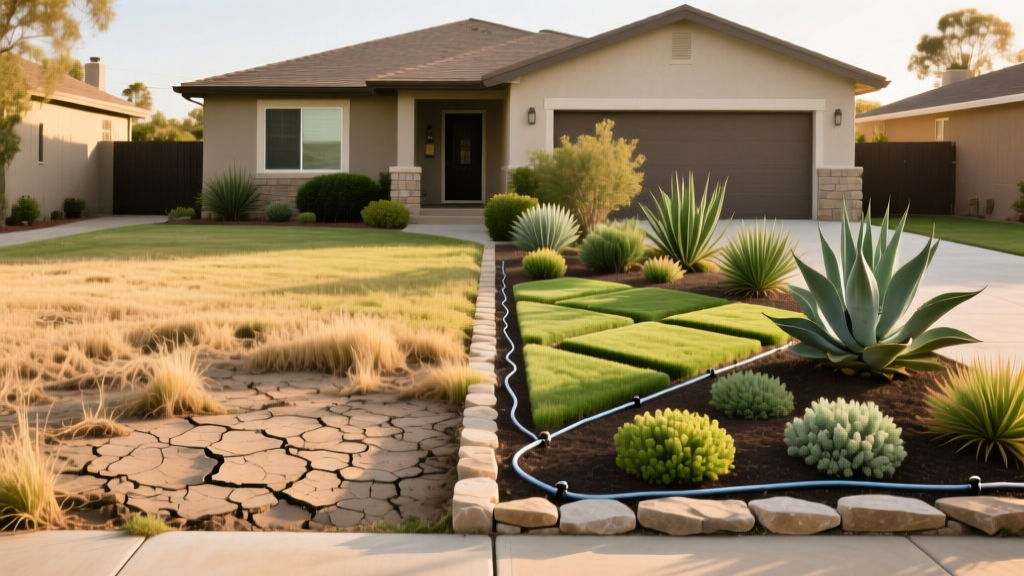
Before and After: Smart Xeriscape Front Yard Makeover
Emily WatsonPublished
From Thirsty Turf to Smart Oasis: A Front Yard Transformation
When we think of home improvement, we often picture kitchen remodels or bathroom upgrades. Yet, one of the most impactful transformations you can make lies right outside your front door. For decades, the standard suburban front yard has been dominated by water-thirsty turfgrass and inefficient, outdated sprinkler systems. But as water conservation becomes a critical priority and smart home technology evolves, homeowners are rethinking their outdoor spaces. Today, we are walking through a complete before and after transformation of a traditional front yard, converting it into a stunning, energy-efficient smart xeriscape. This project bridges the gap between beautiful outdoor living and modern smart home integration, proving that you do not have to sacrifice curb appeal to save water and reduce maintenance.
The 'Before' State: A Water-Wasting Nightmare
Before the transformation, this 1,500-square-foot front yard was a textbook example of landscaping inefficiency. The yard consisted entirely of Kentucky Bluegrass, a cool-season turf that requires immense amounts of water to stay green during the heat of summer. The irrigation system was a relic from the 1990s: a collection of mismatched pop-up spray heads that routinely misted the sidewalk, driveway, and neighbor's fence. According to the Environmental Protection Agency (EPA), outdoor water use accounts for nearly 30 percent of total household water consumption, with up to 50 percent of that water wasted due to evaporation, wind, and runoff from inefficient irrigation systems. For this specific home, the summer water bill routinely spiked above $180 per month, and the homeowner was spending up to four hours every weekend mowing, edging, and fertilizing a lawn that still looked patchy and stressed by August.
Phase One: Erasing the Lawn and Preparing the Canvas
The first step in any major landscaping transformation is demolition, but in eco-friendly landscaping, we avoid heavy machinery and chemical herbicides. Instead, we utilized a technique called sheet mulching. We mowed the existing grass as short as possible and covered the entire 1,500-square-foot area with overlapping layers of heavy-duty corrugated cardboard. This blocks sunlight, effectively smothering the grass and weeds while allowing earthworms and soil microbes to break down the organic matter beneath. Over the cardboard, we laid a three-inch layer of premium hardwood mulch. This process not only killed the water-wasting turf without toxic chemicals but also immediately improved the soil's moisture retention and structure. The visual impact was immediate: the chaotic, weedy lawn was replaced by a clean, uniform, and architecturally blank canvas ready for intentional design.
Phase Two: Upgrading to Smart Irrigation Technology
The most critical bridge between outdoor landscaping and indoor smart home ecosystems is the irrigation controller. The old mechanical timer was ripped out and replaced with a Wi-Fi-enabled smart irrigation controller, specifically the Rachio 3. This device connects directly to the home's wireless network and integrates seamlessly with platforms like Amazon Alexa, Google Home, and Apple HomeKit. According to the EPA WaterSense smart irrigation controller program, weather-based smart controllers can save the average home nearly 7,600 gallons of water annually by automatically adjusting watering schedules based on local weather forecasts, soil moisture levels, and evapotranspiration rates. We completely abandoned the old spray heads. Instead, we installed a network of 1/2-inch Netafim drip irrigation tubing snaking beneath the mulch, outfitted with adjustable 2-gallon-per-hour (GPH) drip emitters. This delivers water directly to the root zone of the plants, eliminating wind drift and evaporation entirely.
Phase Three: Curating a Drought-Tolerant, Native Plant Palette
A xeriscape is not a barren desert of rocks and cacti; it is a vibrant, living ecosystem. To ensure the 'After' state was lush and colorful, we selected a palette of native and drought-adapted perennials. We planted clusters of Agastache (Hyssop), Salvia greggii (Autumn Sage), and Muhlenbergia capillaris (Pink Muhly Grass). These plants are deeply rooted, requiring only a fraction of the water that turfgrass demands once established. Furthermore, by choosing native species, we actively supported local ecosystems. The National Wildlife Federation's Garden for Wildlife program emphasizes that native plants provide essential food and shelter for local birds, bees, and butterflies. Within weeks of planting, the front yard transformed from a sterile grass monoculture into a buzzing pollinator habitat. The Pink Muhly Grass provided stunning, cloud-like plumes in the autumn, while the Salvias offered brilliant bursts of red and purple from late spring through the first frost.
The 'After' State: Measuring the Transformation
Six months after the initial installation, the results of this before and after transformation were undeniable. The smart controller had already skipped a dozen watering cycles due to predictive rain delays, and the drip system ensured that not a single drop of water was wasted on the driveway. The homeowner reclaimed their weekends, reducing yard maintenance from four hours a week to just 30 minutes of occasional pruning and weeding. Below is a detailed comparison chart highlighting the dramatic shifts in resource consumption, financial costs, and time investment.
Before and After Transformation Metrics
| Metric | Before (Traditional Turf) | After (Smart Xeriscape) |
|---|---|---|
| Summer Water Bill (Monthly) | $185.00 | $42.00 |
| Weekly Maintenance Time | 4 Hours (Mowing/Edging) | 30 Minutes (Pruning) |
| Irrigation Efficiency | 45% (Spray Evaporation/Runoff) | 95% (Targeted Drip) |
| Fertilizer & Chemical Use | 4 Applications per Year | 0 Applications (Organic Mulch) |
| Pollinator Activity | None Observed | High (Bees, Butterflies, Birds) |
How to Plan Your Own Before and After Yard Makeover
If you are inspired to tackle your own outdoor transformation, careful planning is essential. Here is a step-by-step actionable guide to help you transition from a water-wasting yard to a smart, sustainable landscape.
- Audit Your Current Water Usage: Check your municipal water bills to establish a baseline. Identify areas where your current sprinkler system is overspraying onto hardscapes.
- Design in Hydrozones: Group plants with similar water and sunlight needs together. This allows your smart controller to run different valves for different durations, ensuring no plant is over or under-watered.
- Invest in Quality Drip Components: Do not skimp on drip irrigation. Use pressure regulators (set to 25 PSI) and flush valves at the end of every 1/2-inch drip line to prevent clogging and ensure even water distribution.
- Leverage Smart Home Ecosystems: Connect your smart irrigation controller to your local weather station or smart home hub. Set up automations so that your irrigation system pauses if your smart rain gauge detects more than a quarter-inch of precipitation.
- Apply Mulch Generously: A three-inch layer of organic mulch is non-negotiable in a xeriscape. It suppresses weeds, regulates soil temperature, and drastically reduces surface evaporation.
Conclusion: The Future of Outdoor Living
This before and after transformation proves that rethinking our outdoor spaces is one of the most rewarding home improvement projects available. By replacing thirsty turf with native plants and integrating smart home irrigation technology, you create a dynamic, living landscape that works in harmony with the local environment. You will save thousands of gallons of water, drastically reduce your utility bills, and enjoy a vibrant, ever-changing garden that supports local wildlife. The future of lawn and garden care is not about working harder to maintain an artificial carpet of grass; it is about working smarter, leveraging technology, and embracing the natural beauty of sustainable landscaping.
