Home & Garden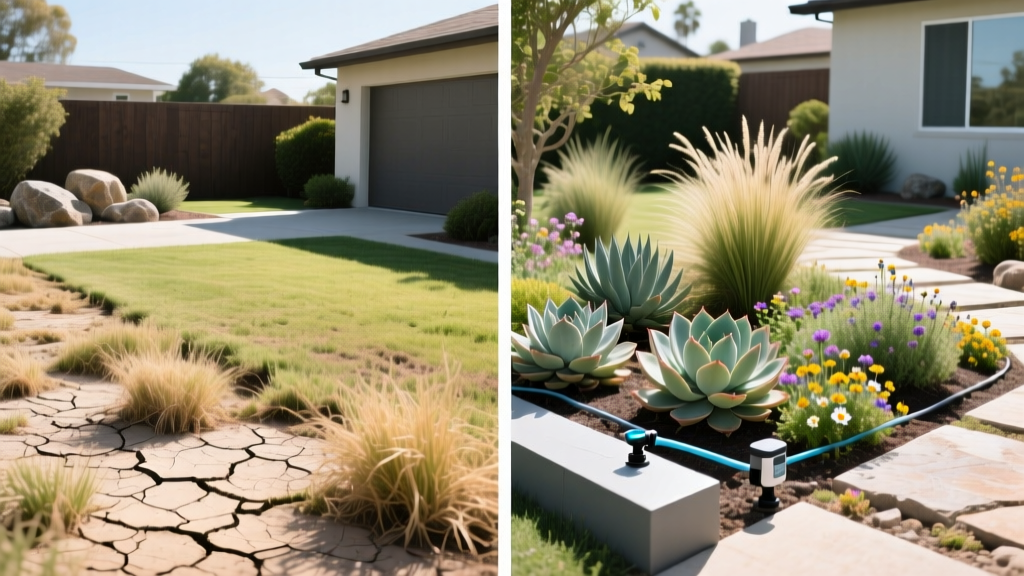
Before and After: Smart Xeriscape Lawn Transformation
Emily WatsonPublished
The "Before" State: A Thirsty, High-Maintenance Burden
For many homeowners, the traditional front yard is a source of pride but also a massive drain on resources. Take the case of a standard 1,000-square-foot Kentucky Bluegrass lawn in a drought-prone suburban neighborhood. The "before" picture of our featured transformation showcased a classic but tired landscape: patchy turf, water pooling on the driveway due to misaligned rotor sprinklers, and a soaring summer water bill. According to the EPA WaterSense program, the average American family uses 320 gallons of water per day, with nearly 30% dedicated to outdoor uses. In arid regions, that outdoor water usage can spike to 60% of the household total, much of which is lost to evaporation and runoff.
The homeowner was spending approximately $140 per month on water during peak summer, dedicating three hours every weekend to mowing, edging, and fertilizing. The soil was heavily compacted, and the shallow root system of the turf made it highly susceptible to heat stress and chinch bugs. It was time for a radical change that would bridge the gap between ecological stewardship and modern home automation.
The Vision: Hydrozoning and Smart Technology
The goal was not merely to kill the grass, but to reimagine the outdoor space as an extension of the home’s living area while drastically reducing the ecological footprint. The design philosophy centered on two core concepts: xeriscaping through hydrozoning and smart home integration. Hydrozoning involves grouping plants with similar water and sunlight requirements together, ensuring that no water is wasted on drought-tolerant species that do not need it. To seamlessly integrate the landscape with the home's indoor smart ecosystem, the irrigation system needed a complete overhaul, transitioning from a rigid, timer-based mechanical controller to a dynamic Weather-Based Irrigation Controller (WBIC).
Step 1: Eco-Friendly Turf Removal and Soil Prep
Before planting a single native shrub, the existing turf had to go. Rather than using chemical herbicides or gas-powered sod cutters that strip away valuable topsoil, we opted for sheet mulching. This permaculture technique builds soil health while smothering weeds. We began by mowing the grass as short as possible and leaving the clippings in place to add nitrogen to the soil. Next, we laid down overlapping layers of uncoated, plain brown cardboard directly over the turf, ensuring no gaps where light could penetrate. The cardboard was thoroughly soaked with a garden hose to initiate the decomposition process.
Over the cardboard, we applied a three-inch layer of coarse, aged arborist wood chips. This layer suppresses weeds, retains soil moisture, and slowly breaks down to feed the soil microbiome. We allowed this setup to cure for six weeks before planting. During this time, the earthworms and beneficial microbes worked to break down the grass roots and cardboard, transforming the compacted clay beneath into loose, friable soil ready to support deep-rooted native plants.
Step 2: Upgrading to a Smart Irrigation Ecosystem
With the soil prepped, it was time to install the new irrigation infrastructure. The old PVC pipes and spray heads were capped off, and we transitioned entirely to a low-volume drip irrigation system. Drip irrigation delivers water directly to the root zone, minimizing evaporation and wind drift. We utilized half-inch blank drip tubing snaked through the landscape beds, punching in 2-gallon-per-hour (GPH) pressure-compensating emitters precisely where each new plant would be placed.
The brain of this new system is a smart irrigation controller, which connects to the home’s Wi-Fi network. These devices automatically adjust watering schedules based on local weather forecasts, soil moisture levels, and seasonal evapotranspiration rates. The Department of Energy's guide to energy-efficient landscaping highlights that optimizing water delivery not only conserves a vital resource but also reduces the energy required to pump and treat municipal water. By integrating the controller with the home's smart hub, the homeowner can monitor water usage in real-time via a smartphone app, receive freeze-delay alerts, and shut off the system remotely if a flow meter detects a leak.
Step 3: Plant Selection and Hardscape Integration
Plant selection was guided by the Texas A&M AgriLife Extension recommendations for drought-tolerant, native, and adapted species. We divided the 1,000-square-foot yard into three distinct hydrozones. The "oasis zone" near the front porch received slightly more water and featured vibrant, pollinator-friendly perennials like Autumn Sage (Salvia greggii) and hummingbird mint (Agastache). The "transition zone" in the middle of the yard was planted with structural, low-water ornamental grasses such as Mexican Feather Grass and Deer Grass (Muhlenbergia rigens). Finally, the "desert zone" near the hot, reflective driveway featured architectural succulents like Agave parryi and Red Yucca, which require virtually no supplemental water once established.
To reduce the planted area and provide functional outdoor seating, we incorporated hardscaping. A permeable gravel patio was installed using a stabilized decomposed granite (DG) base, bordered by steel edging. The installation required excavating six inches of soil, laying a geotextile fabric to prevent weed growth, and compacting a crushed rock base before adding the DG. This allows rainwater to percolate back into the groundwater table rather than running off into the storm drain. Large, locally sourced boulders were placed strategically to create microclimates, providing shade for delicate plant roots and adding dramatic visual interest.
The "After" Reveal: Metrics and ROI
One year after the transformation, the "after" picture is nothing short of stunning. The yard has evolved from a flat, monoculture carpet of green into a dynamic, multi-textured landscape that changes with the seasons and buzzes with native bees and butterflies. But the true beauty of this transformation lies in the data.
| Metric | Before (Traditional Turf) | After (Smart Xeriscape) | Improvement |
|---|---|---|---|
| Summer Water Bill (Monthly) | $140.00 | $45.00 | 68% Reduction |
| Weekly Maintenance Time | 3.5 Hours | 0.5 Hours | 85% Reduction |
| Irrigation Efficiency | 50% (Spray Heads) | 95% (Drip + Smart) | 45% Increase |
| Chemical Fertilizer Used | 40 lbs / year | 0 lbs / year | 100% Eliminated |
Long-Term Maintenance and Seasonal Adjustments
While a xeriscape is often mistakenly labeled as "zero-scape," it does require mindful, albeit minimal, maintenance. The first year is the establishment phase, where the smart controller is programmed to water deeply but infrequently to encourage deep root growth. By year two, the watering schedule is dialed back significantly. Seasonal tasks now consist of leaving perennial seed heads intact for overwintering birds, top-dressing the beds with fresh compost every spring, and occasionally flushing the drip lines to prevent mineral buildup.
Additionally, the smart controller's seasonal adjustment feature automatically scales back watering times as daylight hours shorten in the autumn, preventing the root rot that often plagues newly established drought-tolerant plants during cool, wet winters. The homeowner also installed a simple rain sensor override, ensuring the system never runs during a natural downpour.
"The most common mistake in drought-tolerant landscaping is treating native plants like traditional turf. By leveraging smart irrigation controllers and hydrozoning, we can give plants exactly what they need, precisely when they need it, bridging the gap between ecological stewardship and modern home automation." — Landscape Design Specialist
Conclusion: A Blueprint for the Future
This before and after transformation proves that abandoning the traditional lawn does not mean sacrificing curb appeal. In fact, the rich textures, architectural hardscaping, and vibrant blooms of a smart xeriscape often elevate a home's exterior far beyond its neighbors. By combining the ecological principles of water-wise planting with the precision of smart home technology, homeowners can reclaim their weekends, slash their utility bills, and create a resilient outdoor sanctuary that thrives in harmony with the local climate.
Furthermore, many local municipalities now offer substantial rebates for turf removal and the installation of Weather-Based Irrigation Controllers, significantly offsetting the initial material and labor costs. Whether you are looking to integrate your garden with your smart home hub or simply want to stop battling patchy grass and high water bills, a thoughtfully designed xeriscape offers a beautiful, sustainable path forward.
