Home & Garden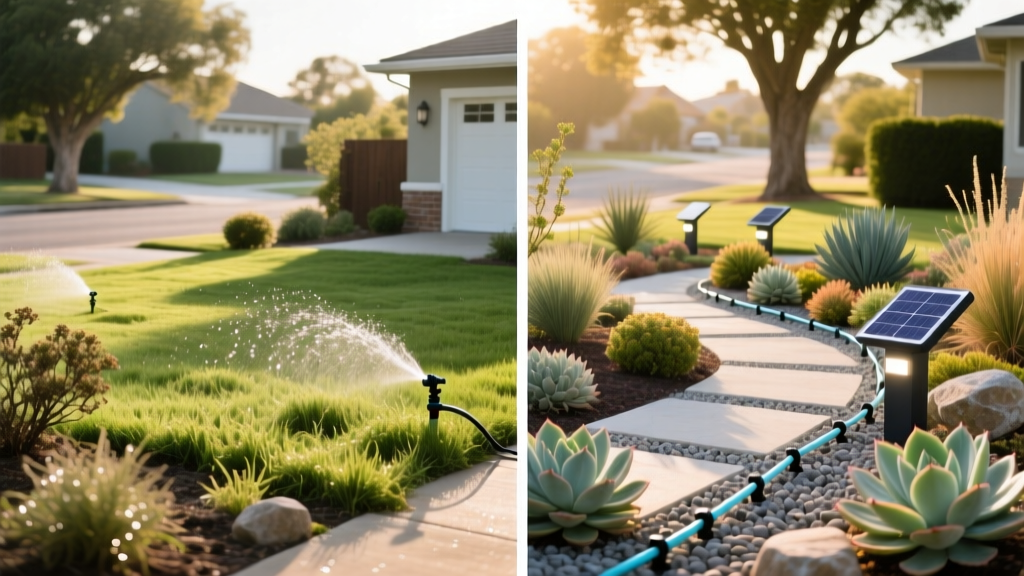
Before & After: Smart Xeriscape Front Yard Transformation
Mike RodriguezPublished
The 'Before': A Thirsty, High-Maintenance Front Lawn
When we first evaluated the 500-square-foot front yard of a mid-century suburban home, the landscape was a textbook example of outdated outdoor design. The yard consisted of patchy, weed-choked Tall Fescue grass planted over heavily compacted clay soil. An antiquated sprinkler system featuring mismatched pop-up heads and broken nozzles was spraying water indiscriminately onto the driveway, sidewalk, and side of the house. During the peak of summer, the homeowner was running the system four times a week just to keep the grass from going completely dormant, resulting in a monthly water bill that regularly exceeded $140.
This scenario is incredibly common across North America. According to the Environmental Protection Agency (EPA), landscape irrigation accounts for nearly one-third of all residential water use, totaling nearly 9 billion gallons per day nationwide. In arid and semi-arid regions, that outdoor water usage can spike to 60% of a home's total water footprint. The 'before' state of this yard was not just an eyesore; it was an environmental and financial drain. The goal was clear: bridge the gap between sustainable landscaping and modern smart-home technology to create a resilient, beautiful outdoor space.
The Blueprint: Designing the Smart Xeriscape
The vision for the 'after' state was a modern, desert-chic smart xeriscape. Xeriscaping is often misunderstood as simply replacing grass with rocks and cacti, but true xeriscaping involves thoughtful hydrozoning, soil improvement, and the integration of efficient irrigation. We wanted a landscape that offered year-round visual interest, supported local pollinators, and practically eliminated the need for manual watering adjustments.
To ensure we selected the right drought-tolerant species for the specific microclimates of the yard, we relied heavily on the Water Use Classification of Landscape Species (WUCOLS) database. This authoritative tool allowed us to identify plants that would thrive on minimal supplemental water once established, ensuring our transformation was both ecologically sound and aesthetically striking.
Step-by-Step Transformation Process
Step 1: Turf Removal and Soil Amendment
The first weekend was dedicated to eradicating the existing lawn. While sheet mulching is a great no-dig option, it takes months to break down the turf. Because we were on a tight three-weekend timeline, we rented a walk-behind sod cutter for $75 to slice the grass off at the root level. After removing the top two inches of turf and weeds, we addressed the compacted clay soil. We tilled the area to a depth of six inches and incorporated three cubic yards of premium organic compost. This crucial step improves soil drainage and provides a nutrient-rich foundation for our new drought-tolerant plants.
Step 2: Hardscaping and Permeable Pathways
To break up the visual monotony of the planting beds and provide functional access to the front porch, we designed a meandering pathway. We excavated a four-inch trench for the path, laid down a heavy-duty geotextile weed barrier, and installed steel landscape edging to maintain crisp, clean lines. The path was filled with a three-inch layer of stabilized decomposed granite (DG). Unlike concrete, DG is permeable, allowing rainwater to percolate back into the soil rather than contributing to urban runoff. The material cost for the DG and edging was approximately $280.
Step 3: Plant Selection and Installation
Using the principles of hydrozoning, we grouped plants with similar water and sunlight requirements together. For the high-heat, full-sun zones near the driveway, we planted architectural Agave 'Blue Glow' and drought-hardy Aloe striata. In the transition zones closer to the house, we utilized Salvia 'Mystic Spires' for vibrant purple blooms that attract hummingbirds, and Muhlenbergia capillaris (Pink Muhly Grass) to provide soft, feathery texture and late-season color. Each plant was placed with its mature footprint in mind, preventing overcrowding and reducing the need for heavy seasonal pruning.
Step 4: Smart Drip Irrigation Integration
The crown jewel of this transformation was the irrigation overhaul. Overhead spraying is entirely inefficient for xeriscapes. We capped the old sprinkler lines and converted the system to a sub-surface and point-source drip network using Netafim Techline CV tubing and individual pressure-compensating emitters rated at 1 Gallon Per Hour (GPH).
To automate and optimize the watering schedule, we replaced the dusty, dial-based timer in the garage with a Rachio 3 Smart Sprinkler Controller. This Weather-Based Irrigation Controller (WBIC) connects to local weather stations via Wi-Fi and automatically skips watering when rain is in the forecast or when soil moisture is sufficient. The EPA WaterSense smart irrigation program notes that upgrading to a smart controller can save the average home nearly 7,600 gallons of water annually. By pairing the Rachio 3 with precision drip emitters, we ensured that every single drop of water was delivered directly to the root zone, eliminating evaporation and wind drift.
The Data: Before & After Cost and Resource Comparison
Transforming a landscape requires an upfront investment, but the long-term dividends in water savings, time, and property value are substantial. Below is a breakdown comparing the old turf lawn to the new smart xeriscape over a projected timeline.
| Metric | Before (Turf Lawn) | After (Smart Xeriscape) |
|---|---|---|
| Initial Installation Cost | $1,200 (Sod & Basic Sprinklers) | $3,150 (Materials, Plants & Smart Tech) |
| Peak Summer Water Bill (Monthly) | $145.00 | $28.00 |
| Weekly Maintenance Time | 2.5 Hours (Mowing, Edging, Weeding) | 20 Minutes (Visual Inspection, Hand Weeding) |
| Annual Fertilizer & Chemicals | $120.00 | $0.00 |
| Estimated ROI Period | N/A | 4.2 Years (via water & maintenance savings) |
As the table illustrates, while the smart xeriscape costs roughly $1,950 more to install initially, the elimination of mowing, fertilizing, and heavy water usage allows the project to pay for itself in just over four years. Furthermore, many local water municipalities offer rebates ranging from $250 to $1,000 for turf removal and smart controller installation, which can drastically reduce the initial out-of-pocket expense and accelerate the ROI.
The 'After' Reveal: A Resilient Outdoor Oasis
Six months after installation, the 'after' state of the front yard is nothing short of spectacular. The patchy, high-maintenance grass is a distant memory, replaced by a sculptural, vibrant landscape that looks intentionally designed rather than merely planted. The decomposed granite path creates a welcoming, permeable walkway that contrasts beautifully with the dark steel edging and the silver-blue foliage of the Agave.
To bridge the outdoor aesthetic with evening functionality, we integrated smart home technology beyond just irrigation. We installed a series of low-voltage, warm-white LED path lights tied to a smart hub, which automatically adjusts their turn-on time based on the local sunset. This not only enhances the architectural features of the plants at night but also improves home security and curb appeal without adding a noticeable spike to the electricity bill.
Seasonal Maintenance for Your New Landscape
One of the greatest benefits of the 'after' state is the dramatic reduction in seasonal chores. However, a xeriscape is not a 'no-maintenance' landscape; it is a 'low-maintenance' one. To keep the transformation looking pristine, we follow a simple seasonal checklist:
- Spring: Refresh the mulch layer. We apply a two-inch layer of arborist wood chips to suppress weeds and retain soil moisture. Inspect the Rachio controller to ensure the seasonal shift settings are active.
- Summer: Walk the drip lines monthly to check for clogged emitters or rodent damage. Hand-pull any opportunistic weeds before they go to seed.
- Fall: Cut back the Pink Muhly Grass and Salvia after the first frost to encourage vigorous spring growth. Clean the smart controller's rain sensor dome of debris.
- Winter: Protect sensitive succulents from rare hard freezes using frost cloth. Review the smart controller's annual water usage reports to fine-tune zone run times for the upcoming year.
Conclusion
This before and after transformation proves that you do not have to sacrifice curb appeal to achieve an eco-friendly, energy-efficient home exterior. By ditching the thirsty turf, embracing hydrozoning, and integrating smart irrigation technology, we created a dynamic outdoor living space that respects local water resources. Whether you are looking to lower your utility bills, reclaim your weekends from the lawnmower, or simply elevate your home's exterior design, a smart xeriscape transformation is one of the most rewarding home and garden projects you can undertake.
