
Landscaping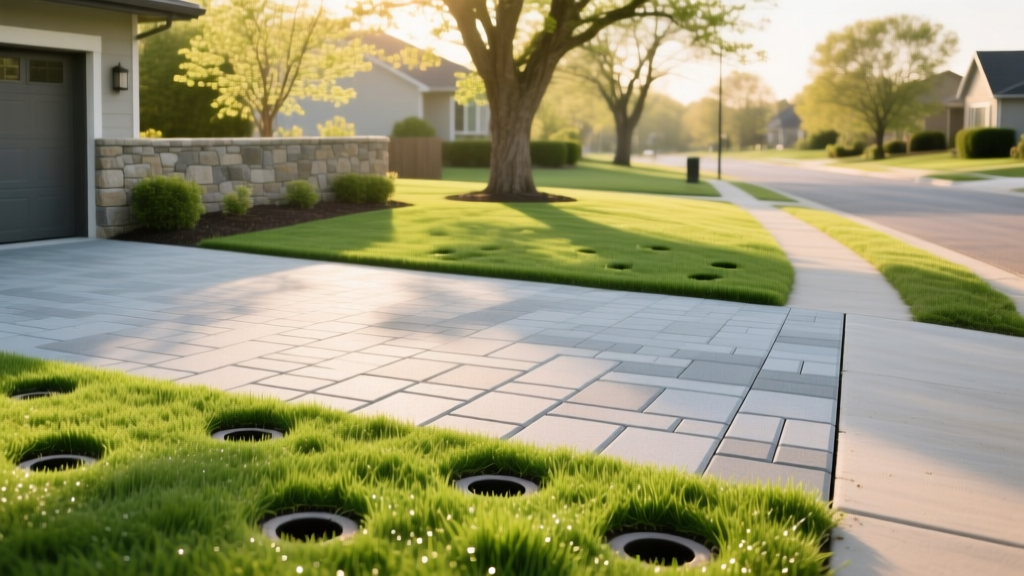
Belgard Aqua-Roc Driveways: 2026 Aeration and Seeding Guide
Mike RodriguezPublished
The Intersection of Hardscaping and Turf Health in 2026
In modern landscape architecture, the boundary between hardscapes and softscapes is no longer a rigid line; it is a dynamic hydrological transition zone. As homeowners and contractors prioritize sustainable stormwater management in 2026, the installation of permeable paver driveways has surged. However, a permeable driveway is only as effective as the surrounding soil's ability to absorb and process the dispersed water. This is where the science of lawn aeration and strategic overseeding becomes critical. By pairing the Belgard Aqua-Roc permeable paver system with targeted core aeration and advanced 2026 turfgrass seeding, you can create a unified landscape that eliminates pooling, prevents edge-restraint heaving, and cultivates a deeply rooted, drought-resistant lawn.
Understanding the Belgard Aqua-Roc Permeable System
The Belgard Aqua-Roc system represents the pinnacle of permeable interlocking concrete pavement (PICP) technology. Unlike traditional concrete or asphalt that forces stormwater into overwhelmed municipal drains, the Aqua-Roc system utilizes an open-graded aggregate base and specialized permeable jointing stones. According to the Belgard Official Permeable Pavers Guide, this design allows water to pass through the joints and temporarily store within the crushed stone reservoir base before slowly infiltrating the native subgrade.
While the driveway itself handles the immediate rainfall, the lateral movement of water into the adjacent lawn borders is a crucial secondary phase of drainage. If the soil adjacent to the driveway is heavily compacted—a common occurrence due to the heavy machinery used during hardscape installation—the water will hit an invisible underground wall. This causes water to back up against the driveway's edge restraints, leading to frost heave in colder climates, base erosion, and the drowning of adjacent turfgrass.
Why Adjacent Lawn Aeration is Non-Negotiable
Core aeration is the process of removing small plugs of soil to alleviate compaction, increase oxygen flow to the root zone, and create channels for water infiltration. When managing a permeable paver driveway, aeration must be heavily concentrated in the 'transition zone'—the 3 to 5 feet of lawn immediately bordering the hardscape.
The Mechanics of Edge Compaction
During the installation of the Belgard Aqua-Roc system, excavators, skid steers, and plate compactors frequently traverse the lawn edges. This severe compaction destroys soil structure, collapsing the macropores necessary for water movement. Even if your driveway is perfectly permeable, compacted border soil acts as a dam. By performing deep-tine core aeration along these borders, you reconnect the driveway's subsurface reservoir with the lawn's root zone, allowing lateral water dispersion.
The Environmental Protection Agency (EPA) emphasizes that the long-term success of green infrastructure and permeable pavements relies heavily on the surrounding landscape's ability to manage distributed runoff without causing soil erosion or saturation damage. Aeration ensures the soil profile remains porous enough to accept this distributed load.
2026 Seeding Strategies for Permeable Edges
Once the transition zone is properly aerated, overseeding is required to establish a robust, deep-rooted turf that acts as a biological sponge. In 2026, landscaping professionals are moving away from shallow-rooted Kentucky Bluegrass for driveway borders, opting instead for advanced Turf-Type Tall Fescue (TTTF) blends and rhizomatous fine fescues.
Top Seed Varieties for 2026 Hardscape Borders
- Endophyte-Enhanced TTTF: Modern 2026 tall fescue varieties contain beneficial endophytes that naturally deter surface-feeding insects and improve drought tolerance. Their roots can reach depths of 3 to 4 feet, creating massive macropores that dramatically increase soil infiltration rates.
- Creeping Red Fescue: Ideal for shaded driveway borders, this fine fescue requires less water and establishes a dense, wire-like root mat that holds soil in place, preventing washouts near the paver edges.
- Mycorrhizal-Inoculated Blends: Many premium 2026 seed coatings now include mycorrhizal fungi. These fungi form symbiotic relationships with grass roots, extending their reach and improving water uptake efficiency by up to 40%.
Runoff and Infiltration: Traditional vs. Integrated Systems
To understand the profound impact of combining the Belgard Aqua-Roc system with rigorous lawn aeration and seeding, consider the following hydrological comparison data based on 2026 landscape performance metrics:
| System Configuration | Edge Infiltration Rate | Average Turf Root Depth | Edge Restrain Heave Risk | Overall Runoff Risk |
|---|---|---|---|---|
| Traditional Concrete + Compacted Lawn | 0.0 in/hr | 1-2 inches | High | Severe |
| Belgard Aqua-Roc Only (No Turf Care) | 1.5 in/hr | 2-3 inches | Moderate | Moderate |
| Aqua-Roc + Core Aeration + TTTF Seeding | 4.5+ in/hr | 4-6 inches | Minimal | Negligible |
As the table illustrates, the hardscape alone cannot solve drainage issues if the adjacent biological system (the lawn) is neglected. The integration of aeration and deep-rooted seeding multiplies the infiltration rate, protecting your hardscape investment.
Step-by-Step Implementation Guide
To properly integrate your Belgard Aqua-Roc driveway with your lawn care regimen, follow this actionable timeline:
- Assess and Mark (Late Summer): Identify the 5-foot perimeter around your driveway. Mark any hidden irrigation lines or lighting wires before aerating.
- Deep-Tine Core Aeration (Early Fall): Use a stand-on or walk-behind core aerator to pull 3-inch to 4-inch plugs. Ensure the tines penetrate deeply to break through the compaction layer left by hardscape installation equipment. Leave the plugs on the lawn to break down naturally.
- Soil Amendment Application: Apply a thin layer (1/4 inch) of screened compost or a specialized bio-char topdressing over the aerated zones. This improves soil structure and provides a fertile bed for new seed.
- Overseeding (Mid-Fall): Broadcast your 2026 TTTF or fine fescue blend at a rate of 6 to 8 pounds per 1,000 square feet. Use a slit-seeder for the transition zone if the existing turf is exceptionally thin.
- Starter Fertilizer and Watering: Apply a phosphorus-rich starter fertilizer to encourage rapid root development. Keep the seedbed consistently moist for 14-21 days. Avoid heavy, pooling irrigation that could wash soil into the Aqua-Roc paver joints.
Long-Term Maintenance for Pavers and Turf
Maintaining the synergy between your permeable driveway and your lawn requires an ongoing commitment. The Belgard Aqua-Roc joints must be kept clear of organic debris and fine silt to maintain their permeability. Use a specialized permeable paver vacuum or a stiff-bristled broom annually to clean the surface.
Simultaneously, the adjacent lawn must be aerated at least once every two years, preferably in the fall, to prevent the re-establishment of compaction from foot traffic and natural soil settling. When mowing the transition zone, ensure your mower blades are set high (3.5 to 4 inches) to encourage the deep root growth necessary for maximizing water uptake. Never blow grass clippings or landscape mulch directly onto the permeable pavers, as this will clog the jointing stones and force water back into the lawn, undoing the benefits of your aeration efforts.
Conclusion
The landscaping paradigm of 2026 demands a holistic approach to property management. A Belgard Aqua-Roc permeable paver driveway is a masterpiece of engineering, but it relies on the surrounding soil to complete the water cycle. By treating the driveway borders not just as a visual frame, but as a critical hydrological component, and by utilizing aggressive core aeration and advanced seeding techniques, you safeguard your hardscape, eliminate standing water, and cultivate a vibrant, resilient lawn that thrives in harmony with your outdoor living spaces.

