
Landscaping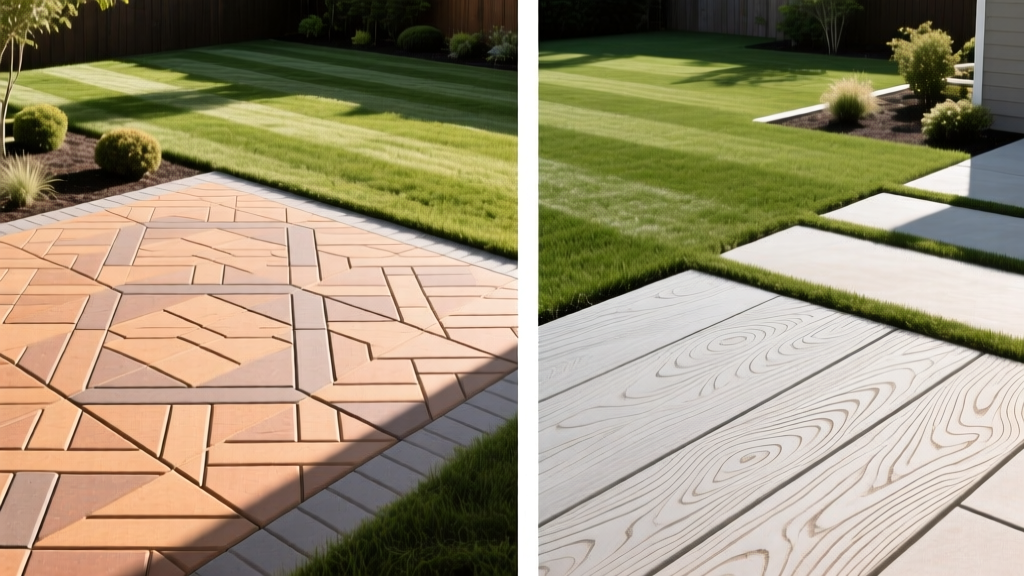
Belgard Pavers Vs Stamped Concrete: 2026 Cost & Durability
James MillerPublished
The Intersection of Hardscaping and Lawn Striping Aesthetics
In the realm of modern landscape design, the transition between your turf and your hardscape is just as critical as the materials themselves. As we navigate the landscaping trends of 2026, homeowners are increasingly focused on the visual synergy between meticulously striped lawns and patterned outdoor living spaces. When you invest time in creating high-contrast, geometric lawn stripes using a zero-turn mower and a weighted striping roller, the adjacent patio must anchor and complement that design rather than compete with it. This brings us to one of the most common debates in outdoor design: choosing between a premium Belgard paver patio and traditional stamped concrete.
Both options offer distinct aesthetic patterns that can either echo the linear precision of your lawn stripes or provide a striking, organic contrast. However, beyond the visual appeal, the decision hinges heavily on 2026 material costs, long-term durability, and structural maintenance. Whether you are extending a backyard entertainment zone or framing a pristine front-yard checkerboard stripe pattern, understanding the nuances of these two hardscaping giants is essential for a cohesive landscape.
The Visual Flow: Matching Patio Patterns to Lawn Stripes
Lawn striping relies on light reflection. By bending grass blades in opposite directions, you create alternating light and dark bands. The hardscape edge serves as the permanent frame for this living canvas. If your lawn features a strict, linear striping pattern—such as parallel lines or a classic checkerboard—a hardscape with a complementary geometric pattern will create a seamless visual flow. Conversely, if your lawn features a circular or diamond stripe pattern radiating from a central focal point, a more organic or modular hardscape pattern might be the ideal counterpart.
Belgard pavers offer modular versatility, allowing for intricate borders and field patterns that can be customized to match the exact angles of your mowing lines. Stamped concrete, on the other hand, provides a continuous, monolithic surface where patterns like Ashlar slate or seamless stone textures are imprinted directly into the slab. The choice between the two will dictate how the eye travels from the turf edge to the outdoor seating area, making the pattern selection a cornerstone of your overall aesthetic strategy.
Belgard Paver Patios: 2026 Cost, Durability, and Design
Belgard has long been an industry leader in architectural pavers, and their 2026 lineup continues to push the boundaries of texture and color fidelity. When integrating a Belgard patio with a striped lawn, the crisp, defined edges of pavers like the Urbana collection or the Mega-Arbel modular stones provide a sharp, clean boundary that highlights the terminal stripe of your turf.
2026 Cost Breakdown
The cost of installing a Belgard paver patio in 2026 reflects stabilized supply chains but accounts for premium manufacturing and specialized labor. On average, homeowners can expect to pay between $32 and $55 per square foot for a fully installed, professional-grade Belgard patio. This price includes excavation, a 6-inch to 8-inch compacted aggregate base, geogrid reinforcement, 1-inch of bedding sand, the pavers themselves, and polymeric jointing sand. While the upfront investment is higher, the modular nature of the product adds significant long-term value.
Durability and Structural Integrity
Belgard pavers are manufactured to withstand extreme weather fluctuations. With a compressive strength typically exceeding 8,000 PSI and a water absorption rate of less than 5%, they are highly resistant to freeze-thaw cycles. Because the patio is a flexible system built on an aggregate base, it moves slightly with the earth. This means that if ground settling occurs, the pavers will not crack; instead, they can be easily lifted, the base re-leveled, and the pavers replaced. For environmentally conscious landscapes, Belgard's permeable paver systems are highly recommended. According to the EPA Green Infrastructure guidelines, permeable pavements significantly reduce stormwater runoff, protecting the adjacent lawn from soil erosion and waterlogging that can ruin delicate striping patterns.
Pattern Versatility
- Herringbone: Ideal for complementing diagonal lawn stripes, providing a dynamic, interlocking visual that draws the eye outward.
- Running Bond: Perfect for parallel lawn stripes, reinforcing linear sightlines and creating a modern, structured aesthetic.
- Modular/Cobble: Best paired with circular or diamond lawn patterns, softening the transition between turf and hardscape.
Stamped Concrete: 2026 Cost, Durability, and Aesthetics
Stamped concrete remains a popular choice for homeowners seeking the look of natural stone or brick without the individual unit placement. In 2026, advanced stamping mats and secondary color release agents have made these surfaces look more realistic than ever. However, the monolithic nature of concrete presents unique challenges when paired with the living, shifting environment of a heavily striped lawn.
2026 Cost Breakdown
Stamped concrete is generally more budget-friendly upfront. In 2026, the average installed cost ranges from $16 to $28 per square foot. This includes forming, pouring a 4-inch to 5-inch slab of 4,000 PSI concrete with fiber mesh or rebar reinforcement, stamping the pattern, and applying a curing and sealing compound. The lower labor intensity compared to laying individual pavers makes it an attractive option for large, sprawling patios that border extensive lawn areas.
Durability and the Cracking Conundrum
While concrete is incredibly strong in compression, it is inherently brittle. The American Concrete Institute notes that all concrete will eventually crack due to shrinkage, thermal expansion, and ground movement. To mitigate this, contractors cut control joints into the slab. However, these joints can disrupt the visual flow of your stamped pattern and clash with the precise, clean lines of a striped lawn. Furthermore, if a section of stamped concrete cracks or spalls due to de-icing salts or heavy impact, repairing it seamlessly is nearly impossible. The patched area will stand out, detracting from the manicured aesthetic of the surrounding landscape.
Stamped Patterns and Stripe Alignment
When aligning stamped concrete with lawn stripes, the scale of the stamp is crucial. Large-format stamps, such as Ashlar Slate, offer broad, sweeping textures that do not compete with fine turf stripes. Conversely, highly detailed patterns like small cobblestone or tight brick weaves can create visual noise, making the transition from the lawn to the patio feel chaotic rather than cohesive. Additionally, the sealed surface of stamped concrete can become highly slippery when wet, which is a consideration if your lawn striping regimen involves frequent, early-morning irrigation.
Head-to-Head Comparison: Belgard vs. Stamped Concrete
| Feature | Belgard Paver Patio | Stamped Concrete |
|---|---|---|
| 2026 Installed Cost | $32 - $55 per sq. ft. | $16 - $28 per sq. ft. |
| Lifespan | 50+ years (surface) | 25 - 30 years |
| Crack Resistance | Excellent (Flexible base) | Poor (Prone to cracking) |
| Repairability | High (Replace individual units) | Low (Visible patches) |
| Pattern Synergy | Highly customizable borders | Monolithic, continuous texture |
| Maintenance | Weed control, re-sanding joints | Resealing every 2-3 years |
| Winter Durability | High (Salt resistant) | Moderate (Spalling risk from salts) |
Long-Term Maintenance and Climate Considerations
Maintaining the pristine edge where your striped lawn meets the hardscape requires ongoing effort, and the material you choose will dictate your weekend chores. For Belgard pavers, the primary maintenance involves managing the joints. Over time, polymeric sand can erode, and organic matter may settle, leading to weed growth. In 2026, advanced bio-based jointing compounds and specialized vibratory plate compactors make re-sanding a manageable DIY task, ensuring the patio maintains its rigid, interlocking structure.
Stamped concrete requires a different maintenance regimen. The acrylic or polyurethane sealers that give the concrete its rich color and UV protection degrade under sunlight. Homeowners must plan to clean and reseal the patio every two to three years to prevent the surface from becoming chalky or faded. If you use harsh chemical fertilizers or herbicides to maintain the deep green contrast required for dramatic lawn striping, you must be cautious of overspray, as certain chemicals can degrade concrete sealers and stain the porous surface of the stamp.
Climate also plays a pivotal role. In regions with severe freeze-thaw cycles, Belgard pavers are the undisputed champion of durability. The flexible base absorbs the heaving of the earth, whereas stamped concrete is prone to frost heave and subsequent cracking if the sub-base was not properly prepared with adequate drainage and gravel depth.
Final Verdict for Your 2026 Landscape Design
Choosing between a Belgard paver patio and stamped concrete ultimately depends on your budget, your local climate, and how you envision the interplay between your hardscape and your lawn's aesthetic patterns. If your priority is a lifelong, repairable surface that offers crisp, customizable borders to frame your meticulously striped turf, the higher initial investment in Belgard pavers is unequivocally worth it. The ability to integrate permeable options also aligns perfectly with modern, sustainable landscaping practices.
However, if you are working with a stricter budget and prefer a seamless, sprawling surface with a natural stone texture that complements broader, more organic lawn patterns, stamped concrete remains a viable and beautiful option—provided you are committed to the necessary sealing and maintenance routines. By carefully selecting the pattern scale and edge detailing, either material can serve as the perfect architectural foundation for your 2026 outdoor living space, elevating the visual impact of your entire landscape.

