
Landscaping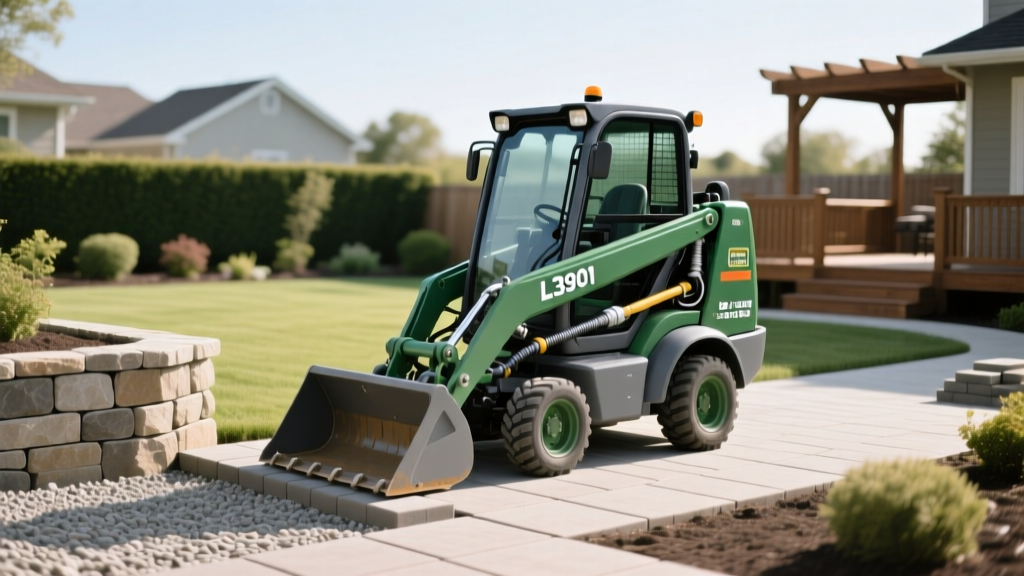
Choosing the Right Compact Utility Loader for Hardscaping
Mike RodriguezPublished
Introduction to Compact Utility Loaders in Landscaping
When tackling major backyard transformations, the physical toll of moving tons of gravel, sand, and pavers can quickly derail a project. For modern landscapers and serious DIYers, the compact utility loader (CUL)—often referred to as a mini skid steer—has become the ultimate hardscaping game-changer. Unlike traditional wheelbarrows or even full-sized skid steers, CULs are specifically engineered to navigate tight residential backyards, pass through standard garden gates, and lift heavy pallets of retaining wall blocks with precision. Whether you are installing a sprawling Belgard paver patio, building an Allan Block retaining wall, or regrading a sloped backyard for better drainage, selecting the right equipment is critical to your success and profitability.
The Hardscaping Game Changer: Why Size and Power Matter
The primary advantage of a compact utility loader in residential landscaping is its unique combination of a narrow footprint and high hydraulic power. A standard full-sized skid steer requires wide access points and can easily destroy existing turf, irrigation lines, and delicate garden beds due to its immense weight and turning radius. CULs, on the other hand, are designed to minimize ground disturbance while maximizing lifting capacity. They allow a single operator to move a 2,000-pound pallet of base rock from the driveway to the backyard in minutes, saving hours of grueling manual labor and reducing the risk of severe back injuries.
Crucial Specifications: Width, Capacity, and Footprint
Before renting or purchasing a CUL, you must evaluate three core specifications to ensure the machine fits your typical job sites.
1. Machine Width and Gate Clearance
The standard width of a residential backyard gate is 36 inches. Therefore, the most critical measurement for any hardscaping CUL is its narrowest footprint. You must look for machines that measure 35 inches or less in width to ensure they can pass through gates without requiring you to remove fence panels. Some advanced models feature retractable undercarriages that expand for stability during heavy lifting and retract for tight passage.
2. Rated Operating Capacity (ROC)
ROC dictates how much weight the machine can safely lift and carry. For standard patio builds involving crushed stone base (like CR-6 or 3/4-inch gravel) and concrete pavers, an ROC of 700 to 1,000 pounds is generally sufficient. If you frequently move large natural stone boulders or massive slabs for outdoor kitchens, you will need a machine with an ROC exceeding 1,000 pounds.
3. Hydraulic Flow Rates
Hydraulic flow, measured in gallons per minute (GPM), determines which attachments you can run. Standard flow (11 to 15 GPM) is perfect for pallet forks, basic augers, and grapple buckets. However, if your hardscaping projects require high-torque attachments like hydraulic breakers, cold planers, or heavy-duty trenchers for French drains, you must invest in a high-flow CUL (20 to 30 GPM).
Tracks vs. Wheels: Navigating Terrain
Choosing between rubber tracks and pneumatic wheels depends entirely on your typical terrain. Rubber tracks distribute the machine's weight over a larger surface area, resulting in significantly lower ground pressure (PSI). This is essential for driving over existing lawns without causing deep ruts or severe soil compaction, which can suffocate turfgrass roots. Wheels, conversely, offer higher travel speeds and are more durable on abrasive surfaces like concrete driveways and gravel roads, but they will easily tear up soft, wet soil.
Equipment Comparison Chart: Top CUL Models
Below is a comparison of three industry-leading compact utility loaders frequently used by landscape contractors for hardscaping and outdoor living space construction.
| Brand / Model | Power Source | ROC (lbs) | Width (in) | Est. Daily Rental |
|---|---|---|---|---|
| Toro Dingo TX 1000 | Gasoline | 1,000 | 35.9 (Narrow) | $250 - $350 |
| Boxer 700HDX | Diesel | 700 | 35.0 | $220 - $300 |
| Mantis CUL | Battery / Electric | 800 | 34.0 | $280 - $380 |
Note: Rental prices vary significantly by region and season. Always call local equipment rental yards to verify availability and gate-clearance specs.
Essential Attachments for Patio and Wall Builds
A CUL is only as versatile as its attachments. For hardscaping, the following implements are considered mandatory for maximizing efficiency:
- Pallet Forks: The workhorse of hardscaping. Used to transport strapped pallets of pavers, wall blocks, and bags of polymeric sand directly to the installation zone.
- Hydraulic Auger: Essential for drilling precise post holes for pergolas, fence posts, or the deadman anchors required in tall timber retaining walls.
- Power Rake (Harley Rake): Invaluable for final grading. It pulverizes soil clods, removes debris, and creates a perfectly level sub-base before laying down geotextile fabric and base gravel.
- Trencher: Necessary for installing perimeter French drains, underground irrigation lines, and low-voltage landscape lighting conduits beneath new hardscapes.
The Power Shift: Gas, Diesel, and Battery
The landscaping industry is currently undergoing a massive power transition. Historically, diesel CULs were the standard due to their high torque and longevity. However, the National Association of Landscape Professionals (NALP) has noted a significant shift toward battery-powered equipment as municipalities enact stricter noise ordinances and emissions regulations. Electric CULs, like those produced by Mantis, offer zero emissions, drastically reduced noise (allowing work in noise-sensitive HOAs or near hospitals), and lower daily maintenance. While the upfront cost of battery systems and chargers is high, the elimination of fuel costs and engine maintenance makes them increasingly attractive for forward-thinking landscape design-build firms.
Renting vs. Buying: The Economics
Deciding whether to rent or buy depends on your project volume. Renting a CUL typically costs between $250 and $400 per day, plus attachment fees and delivery charges. If you are a homeowner tackling a single weekend patio build, renting is the only logical choice. However, if you are a landscape contractor completing two or more hardscaping projects per month, purchasing a machine (which ranges from $25,000 to $45,000 new) will yield a return on investment within the first season. When buying, factor in the long-term costs of replacing rubber tracks, which can cost upwards of $1,500 per set, and routine hydraulic fluid changes.
Safety Protocols and Site Preparation
Operating heavy machinery in confined residential spaces carries inherent risks. Adhering to safety standards is non-negotiable. The Occupational Safety and Health Administration (OSHA) mandates strict protocols regarding the use of seatbelts, rollover protective structures (ROPS), and adherence to load limits to prevent tip-overs on sloped terrain. Always keep the load low to the ground while traveling, and never exceed the manufacturer's rated slope limits.
Furthermore, before breaking ground or using an auger or trencher attachment, it is a legal requirement to contact your local utility marking service. According to the Call 811 national safe digging initiative, striking an underground gas or fiber-optic line can result in catastrophic injuries, massive fines, and project shutdowns. Always call 811 at least a few business days before your hardscaping project begins to ensure all underground utilities are clearly marked with paint and flags.
Conclusion
Investing time in selecting the right compact utility loader will fundamentally transform your landscaping business or DIY experience. By prioritizing gate clearance, matching hydraulic flow to your attachment needs, and strictly adhering to safety and utility guidelines, you can execute complex hardscaping projects with unprecedented speed, precision, and profitability.

