Lawn Care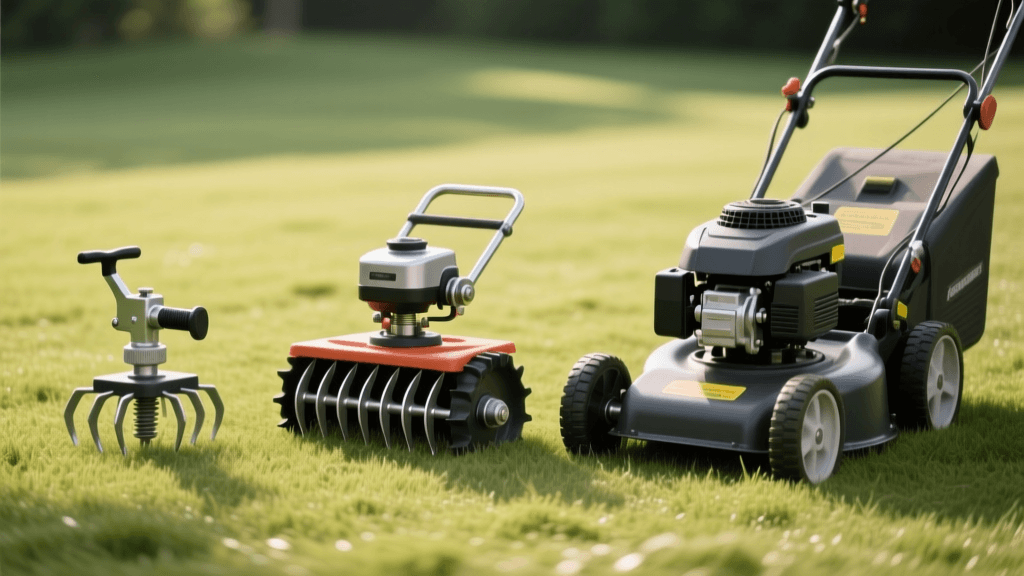
Best Core Aerators: Manual, Tow-Behind, Walk-Behind
Introduction to Core Aeration and Why Equipment Matters
A lush, resilient lawn requires more than just regular mowing and watering; it demands a robust root system that can access oxygen, water, and nutrients. Over time, foot traffic, heavy equipment, and natural settling cause soil compaction, while organic debris builds up into a suffocating thatch layer. Core aeration is the mechanical process of alleviating these issues by physically removing small plugs of soil and thatch from the lawn. However, the success of this vital lawn care practice hinges entirely on using the right equipment. Choosing the wrong aerator can lead to shallow penetration, wasted effort, or even further soil compaction.
According to turfgrass experts at Penn State Extension, core aeration is one of the most beneficial cultural practices you can perform on a cool-season or warm-season lawn, provided it is done with equipment capable of extracting actual soil cores rather than merely poking holes. In this comprehensive tools and equipment guide, we will break down the three primary categories of lawn aerators—manual, tow-behind, and walk-behind—helping you decide which machine is best suited for your specific yard size, soil type, and budget.
Understanding the Three Main Types of Core Aerators
When shopping for aerating equipment or visiting a local rental center, you will generally encounter three distinct designs. Each serves a different scale of lawn care and requires varying levels of physical exertion and financial investment.
1. Manual Core Aerators (Step Aerators and Spiked Shoes)
Manual aerators are human-powered tools designed for small lawns, localized compaction issues, or tight spaces where motorized equipment cannot reach. The most effective manual tool is the step coring aerator (such as the popular Yard Butler Lawn Coring Aerator). This tool features a long T-handle and a foot bar. You step on the bar to drive the hollow tines into the soil, then pull up to extract the plugs. Ejector buttons or natural gravity push the soil cores out of the tines.
Pros: Highly affordable (typically $30 to $60), lightweight, easy to store, and provides excellent depth control for targeted problem areas like high-traffic pathways.
Cons: Extremely labor-intensive and slow. Aerating an entire 5,000-square-foot lawn with a manual step aerator can take an entire weekend and cause severe back and leg fatigue. Furthermore, manual tools struggle to penetrate hard, dry clay soils without extensive pre-watering.
A Note on Aerating Sandals: You will often see 'lawn aerating sandals' (shoes with spikes on the bottom) marketed as aeration tools. Turfgrass scientists warn against these. They use solid spikes that merely poke holes, which can actually increase compaction along the sides of the hole. They do not remove soil cores, meaning they fail to relieve compaction or manage thatch effectively.
2. Tow-Behind Core Aerators
Tow-behind aerators are passive implements designed to be hitched to a riding lawn mower, garden tractor, or ATV. Brands like Agri-Fab and Brinly-Hardy dominate this market. These units consist of a heavy steel frame, a weight tray, and a rotating drum or axle equipped with hollow coring tines. As the tractor pulls the unit forward, the tines scoop into the earth.
Pros: Ideal for large, expansive properties (1/2 acre to several acres). They cover ground quickly and save the user from walking. Purchasing one is cost-effective if you need to aerate annually and have the storage space.
Cons: They require a powerful towing vehicle. The weight tray must be loaded with concrete blocks or sandbags (often 150+ lbs) to force the tines into the ground, making the unit incredibly difficult to move manually into the yard. Additionally, turning corners with a tow-behind aerator can tear the turf if the tines do not lift completely out of the ground during the turn.
3. Walk-Behind Core Aerators
Walk-behind aerators are the gold standard for professional landscapers and serious DIY homeowners. These are motorized, self-propelled machines (commonly rented from Home Depot, Lowe's, or Sunbelt Rentals under brands like Billy Goat or Classen). They feature heavy steel decks, powerful Honda or Briggs & Stratton engines, and a camshaft or crankshaft mechanism that drives the hollow tines vertically into the soil and pulls them straight back out.
Pros: Unmatched performance. The vertical tine action prevents turf tearing, and the sheer weight of the machine (often 200 to 350 lbs) ensures deep, consistent core extraction even in heavy clay soils. They are highly maneuverable around flower beds and trees.
Cons: High rental costs (typically $75 to $120 per day) and the physical challenge of transporting a 300-pound machine in a pickup truck or trailer. Operating them requires some upper body strength to steer and lift the handles over obstacles.
Comparison Chart: Which Aerator is Right for You?
Use the table below to quickly identify the best equipment category based on your lawn's specific characteristics.
| Feature | Manual Step Aerator | Tow-Behind Aerator | Walk-Behind Aerator |
|---|---|---|---|
| Best Yard Size | Under 1,500 sq ft | 10,000+ sq ft (1/4 acre+) | 2,000 - 15,000 sq ft |
| Cost / Rental | $30 - $70 (Buy) | $150 - $300 (Buy) | $75 - $120 / day (Rent) |
| Physical Effort | Very High | Low (Requires Tractor) | Moderate (Steering/Lifting) |
| Soil Penetration | 2 to 3 inches | 2 to 4 inches (Weight Dependent) | 3 to 5 inches (Consistent) |
| Turf Tearing Risk | Low | High (During Turns) | Very Low (Vertical Action) |
Solid Tines vs. Hollow Tines: A Critical Distinction
When evaluating equipment, you must verify the type of tines installed on the machine. Hollow tines (also called coring tines) are open cylinders that physically remove a plug of soil, typically 0.5 to 0.75 inches in diameter and 2 to 4 inches deep. This removal creates physical space in the soil profile, allowing surrounding compacted soil to expand and fracture.
Conversely, solid tines or spike tines merely punch a hole into the ground. While this might look like aeration on the surface, the solid metal displaces soil laterally, which can actually increase compaction along the walls of the hole. For true relief of soil compaction and thatch management, always select equipment equipped with hollow coring tines. The NC State TurfFiles database consistently recommends hollow-tine core aeration for managing heavily trafficked turfgrass areas, noting that solid spike aeration provides only temporary and superficial benefits.
Key Features to Look for When Buying or Renting
If you are deciding between specific models at a hardware store or rental desk, keep these critical equipment features in mind:
- Weight Capacity and Trays: For tow-behind models, ensure the weight tray is large enough to hold at least 150 lbs of sand or concrete blocks. Without adequate weight, the tines will simply scratch the surface of dry soil.
- Self-Propelled Drive (Walk-Behinds): Never rent a manual-push walk-behind aerator. The machine must have a drive belt or gear system that pulls it forward while the tines engage. Pushing a 300-lb machine that is actively biting into the earth is nearly impossible for the average homeowner.
- Easy-Core Ejection: Look for tines with internal spoons or beveled edges designed to push the soil plug out of the tine automatically as the machine rotates. Clogged tines render the machine useless until manually cleaned out with a wire.
- Transport Wheels: Good walk-behind aerators feature a transport lever that lifts the coring drum off the ground, allowing you to roll the machine across driveways and sidewalks without damaging the concrete or the tines.
Expert Preparation and Execution Tips
Having the right tool is only half the battle; proper preparation ensures the equipment performs optimally and your lawn recovers quickly.
1. Hydrate the Soil Properly
Aeration equipment cannot penetrate bone-dry, compacted clay. Water your lawn deeply 24 to 48 hours before aerating. The soil should be moist but not saturated. If the soil is too wet, the hollow tines will become clogged with mud, and the heavy machinery will rut the lawn. If it is too dry, the tines will bend or fail to penetrate. Proper watering not only helps the tools function but also aligns with water conservation best practices promoted by the EPA WaterSense program, as aerated soil absorbs water more efficiently, reducing future runoff.
2. Mark Hidden Hazards
Before you start your machine, walk the yard and mark all shallow irrigation heads, valve boxes, and invisible dog fence lines with bright landscaping flags or spray paint. A walk-behind aerator's tines can easily crush plastic sprinkler heads or sever shallow wiring if they are not clearly identified and avoided.
3. The Double-Pass Technique
For the best results, make two passes over your lawn. The first pass should be in one direction (e.g., north to south), and the second pass should be perpendicular to the first (e.g., east to west). This cross-hatching pattern ensures maximum soil fracture and optimal spacing of the aeration holes, ideally leaving plugs spaced about 2 to 3 inches apart.
4. Leave the Plugs on the Lawn
Do not rake up the extracted soil cores. Allow them to dry on the surface and break down naturally over the next few weeks. As they dissolve, the beneficial soil microbes contained within the plugs will help break down the surrounding thatch layer, effectively returning topsoil to the surface of the lawn.
Conclusion
Selecting the correct core aeration equipment is a strategic decision that depends heavily on your property's size, your physical capabilities, and your soil conditions. While manual step aerators are perfect for small urban patches and tow-behind units serve sprawling rural estates, the motorized walk-behind aerator remains the undisputed champion for achieving professional-grade, deep-soil fracture for the average suburban lawn. By investing in or renting the right hollow-tine machine and preparing your soil correctly, you will unlock the full potential of your turf, paving the way for a thicker, greener, and more drought-resistant lawn for years to come.