Home & Garden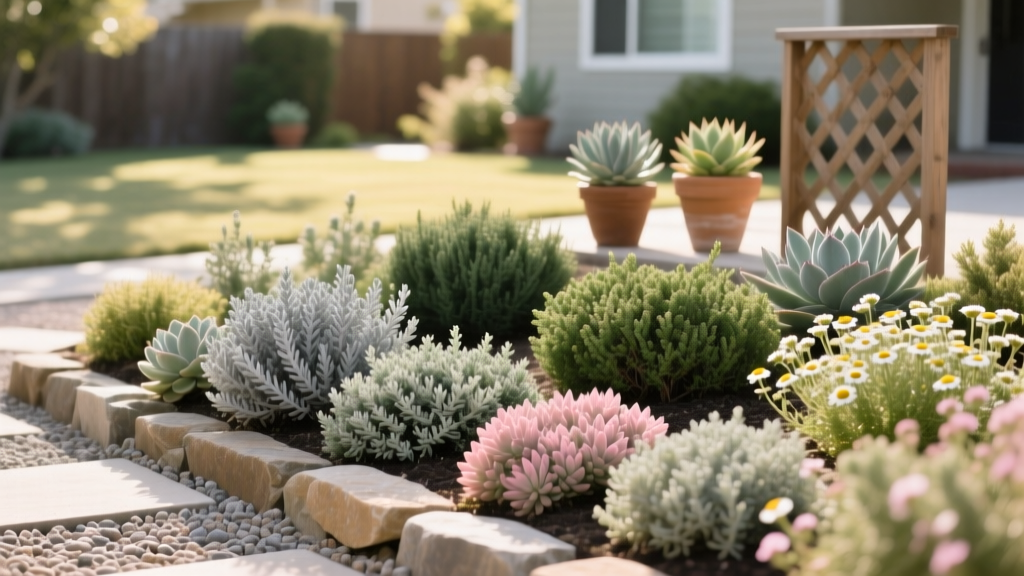
Best Drought-Tolerant Groundcovers to Replace Your Lawn
Lisa ThompsonPublished
Why Replace Traditional Turfgrass?
Traditional turfgrass lawns, particularly Kentucky Bluegrass and Bermudagrass, demand immense amounts of water, synthetic fertilizers, and weekly mowing. For homeowners looking to bridge the gap between beautiful outdoor living spaces and energy-efficient landscaping, replacing high-maintenance turf with drought-tolerant groundcovers is a transformative step. Not only do these species dramatically reduce outdoor water consumption, but they also eliminate the need for gas-powered mowers, reducing your carbon footprint and weekend chore list.
According to data referenced by the Water Use Classification of Landscape Species (WUCOLS) database, many traditional turfgrasses require 30 to 50 inches of supplemental water annually depending on the climate zone. By transitioning to low-water groundcovers, you can reduce landscape water usage by up to 70% while introducing diverse textures, pollinator-friendly blooms, and aromatic foliage to your garden-to-table ecosystem.
Top Drought-Tolerant Groundcover Species
Selecting the right species depends heavily on your USDA Hardiness Zone, soil type, and how you intend to use the space. Below are four exceptional groundcover varieties that thrive in low-water conditions.
1. Creeping Thyme (Thymus serpyllum)
Creeping thyme is a versatile, aromatic perennial that forms a dense, low-growing mat. It is highly prized for its ability to withstand light foot traffic, making it an excellent choice for pathways, patio borders, and stepping stone gaps. In late spring and early summer, it produces a carpet of tiny pink, purple, or white flowers that attract essential pollinators to your vegetable garden.
- Mature Height: 2 to 4 inches
- Spread: 12 to 18 inches
- Planting Spacing: 12 inches on center
- Estimated Cost: $45 to $65 per flat of 72 plugs
2. Stonecrop (Sedum spurium 'Dragon's Blood')
For areas with poor, rocky soil where nothing else seems to grow, Sedum spurium is a resilient succulent option. The 'Dragon's Blood' cultivar features striking burgundy-red foliage that deepens in color during the cooler months. Because its leaves are fleshy and retain water, it requires almost zero supplemental irrigation once established. However, it cannot tolerate heavy foot traffic.
- Mature Height: 4 to 6 inches
- Spread: 18 to 24 inches
- Planting Spacing: 18 inches on center
- Estimated Cost: $5 to $8 per 1-gallon nursery pot
3. Kurapia (Phyla nodiflora / Lippia nodiflora)
Kurapia is a sterile, non-invasive cultivar of Lippia nodiflora developed specifically as a lawn alternative. It boasts deep roots that can reach up to three feet into the soil, allowing it to survive extreme droughts. It handles moderate to heavy foot traffic and can even be mowed occasionally if a flatter appearance is desired. The NC State Extension Plant Database highlights Phyla nodiflora for its rapid establishment and high heat tolerance.
- Mature Height: 3 to 6 inches
- Spread: 36+ inches per plug
- Planting Spacing: 15 inches on center
- Estimated Cost: $90 to $130 per flat of 72 plugs
4. Creeping Rosemary (Salvia rosmarinus 'Prostratus')
While not a traditional "lawn replacement" for walking on, creeping rosemary is the ultimate groundcover for slopes, retaining walls, and low-traffic backyard perimeters. It cascades beautifully over hardscaping, suppresses weeds effectively, and provides fresh culinary herbs for your garden-to-table cooking. It thrives in full sun and requires excellent drainage.
- Mature Height: 12 to 18 inches
- Spread: 4 to 8 feet
- Planting Spacing: 36 to 48 inches on center
- Estimated Cost: $8 to $12 per 1-gallon nursery pot
Species Comparison Chart
Use the following table to compare the practical characteristics of these groundcovers before making a purchasing decision.
| Species | Botanical Name | Mature Height | Foot Traffic | Water Needs |
|---|---|---|---|---|
| Creeping Thyme | Thymus serpyllum | 2-4 inches | Light to Moderate | Low |
| Stonecrop | Sedum spurium | 4-6 inches | None to Very Light | Very Low |
| Kurapia | Phyla nodiflora | 3-6 inches | Moderate to Heavy | Low |
| Creeping Rosemary | Salvia rosmarinus 'Prostratus' | 12-18 inches | None | Very Low |
Tip: Always verify regional hardiness and specific cultivar traits using the Missouri Botanical Garden Plant Finder to ensure compatibility with your local microclimate.
Site Preparation: The Sheet Mulching Method
Proper site preparation is the single most important factor in the success of your new groundcover. Simply tilling under an existing lawn often brings dormant weed seeds to the surface, creating a maintenance nightmare. Instead, utilize the sheet mulching method to smother existing turf while building soil health.
- Mow Low: Scalp the existing grass as short as your mower allows.
- Apply Cardboard: Lay down overlapping sheets of plain, uncoated corrugated cardboard. Remove all plastic tape and staples. Overlap edges by at least 6 inches to prevent weeds from finding a gap.
- Water Thoroughly: Wet the cardboard completely so it conforms to the soil profile and begins the decomposition process.
- Add Compost and Mulch: Apply a 2-inch layer of organic compost, followed by a 2-inch layer of arborist wood chips. For groundcovers like Thyme and Sedum that prefer leaner soil, you can reduce the compost layer or substitute with a gritty sand mix to improve drainage.
Planting Guidelines and Timing
Timing your planting correctly reduces the need for supplemental watering and minimizes transplant shock. The ideal window for planting drought-tolerant groundcovers is early fall or mid-spring. Fall planting is generally superior because the soil is still warm from summer, encouraging rapid root growth, while the cooler air temperatures reduce evaporation and plant stress.
When planting plugs or small pots, use a bulb auger attached to a cordless drill to quickly excavate holes. Space your plants according to the species guidelines above. After placing the plugs, backfill with native soil and water deeply to eliminate air pockets. Apply a thin layer of fine mulch (like decomposed granite for succulents or shredded bark for thyme) between the plants to retain moisture while the canopy fills in.
Smart Irrigation and Long-Term Maintenance
While these species are drought-tolerant, they require consistent moisture during their first 8 to 12 weeks of establishment. To manage this efficiently, integrate a smart home irrigation system. Wi-Fi-enabled controllers, such as the Rachio 3 or Hunter Hydrawise, connect to local weather stations and automatically skip watering cycles when rain is in the forecast.
Instead of traditional spray heads, which lose massive amounts of water to wind drift and evaporation, install inline drip tubing or micro-sprayers. Drip lines deliver water directly to the root zone. Once the groundcover has fully knitted together (usually by the second growing season), you can taper off irrigation to just a few deep soaks per month during peak summer heat.
Maintenance is minimal but necessary. Edge your garden beds twice a year with a steel half-moon edger to keep aggressive species like Kurapia from creeping into adjacent hardscapes or flower beds. In early spring, a light application of organic granular fertilizer (such as a 4-4-4 all-purpose blend) will support vigorous growth and abundant blooming without promoting the weak, leggy growth associated with synthetic high-nitrogen fertilizers.
