Tree Care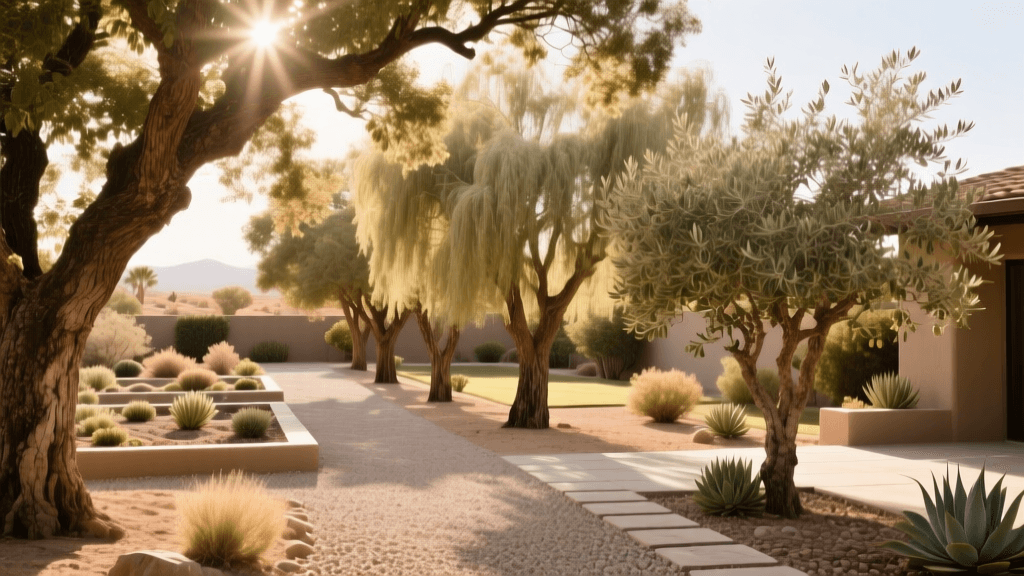
Selecting Drought-Tolerant Shade Trees for Hot Zones
Why Choose Drought-Tolerant Shade Trees?
As summer temperatures continue to break records and water restrictions become more common in many municipalities, selecting the right tree species for your landscape is more critical than ever. Planting a shade tree is a long-term investment that can reduce your home's cooling costs by up to 25 percent, but only if the tree survives the brutal heat of July and August. Drought-tolerant shade trees possess deep taproots, specialized leaf structures, or inherent genetic adaptations that allow them to thrive with minimal supplemental irrigation once established.
When planning your landscape, it is essential to look beyond the nursery tag and consider the mature size, soil preferences, and hardiness zones of the species. According to the Arbor Day Foundation Tree Guide, matching the tree to your specific microclimate and soil type is the single most important factor in ensuring long-term survival. In this guide, we will explore the top five drought-tolerant shade trees for hot climates, provide a detailed comparison chart, and outline a precise planting and watering protocol to guarantee your tree thrives for decades.
Top 5 Drought-Tolerant Shade Trees for Hot Climates
1. Bur Oak (Quercus macrocarpa)
The Bur Oak is a majestic, slow-growing deciduous tree that is virtually indestructible once established. Native to the North American plains, it is built to withstand extreme temperature fluctuations, heavy clay soils, and prolonged droughts. Its massive taproot allows it to access deep underground water reserves that shallow-rooted trees cannot reach. The Bur Oak features deeply lobed, leathery leaves and produces large acorns with fringed caps. At maturity, it can reach heights of 70 to 80 feet with an equally impressive spread, making it an ideal specimen tree for large, open properties.
2. Southern Live Oak (Quercus virginiana)
An iconic staple of the Deep South, the Southern Live Oak is a broad-leaved evergreen that provides massive, sweeping shade. Its horizontal branches often drape with Spanish moss and can span up to 120 feet across. While it thrives in coastal, humid environments, it is surprisingly drought-tolerant once its extensive root system is established. Live Oaks prefer well-draining sandy loam but will adapt to heavier soils. Because of its massive lateral spread, this tree requires a significant footprint and should be planted at least 20 feet away from foundations, driveways, and sidewalks.
3. Shademaster Honeylocust (Gleditsia triacanthos 'Shademaster')
If you want shade without the heavy leaf litter or dense darkness of an oak, the Shademaster Honeylocust is an outstanding choice. This thornless, seedless cultivar produces a delicate, fern-like canopy that filters sunlight, allowing turfgrass to grow beneath it. It is highly adaptable to urban pollution, compacted soils, and drought conditions. The Shademaster typically reaches 30 to 50 feet in height and 35 feet in width. Its small leaflets turn a brilliant golden yellow in the fall and blow away easily, making autumn cleanup a breeze.
4. Desert Willow (Chilopsis linearis)
While technically a large shrub, the Desert Willow can be trained into a stunning multi-trunk shade tree perfect for patios and small courtyards. Native to the Southwest, it thrives in intense heat and requires almost no supplemental water once established. From late spring through early fall, it produces gorgeous, orchid-like flowers in shades of pink, purple, and white, which are highly attractive to hummingbirds and pollinators. It typically grows 15 to 25 feet tall and wide, making it an excellent choice for smaller residential lots in USDA Zones 7 through 9.
5. Chinkapin Oak (Quercus muehlenbergii)
Many oak species struggle in alkaline soils, which are common in hot, arid regions. The Chinkapin Oak, however, thrives in high-pH environments. It features glossy, dark green leaves with a silvery underside that shimmer in the wind. This medium-sized shade tree grows 40 to 50 feet tall and wide and is highly resistant to oak wilt, a devastating disease that affects many other oak species. Its deep root system and excellent drought tolerance make it a top recommendation from the Texas A&M Forest Service Texas Tree Planting Guide for challenging urban sites.
Species Comparison Chart
Use the table below to compare the key characteristics of these drought-tolerant species and select the best fit for your property's specific dimensions and soil conditions.
| Common Name | Botanical Name | Mature Height | Mature Spread | USDA Zones | Soil Preference |
|---|---|---|---|---|---|
| Bur Oak | Quercus macrocarpa | 70 - 80 ft | 70 - 80 ft | 3 - 8 | Adaptable, tolerates heavy clay |
| Southern Live Oak | Quercus virginiana | 40 - 80 ft | 60 - 120 ft | 7 - 10 | Sandy loam, well-draining |
| Shademaster Honeylocust | Gleditsia triacanthos | 30 - 50 ft | 30 - 35 ft | 4 - 9 | Adaptable, tolerates compaction |
| Desert Willow | Chilopsis linearis | 15 - 25 ft | 10 - 20 ft | 7 - 9 | Sandy, rocky, excellent drainage |
| Chinkapin Oak | Quercus muehlenbergii | 40 - 50 ft | 40 - 50 ft | 5 - 7 | Alkaline, well-draining loam |
Site Selection and Soil Preparation
Even the most drought-tolerant tree will fail if planted incorrectly. Before digging, always call your local utility locating service (such as 811 in the United States) to mark underground lines. When selecting a site, consider the tree's mature canopy spread to ensure it will not interfere with overhead power lines or rooflines.
Soil preparation is crucial for encouraging deep root growth. Avoid amending the backfill soil with heavy compost or peat moss, as this can create a 'container effect' where roots refuse to expand into the native soil. Instead, dig a planting hole that is 2 to 3 times the width of the root ball, but no deeper than the root ball itself. The most critical measurement is the root flare—the point where the trunk widens at the base and transitions into roots. The root flare must be visible and sit 1 to 2 inches above the surrounding grade to prevent root rot and girdling roots. According to the USDA Plants Database, improper planting depth is a leading cause of premature tree decline in hot climates.
Establishment Watering and Mulching Schedule
It is a common misconception that 'drought-tolerant' means the tree needs no water when first planted. All trees require consistent moisture during their first 24 months to establish their root systems. The goal is to encourage roots to grow deep into the native soil rather than staying near the surface.
The Deep Watering Protocol
- Months 1-3: Water 2 to 3 times per week. Apply 10 to 15 gallons of water per watering session. Use a slow-release watering bag (like a Treegator) or a soaker hose coiled around the root zone to ensure water penetrates 12 to 18 inches deep without running off.
- Months 4-12: Reduce watering to once a week, applying 15 to 20 gallons. Monitor the soil moisture by inserting a soil probe or a long screwdriver into the ground; if it cannot easily penetrate 6 inches, it is time to water.
- Year 2: Water deeply every 10 to 14 days during the summer months. By the end of the second year, the tree should be fully established and rely primarily on natural rainfall, requiring supplemental water only during severe, prolonged droughts.
Proper Mulching Technique
Mulch is your best defense against soil moisture evaporation and extreme root-zone temperatures. Apply a 3 to 4-inch layer of shredded hardwood bark mulch in a wide donut shape around the tree. The mulch ring should extend at least 3 feet out from the trunk for young trees. Never pile mulch against the trunk (a practice known as 'volcano mulching'). Keep the mulch 3 inches away from the bark to prevent fungal diseases and rodent damage. Avoid using synthetic fertilizers in the first year; instead, rely on organic compost or a slow-release root stimulator like Bio-Tone Starter Plus (4-3-3 NPK) applied at the time of planting to reduce transplant shock.
Final Thoughts on Long-Term Care
Selecting a drought-tolerant shade tree is an investment in the resilience and beauty of your landscape. By choosing species like the Bur Oak or Shademaster Honeylocust, you are planting a living legacy that will provide cooling shade, support local wildlife, and withstand the challenges of a changing climate. Remember that proper planting depth, disciplined deep-watering during the establishment phase, and correct mulching are the keys to unlocking your tree's genetic drought tolerance. Plan carefully, plant correctly, and enjoy the shade for generations to come.