
Landscaping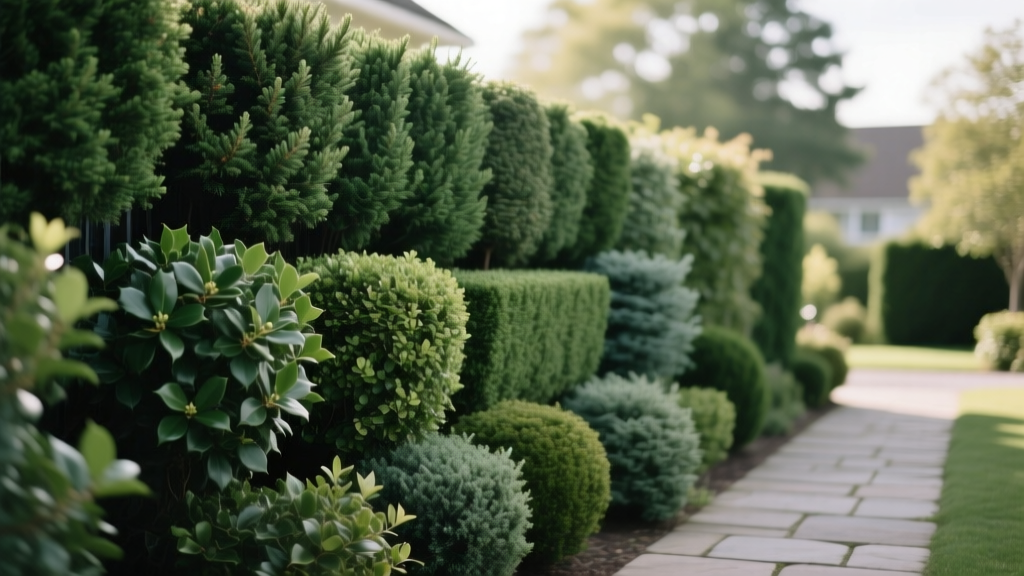
Best Evergreen Privacy Shrubs
The best evergreen privacy shrubs for rapid, year-round screening include Green Giant Arborvitae (Thuja standishii x plicata), Leyland Cypress (x Cuprocyparis leylandii), and Skip Laurel (Prunus laurocerasus 'Schipkaensis'). These species provide dense foliage, block sightlines, and reduce noise effectively. This guide is specifically designed for homeowners and landscape architects seeking to replace wooden fences with living, natural barriers that thrive in diverse climate zones.
Key Takeaways
- Top Pick: Green Giant Arborvitae grows up to 3 feet per year and exhibits high deer resistance.
- Best for Shade: Skip Laurel tolerates partial shade while maintaining dense, broadleaf foliage.
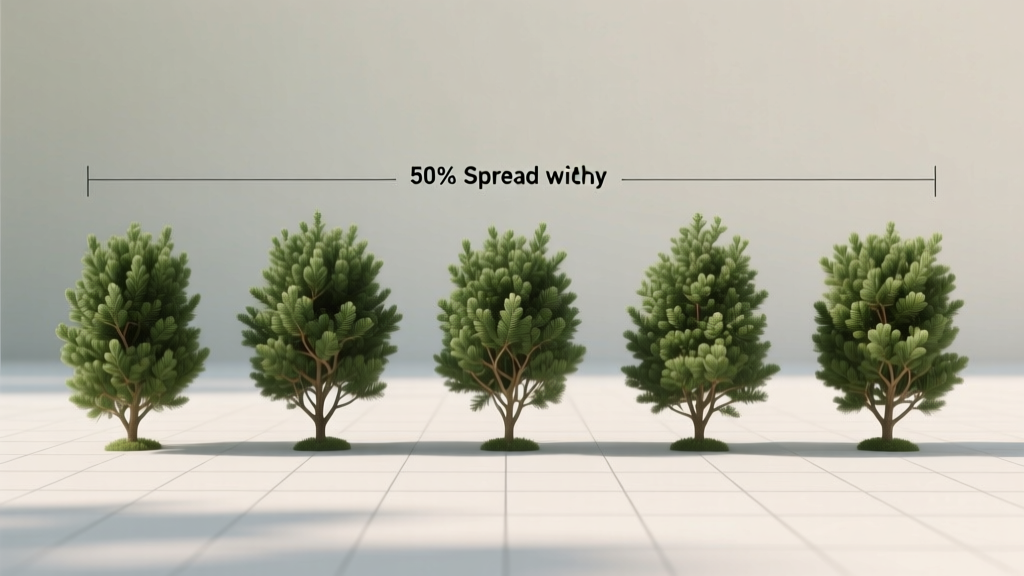
- Spacing Rule: Plant shrubs at 50% of their mature width apart to ensure a seamless visual screen.
Core Landscaping Definitions
Evergreen Privacy Screen: A continuous row of woody plants that retain their foliage year-round, specifically cultivated to block sightlines, reduce wind, and dampen neighborhood noise without seasonal leaf drop.
Mature Spread: The maximum horizontal width a shrub will naturally achieve under optimal growing conditions, which dictates proper planting spacing to prevent overcrowding.
Top Evergreen Privacy Shrubs
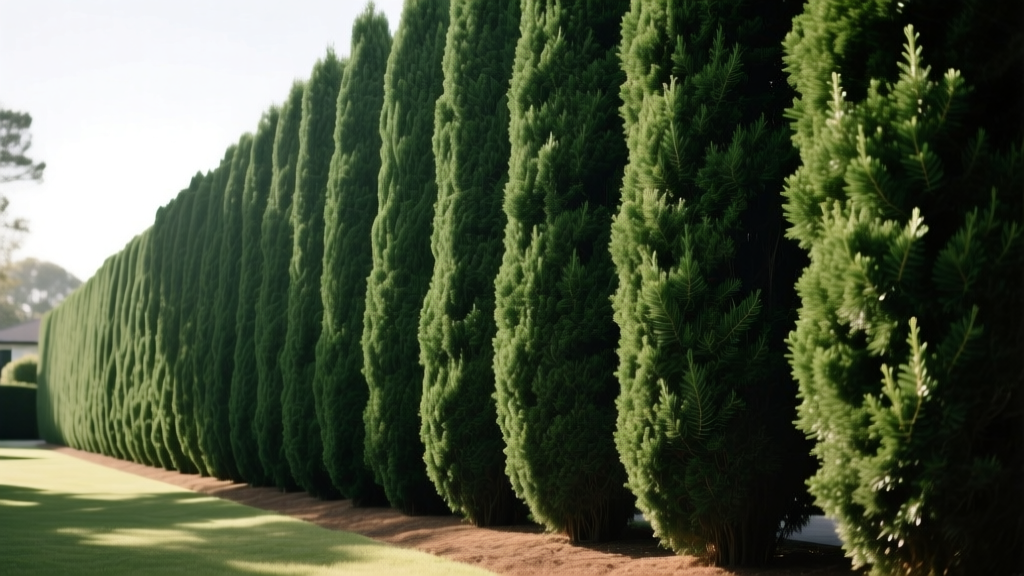
Green Giant Arborvitae (Thuja standishii x plicata 'Green Giant')
The Green Giant Arborvitae is a hybrid cultivar that grows up to 3 feet per year under optimal conditions. It reaches a mature height of 50 feet and a spread of 12 feet. Its dense, scale-like foliage provides immediate visual barriers and withstands heavy snow loads without branch breakage.
According to the Penn State Extension, this specific hybrid exhibits superior resistance to leaf-mining insects compared to standard American Arborvitae. It thrives in USDA Hardiness Zones 5 through 8.
Skip Laurel (Prunus laurocerasus 'Schipkaensis')
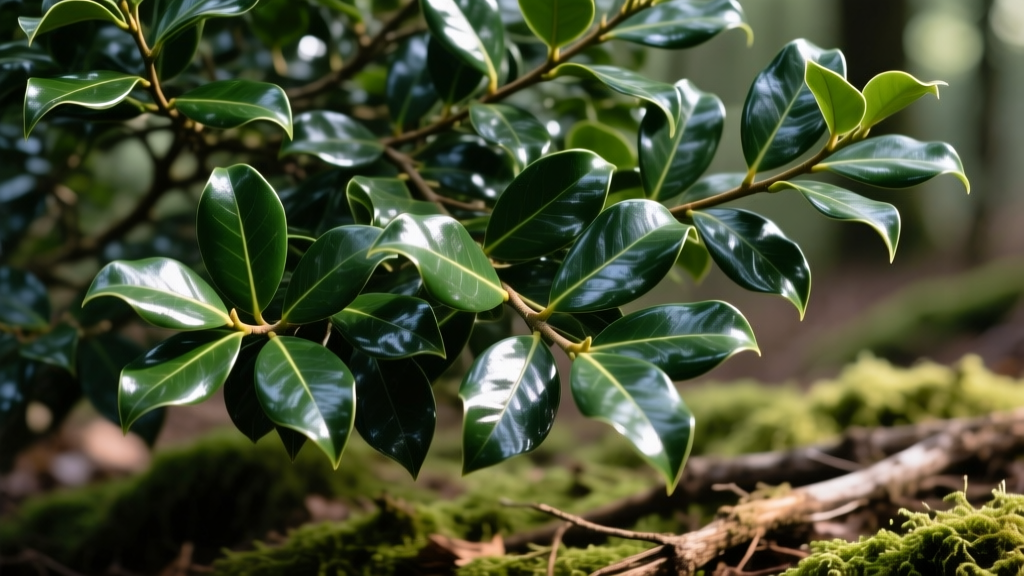
Skip Laurel is a broadleaf evergreen that reaches a mature height of 10 feet and a width of 6 feet. It produces glossy, dark green leaves and small white spring flowers. This cultivar is highly valued for its ability to maintain dense foliage in partial shade environments.
Research from the North Carolina State Extension confirms its tolerance for urban pollution and drought once established. It performs best in Zones 6 through 9.
Nellie Stevens Holly (Ilex x 'Nellie R. Stevens')
Nellie Stevens Holly is a broadleaf evergreen tree that grows 2 to 3 feet per year, ultimately reaching 20 feet in height. It features dark green, slightly spiny leaves and produces abundant, bright red berries in winter. The dense branching structure makes it highly effective for security and privacy.
The Texas A&M Aggie Horticulture program notes its exceptional heat tolerance and high resistance to deer browsing. It is hardy in Zones 6 through 9.
Shrub Selection Framework
Use the comparison matrix below to match your specific site conditions with the most appropriate evergreen species.
| Shrub Cultivar | Mature Height | Annual Growth Rate | Shade Tolerance | Deer Resistance |
|---|---|---|---|---|
| Green Giant Arborvitae | 50 feet | 3 feet per year | Low (Needs full sun) | High |
| Skip Laurel | 10 feet | 2 feet per year | High (Tolerates partial shade) | Moderate |
| Nellie Stevens Holly | 20 feet | 2.5 feet per year | Moderate | High |
| Leyland Cypress | 60 feet | 4 feet per year | Low (Needs full sun) | High |
Planting and Spacing Guide
Proper spacing is critical for the long-term health of your privacy screen. Plant shrubs at a distance equal to 50% of their mature spread. For example, if a shrub matures at 10 feet wide, plant the center of each shrub 5 feet apart.
Apply a 3-inch layer of organic hardwood mulch around the base of each plant. Keep the mulch exactly 2 inches away from the main trunk to prevent crown rot and vole damage.
Expect to invest approximately $45 per plant for a high-quality 3-gallon container specimen. A properly installed and irrigated screen will achieve full visual opacity within 5 years of planting.
Frequently Asked Questions
What are the fastest growing evergreen privacy shrubs?
Leyland Cypress (x Cuprocyparis leylandii) and Green Giant Arborvitae are the fastest growing options. Both species can achieve vertical growth rates of 3 to 4 feet per year when provided with full sun, adequate soil moisture, and annual spring fertilization.
Which evergreen privacy shrubs grow best in full shade?
True full shade limits most evergreen options. However, Japanese Aucuba (Aucuba japonica) and certain Yew cultivars (Taxus x media) will survive in deep shade. For dense, rapid screening in partial shade, Skip Laurel remains the most reliable broadleaf choice.
Are there deer resistant evergreen privacy shrubs?
Yes. Nellie Stevens Holly, Green Giant Arborvitae, and Leyland Cypress exhibit high resistance to deer browsing. Deer typically avoid plants with spiny leaves, strong aromatic oils, or tough, fibrous foliage.
Conclusion
Selecting the ideal evergreen privacy shrubs requires matching the plant's genetic traits to your property's specific sunlight, soil, and spatial constraints. While Green Giant Arborvitae offers the fastest vertical growth for sunny sites, Skip Laurel provides essential screening solutions for shaded landscapes.
Your immediate next step is to conduct a professional soil test or a DIY percolation test to verify your drainage capacity before purchasing and planting your new living fence.

