Grass Types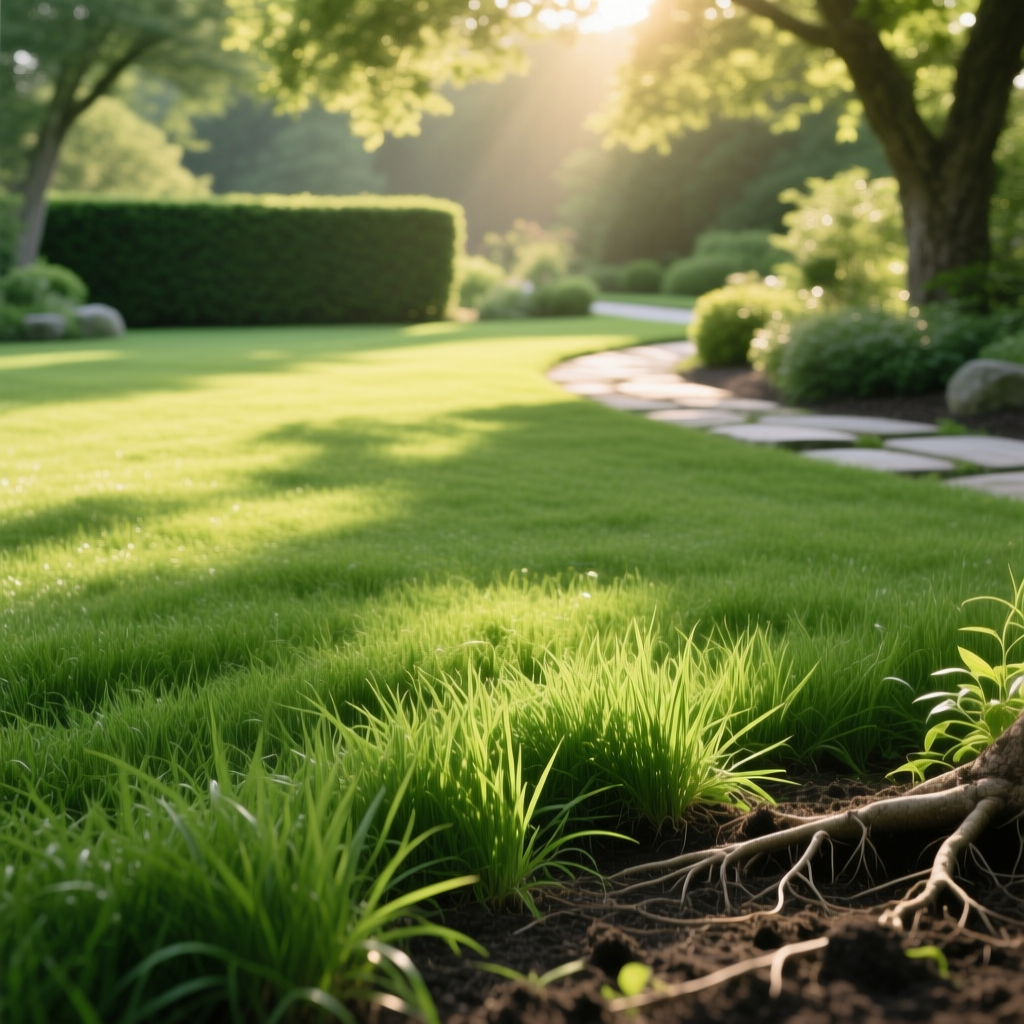
The Best Grass Seed for Shade & Poor Soil: A Complete Guide
Robert HayesPublished
The Best Grass Seed for Shade & Poor Soil: A Complete Guide
Achieving a lush, vibrant lawn is a point of pride for many homeowners, but nature does not always provide ideal conditions. If your yard is dominated by the dense canopy of mature trees or bordered by tall structures that block the sun, you are likely dealing with heavy shade. Combine this with poor soil—such as compacted clay, nutrient-deficient sand, or rocky urban fill—and growing a traditional lawn can feel like an impossible task. Standard grass seeds simply lack the genetic resilience to survive in these challenging environments.
However, a difficult yard does not mean you have to settle for bare dirt, mud patches, or an endless battle with moss. By selecting the right grass species and implementing targeted lawn care strategies, you can cultivate a beautiful, resilient turf even in the most stubborn areas of your landscape. In this comprehensive guide, we will explore the best grass seed for shade & poor soil, breaking down the top varieties, their ideal growing zones, and the specific maintenance routines required to help them thrive.
Understanding the Dual Challenge of Shade & Poor Soil
Before selecting a seed, it is crucial to understand why shade & poor soil create such a hostile environment for turfgrass. Grass relies on photosynthesis to convert sunlight into the energy needed for root development, blade growth, and disease resistance. In heavily shaded areas, sunlight is reduced by up to 70%, forcing the grass to stretch its blades (a process called etiolation) in a desperate search for light. This results in thin, weak turf that is highly susceptible to foot traffic, drought, and fungal pathogens.
Poor soil compounds this issue. Turfgrass requires a balanced soil structure to access oxygen, water, & nutrients. Heavy clay soils compact easily, suffocating roots and preventing water infiltration. Conversely, sandy or rocky soils drain too quickly, leaching away vital nutrients before the shallow roots of shade-stressed grass can absorb them. Furthermore, large trees not only block sunlight but also act as massive competitors, aggressively absorbing the available water & nutrients from the surrounding soil with their extensive root networks.
To overcome these hurdles, you must choose grass species that are genetically predisposed to low-light environments and low-fertility soils. Cool-season grasses generally outperform warm-season grasses in the shade, though there are a few notable exceptions for southern climates.
Top Grass Varieties for Shade & Poor Soil
Not all grasses are created equal. While Kentucky Bluegrass & Bermudagrass demand full sun and rich soil, the following varieties are specifically adapted to survive—and even thrive—in less-than-ideal conditions.
1. Fine Fescue: The Undisputed Champion
When it comes to the best grass seed for shade & poor soil, Fine Fescue is the undisputed king. Fine Fescue is actually a category that includes several sub-varieties: Creeping Red Fescue, Chewings Fescue, Hard Fescue, & Sheep Fescue. These grasses feature narrow, needle-like blades that require significantly less sunlight to maintain their color & density.
More importantly, Fine Fescues are remarkably efficient. They have very low nitrogen requirements, meaning they will not starve in nutrient-poor soils. They are also highly drought-tolerant once established, making them perfect for areas where tree roots compete heavily for moisture. While they do not handle heavy foot traffic well, they are the perfect choice for low-use, shaded ornamental lawns, woodland edges, & slopes.
2. Tall Fescue: The Deep-Rooted Survivor
For homeowners who need a bit more durability, Tall Fescue (specifically turf-type tall fescue) is an excellent alternative. Tall Fescue is renowned for its incredibly deep root system, which can reach up to three feet into the soil. This allows it to bypass compacted topsoil & access deep moisture reserves, making it highly resilient in poor, clay-heavy soils.
While it prefers full sun, modern turf-type tall fescue cultivars have been bred with improved shade tolerance. It handles foot traffic much better than Fine Fescue, making it suitable for family yards with shaded play areas. It thrives in the transition zone where summers are hot & winters are cold, bridging the gap between cool-season & warm-season climates.
3. Rough Bluegrass: The Moist Shade Specialist
Rough Bluegrass (Poa trivialis) is a unique cool-season grass that excels in wet, heavily shaded areas with poor drainage. If your shady lawn suffers from soggy soil where other grasses rot, Rough Bluegrass can provide a bright green, dense cover. However, it has a major drawback: it lacks heat & drought tolerance. In the heat of summer, it may go dormant or thin out significantly, requiring overseeding in the fall. It is best used as a component in a shade seed mix rather than a standalone lawn.
4. St. Augustinegrass: The Warm-Season Shade Option
If you live in a southern, warm-season climate, your options for shade are limited. St. Augustinegrass is the most shade-tolerant warm-season grass available. Its broad, flat blades are highly efficient at capturing whatever filtered sunlight penetrates the tree canopy. While it prefers rich, well-draining soil, it can adapt to poorer soils if amended with organic matter. Note that St. Augustine is typically established via sod, plugs, or sprigs rather than seed, as viable seed is rarely available on the commercial market.
Climate & Growing Zone Considerations
Selecting the right seed also depends heavily on your geographic location & USDA hardiness zone. Planting a cool-season grass in a deep southern climate will result in summer die-off, while planting a warm-season grass in the north will lead to winter kill.
- Northern & Cool-Season Zones (Zones 3-6): Fine Fescue blends & Tall Fescue are your best options. They will remain green for most of the year, surviving freezing winters & moderate summers.
- Transition Zones (Zones 6-8): Turf-type Tall Fescue is the most reliable choice here, as it can handle the sweltering summer heat & the chilly winters better than Fine Fescues or Bluegrasses.
- Southern & Warm-Season Zones (Zones 8-11): St. Augustinegrass (via sod/plugs) or Zoysiagrass (specifically shade-tolerant cultivars like 'Zeon' or 'El Toro') are the only viable options. Zoysia handles poor soil exceptionally well but requires at least 4-5 hours of dappled sunlight.
Essential Soil Preparation & Lawn Maintenance
Even the most resilient shade grass will fail if planted directly into untouched, compacted dirt. Proper site preparation & ongoing maintenance are non-negotiable for success.
Soil Testing & Amendment
Before purchasing seed, conduct a thorough soil analysis using a comprehensive soil testing guide. Shade soils often become highly acidic due to decaying tree leaves. If your pH is below 6.0, apply agricultural lime to raise it. To combat poor soil structure, top-dress the area with a half-inch layer of high-quality compost. This introduces vital organic matter, improves moisture retention in sandy soils, & breaks up heavy clay.
Core Aeration
Compaction is the enemy of root growth. Use a core aerator to pull plugs of soil from the ground, creating channels for oxygen, water, & nutrients to reach the root zone. Follow the steps in our aeration guide to properly relieve soil compaction before seeding.
Strategic Overseeding
Shade lawns thin out naturally over time. Plan to overseed your lawn every early fall. Our overseeding guide details how to ensure proper seed-to-soil contact, which is critical for germination in challenging environments.
Adjusting Mowing & Watering Habits
Grass in the shade must be mowed higher than grass in the sun. Set your mower deck to 3.5 or 4 inches. Taller blades provide more surface area for photosynthesis & shade the soil, reducing moisture evaporation. Refer to our mowing tips for best practices. When watering, remember that shaded soil retains moisture longer. Water deeply but infrequently to encourage deep root growth & avoid creating the damp, stagnant conditions that breed fungal diseases like powdery mildew or brown patch.
Grass Seed Comparison Table
| Grass Type | Shade Tolerance | Poor Soil Tolerance | Drought Tolerance | Traffic Tolerance | Best Growing Zone |
|---|---|---|---|---|---|
| Fine Fescue | Excellent | Excellent | High | Low | Cool-Season (3-7) |
| Tall Fescue | Good to Very Good | Very Good | Very High | Moderate to High | Transition (6-8) |
| Rough Bluegrass | Excellent (Wet Shade) | Moderate | Low | Low | Cool-Season (3-6) |
| St. Augustine | Very Good | Moderate | Moderate | Moderate | Warm-Season (8-11) |
| Zoysiagrass | Moderate | Excellent | Very High | High | Warm-Season (7-11) |
Pros & Cons of Growing Grass in Difficult Conditions
Managing a lawn in shade & poor soil requires a shift in expectations. Understanding the pros & cons will help you decide if natural turf is the right choice for your landscape.
Pros
- Erosion Control: Even thin shade grasses like Fine Fescue have fibrous root systems that hold soil in place, preventing washouts under tree canopies.
- Lower Fertilizer Needs: Shade grasses grow slower & require significantly less nitrogen, saving you money & reducing chemical runoff.
- Cooler Microclimate: A grassy area, even a sparse one, keeps the ground cooler than bare dirt or mulch during the summer months.
Cons
- Low Traffic Tolerance: Shade grass is inherently weaker. Heavy foot traffic from pets or children will quickly lead to bare patches.
- Slower Establishment: Seeds take longer to germinate & fill in due to the lack of solar energy.
- Fungal Susceptibility: Poor air circulation & lingering moisture in shaded areas increase the risk of lawn diseases.
Frequently Asked Questions (FAQ)
Can I grow grass under large trees with surface roots?
Growing grass directly over aggressive surface roots (like those of maples or beeches) is incredibly difficult. The roots will outcompete the grass for every drop of water & nutrient. If you must try, use a Fine Fescue blend & apply a very thin layer (no more than an inch) of compost to give the seed a medium to germinate in. Never pile soil against the trunk of the tree, as this can girdle & kill the tree. If the roots are too dense, consider using our shade groundcover alternatives like mulch, hostas, or creeping jenny.
How do I know if my soil is too poor for grass seed?
If your soil is heavily compacted, water pools on the surface for hours after a rainstorm, or the ground is rock-hard & cracked during dry spells, it is too poor for direct seeding. You must first break up the compaction via core aeration or deep tilling, & amend the top few inches with organic compost to create a viable seedbed. Without organic matter, grass roots simply cannot penetrate or survive.
Is it better to use a shade mix or a single grass variety?
For most homeowners, a high-quality shade mix is superior to a single variety. A blend typically contains multiple types of Fine Fescue alongside a small percentage of shade-tolerant Kentucky Bluegrass or Perennial Ryegrass. This genetic diversity ensures that if a specific disease or environmental stressor targets one species, the other species in the mix will survive & keep the lawn looking intact. Always check the seed tag to ensure the mix contains less than 10% weed seed & no annual ryegrass filler.
Why is my shade grass thinning out every summer?
Summer thinning in shaded lawns is usually caused by a combination of heat stress, drought, & fungal disease. Trees drink massive amounts of water in the summer, leaving the grass parched. Additionally, the humid, stagnant air under a tree canopy is a breeding ground for fungi. To combat this, water deeply early in the morning, prune the lower branches of your trees to improve air circulation, & avoid applying high-nitrogen fertilizers in the late spring, which promotes weak, disease-susceptible growth.
Will moss take over my shady lawn?
Moss is an opportunistic plant that thrives exactly where grass struggles: in deep shade, acidic soil, & poor drainage. Moss itself does not kill grass; it simply moves into the spaces where grass has already died. To prevent moss from taking over, you must address the underlying conditions. Raise your soil pH with lime, improve drainage through aeration, & overseed with a competitive Fine Fescue blend. If moss is already established, gently rake it out, amend the soil, & reseed immediately to give the grass a head start.
