Grass Types
The Best Grass Seed for Shade in Georgia: A Complete Guide
Anna KowalskiPublished
The Best Grass Seed for Shade in Georgia: A Complete Guide
Georgia is renowned for its stunning landscapes, characterized by sprawling hardwoods, majestic pine trees, and lush garden canopies. However, for homeowners trying to cultivate a pristine lawn, this abundant tree cover presents a significant challenge. Shade limits the amount of sunlight reaching your turf, slowing photosynthesis, reducing root growth, and increasing susceptibility to disease. Finding the best grass seed for shade in Georgia requires a strategic understanding of the state's unique climate, soil conditions, and the specific biological needs of different turfgrass species.
Whether you are dealing with the dappled sunlight of a piedmont oak grove or the dense, year-round shadow of coastal pine trees, selecting the right seed is the first step toward a vibrant, resilient lawn. In this comprehensive guide, we will explore the top-performing grass seeds for shady environments in Georgia, detail their growing characteristics, and provide expert maintenance tips to ensure your shade lawn thrives season after season. For more general tips, be sure to explore our complete shade lawn care guide.
Understanding Georgia's Climate & Shade Dynamics
Georgia sits squarely in what agronomists call the 'Transition Zone,' a horizontal band across the United States where neither strictly cool-season nor strictly warm-season grasses have a perfect, year-round advantage. This geographical reality means that the best grass seed for your shady yard depends heavily on where you live within the state.
In North Georgia and the mountainous regions, winters are cooler and summers are moderately hot. Here, cool-season grasses are the undisputed champions of the shade. Conversely, in Central and South Georgia, the climate shifts toward subtropical, with long, sweltering summers and mild winters. Warm-season grasses dominate the sunny spots in these regions, but shade complicates the picture. Warm-season grasses generally require full, direct sunlight to thrive, making shade tolerance a rare and highly prized trait.
Shade does more than just block the sun; it alters the microclimate of your lawn. Shaded areas tend to retain moisture longer, creating a breeding ground for fungal diseases like brown patch and dollar spot. Furthermore, tree roots fiercely compete with grass for water and essential soil nutrients. When selecting a grass seed for shade in Georgia, you must choose varieties that boast not only low-light tolerance but also strong disease resistance and competitive root systems.
Top Cool-Season Grass Seeds for Shady Georgia Lawns
For homeowners in North Georgia, the Atlanta metro area, and the higher elevations of the state, cool-season grasses are the most reliable choice for shaded environments. These grasses grow most actively during the cooler temperatures of spring and fall, holding onto their green color well into the winter months.
Tall Fescue: The Undisputed King of Georgia Shade
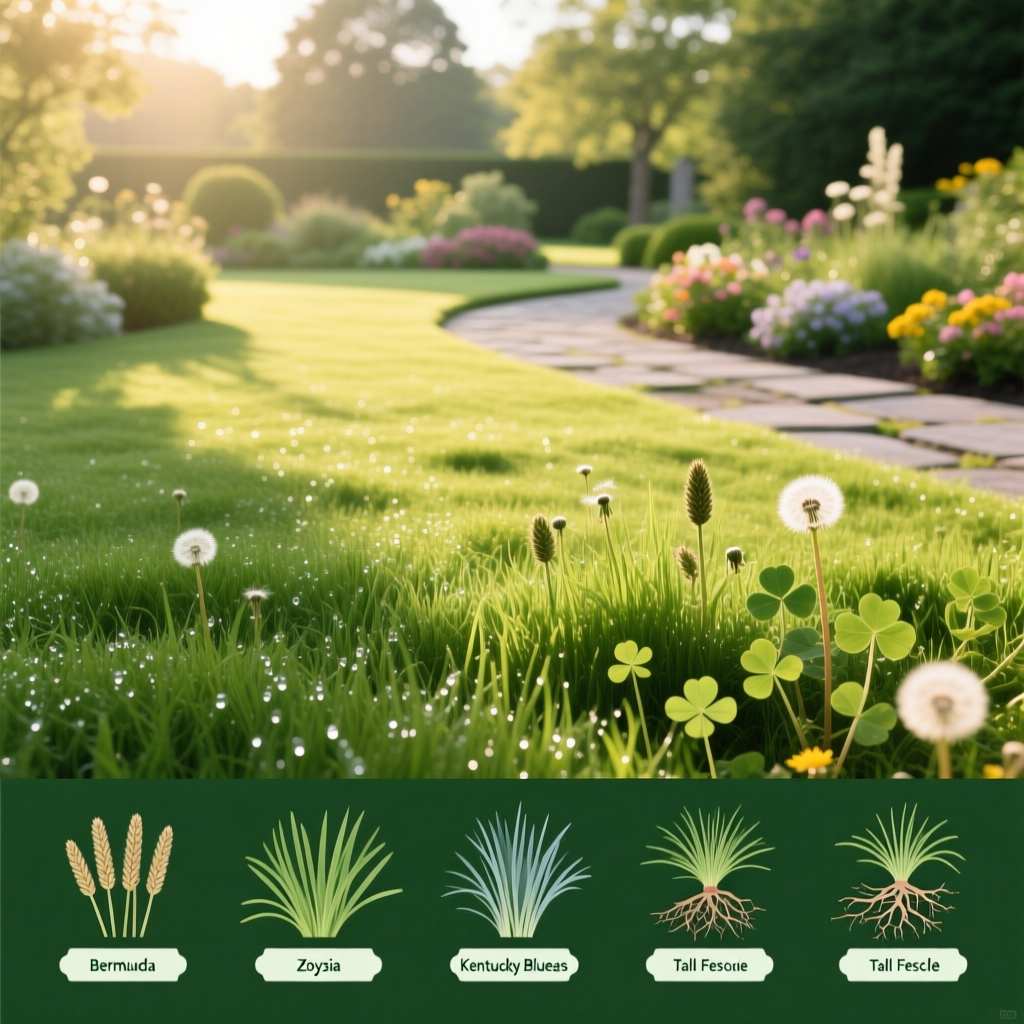
When discussing the best grass seed for shade in Georgia, Tall Fescue is universally recommended by turf experts. Modern turf-type tall fescue cultivars have been specifically bred for the transition zone, offering exceptional shade tolerance, deep root systems, and impressive drought resistance. Unlike older forage varieties (like Kentucky 31), modern turf-type fescues feature a finer blade texture and a denser growth habit, resulting in a beautiful, dark green lawn.
Characteristics:
- Shade Tolerance: Excellent. It can thrive in areas receiving only 3 to 4 hours of filtered or dappled sunlight per day.
- Traffic Tolerance: Moderate to high, making it suitable for family yards.
- Drought Resistance: High, thanks to roots that can reach up to 3 feet deep.
Pros: Remains green year-round in North Georgia, highly adaptable to the state's red clay soils, and readily available as seed.
Cons: Requires overseeding every few years to maintain density, and can struggle during extreme, prolonged summer heatwaves in the lower piedmont.
Fine Fescue: The Solution for Deep, Dense Shade
If your yard features areas of deep, heavy shade where even Tall Fescue struggles to survive, Fine Fescue is your best alternative. Fine fescue is actually a category that includes creeping red fescue, chewings fescue, and hard fescue. These grasses possess the highest shade tolerance of any cool-season turfgrass.
Characteristics:
- Shade Tolerance: Superior. It can survive in heavily wooded areas with minimal direct sunlight.
- Traffic Tolerance: Low. Fine fescues do not recover well from heavy foot traffic or pet activity.
- Maintenance: Low. Requires less fertilizer and water than tall fescue.
Pros: Unmatched performance in deep shade, fine and attractive texture, low fertilizer requirements.
Cons: Very sensitive to heat stress and drought, poor wear tolerance, and prone to thatch buildup.
Top Warm-Season Grass Seeds for Shady Georgia Lawns
Homeowners in Central and South Georgia face a tougher challenge. The dominant warm-season grasses in the state, such as Bermudagrass and Bahiagrass, are notoriously intolerant of shade. If you attempt to grow Bermuda grass from seed in a shaded yard, it will quickly thin out and die. However, there is one notable warm-season exception that can be grown from seed and handles moderate shade beautifully.
Zoysiagrass: The Premium Warm-Season Shade Option
While many homeowners establish Zoysiagrass via sod or plugs, high-quality Zoysia seed (such as the Zenith or Compadre varieties) is available and performs exceptionally well in the transition zone and southern coastal plains. Zoysiagrass offers a lush, carpet-like appearance and boasts a moderate to good tolerance for light, dappled shade.
Characteristics:
- Shade Tolerance: Moderate. It requires at least 4 to 5 hours of direct or highly filtered sunlight to thrive.
- Traffic Tolerance: High. Zoysia forms a dense, wear-resistant turf.
- Soil Adaptability: Excellent. It handles Georgia's sandy coastal soils and heavy clays with equal ease.
Pros: Beautiful, dense turf that chokes out weeds, excellent heat and drought tolerance, and requires less mowing than cool-season grasses.
Cons: Slower to establish from seed than fescue, turns dormant and brown after the first hard frost in autumn, and is susceptible to thatch.
Note on St. Augustinegrass: While St. Augustine is the most shade-tolerant warm-season grass for South Georgia and the coast, it is almost exclusively established via sod, sprigs, or plugs. Commercially viable St. Augustine seed is virtually non-existent. If you are strictly looking to plant from seed, Zoysiagrass and Tall Fescue remain your best options.
Soil Preparation & Seeding Techniques for Shade
Even the most shade-tolerant grass seed will fail if planted in poorly prepared soil. Shady areas in Georgia are often plagued by compacted soil, acidic pH levels from decaying pine needles, and aggressive tree roots. Proper preparation is non-negotiable.
Testing and Amending the Soil
Georgia's native soil is often heavy red clay or overly sandy, both of which pose challenges for seed germination. Furthermore, the decomposition of oak leaves and pine straw can drive soil pH down, making it highly acidic. Before seeding, conduct a soil test. Most turfgrasses prefer a pH between 6.0 and 7.0. If your soil is too acidic, apply pelletized lime according to your test results. To improve drainage and nutrient retention in clay soils, incorporate a thin layer of organic compost over the seedbed before planting.
Managing Tree Roots and Debris
Tree roots will outcompete young grass seedlings for moisture. Before seeding, lightly rake the area to remove surface roots, pine straw, and heavy leaf litter. If pine straw is a constant issue, consider installing a subtle landscape border to keep debris out of the lawn area, or commit to regular blowing and raking to prevent the grass from being smothered.
Seeding Rates and Timing
Timing is everything when planting grass seed in Georgia. For cool-season grasses like Tall Fescue and Fine Fescue, the absolute best time to seed is in early fall (late September through mid-October). This allows the seedlings to establish deep roots during the cool autumn and spring months before facing the brutal Georgia summer heat. The recommended seeding rate for Tall Fescue is 5 to 8 pounds per 1,000 square feet. For warm-season Zoysiagrass seed, plant in late spring to early summer (May through June) when soil temperatures consistently exceed 65°F, using a rate of 2 to 3 pounds per 1,000 square feet.
Essential Maintenance Rules for Shady Lawns
Once your shade-tolerant grass seed has germinated and established, your maintenance routine must adapt to the low-light environment. Lawns growing in the shade require a fundamentally different approach than those basking in full sun.
Mowing Higher to Maximize Photosynthesis
Because shade limits the amount of sunlight reaching the grass blades, the plant needs every fraction of an inch of leaf tissue to capture light and perform photosynthesis. Always mow your shady lawn at the highest recommended height for the species. For Tall Fescue, this means mowing at 3.5 to 4 inches. For Zoysiagrass, maintain a height of 2 to 2.5 inches. Never remove more than one-third of the grass blade in a single mowing session. For more details on proper mower settings, read our comprehensive mowing guide.
Watering Deeply but Infrequently
Shaded lawns retain moisture much longer than sunny lawns, and the tree canopy can sometimes block light rain from reaching the soil. Water your shade lawn deeply but infrequently to encourage deep root growth. Avoid frequent, shallow waterings, as this keeps the grass blades wet and invites devastating fungal diseases. Watering in the early morning is crucial, allowing the grass blades to dry out during the day.
Fertilizing with Caution
Grass growing in the shade grows more slowly and requires less nitrogen than grass in full sun. Over-fertilizing a shady lawn forces weak, rapid, and succulent growth that is highly susceptible to disease and environmental stress. Reduce your nitrogen applications by 25% to 50% in shaded areas compared to the sunny parts of your yard. Utilize a balanced, slow-release fertilizer and follow our fertilizing schedule to keep your turf healthy without overwhelming it.
Pruning for Dappled Sunlight
You can drastically improve the health of your shade lawn by modifying the environment. Hire an arborist or carefully prune the lower limbs of your trees to raise the canopy. This allows morning and late-afternoon sunlight to penetrate the turf. Additionally, thinning out the dense inner branches of trees allows 'dappled' sunlight to filter through, which is the ideal light condition for shade-tolerant grasses.
Comparison Table: Best Shade Grass Seeds for Georgia
| Grass Type | Best Region in GA | Shade Tolerance | Water Needs | Maintenance Level |
|---|---|---|---|---|
| Tall Fescue | North & Central | Excellent | Moderate | Moderate to High |
| Fine Fescue | North (Deep Shade) | Superior | Low to Moderate | Low |
| Zoysiagrass | Central & South | Moderate | Low | Moderate |
| Kentucky Bluegrass | North (Mixes only) | Poor to Fair | High | High |
Frequently Asked Questions (FAQ)
Can I grow Bermudagrass from seed in a shaded yard?
No. Bermudagrass is one of the least shade-tolerant grasses in existence. It requires a minimum of 8 to 10 hours of direct, unfiltered sunlight every single day to survive. If you attempt to plant Bermudagrass seed in a shaded Georgia yard, it may germinate, but the seedlings will quickly thin out, turn yellow, and die as they fail to produce enough energy through photosynthesis. If you have heavy shade, you must avoid Bermuda entirely and opt for Tall Fescue or Zoysiagrass instead.
When is the best time to overseed a shady Tall Fescue lawn in Georgia?
The optimal window for overseeding Tall Fescue in Georgia is between mid-September and mid-October. During this period, soil temperatures are still warm enough to encourage rapid seed germination, but the air temperatures are cooling down, reducing heat stress on the young seedlings. Fall planting also gives the grass two full growing seasons (autumn and spring) to establish deep, resilient root systems before the punishing heat of a Georgia summer arrives. Avoid spring seeding if possible, as young fescue roots are easily destroyed by summer drought and heat.
Why is my shady lawn growing moss instead of grass?
Moss is an opportunistic organism that thrives in conditions where turfgrass struggles: heavy shade, compacted soil, poor drainage, and high acidity. If moss is overtaking your grass seed, it is a symptom of an underlying environmental issue. To combat moss, you must first address the soil compaction through core aeration. Next, test your soil pH and apply lime if the soil is too acidic (common under pine and oak trees). Finally, prune tree canopies to increase airflow and sunlight penetration. For more tips on eradicating unwanted growth, visit our weed and moss control guide.
Should I use a commercial 'shade mix' seed blend or a single species?
For Georgia lawns, it is generally better to purchase high-quality, single-species seed (like 100% turf-type Tall Fescue) rather than generic, big-box-store 'shade mixes.' Many commercial shade mixes contain cheap filler seeds, annual ryegrass, or rough bluegrass (Poa trivialis) that will germinate quickly but die off during the hot, humid Georgia summer, leaving you with bare patches. By selecting a premium, single-species seed or a professionally formulated transition-zone blend from a reputable turf supplier, you ensure that every seed in the bag is equipped to handle the specific climate challenges of the Peach State.
How do I deal with tree roots competing with my shade grass?
Tree roots are aggressive and will easily steal water and nutrients from your grass seedlings. To level the playing field, apply a layer of high-quality organic compost over your lawn annually to improve the soil's moisture-holding capacity. When watering, use deep, infrequent soakings that force both the tree roots and the grass roots to grow downward. Avoid rototilling or deeply digging the soil to remove tree roots, as this will severely damage the trees and destabilize the soil structure. Instead, focus on building a rich, loamy topsoil layer above the roots to give your grass seed a fighting chance.
By understanding the unique interplay between Georgia's climate, your yard's micro-environment, and the biological traits of different turfgrasses, you can successfully cultivate a lush, green lawn even in the darkest corners of your property. Choose your seed wisely, prepare the soil diligently, and adapt your maintenance routine to the shade, and your lawn will thrive for years to come.