Pest Control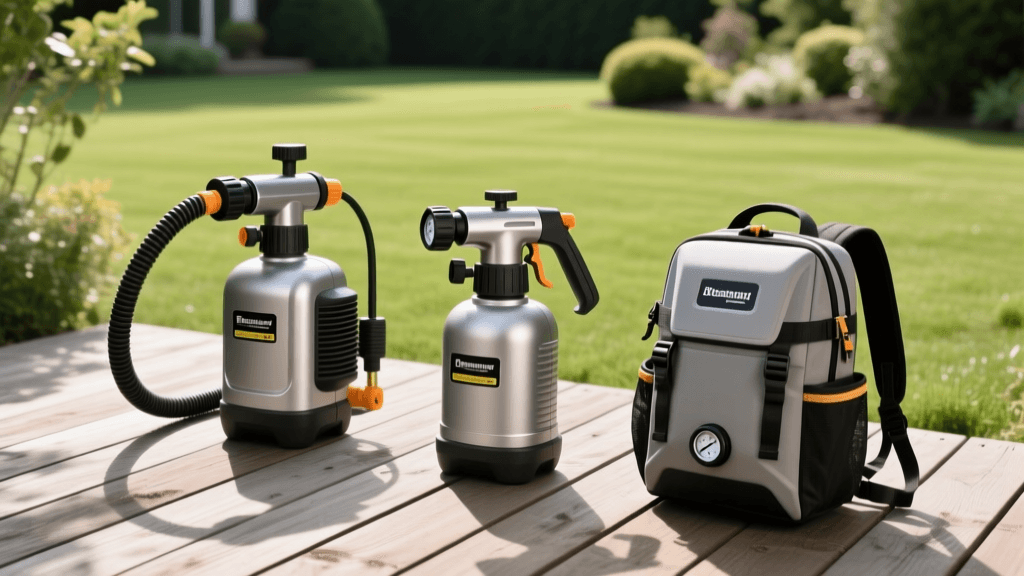
Best Lawn Sprayers for Pest Control: Equipment Guide
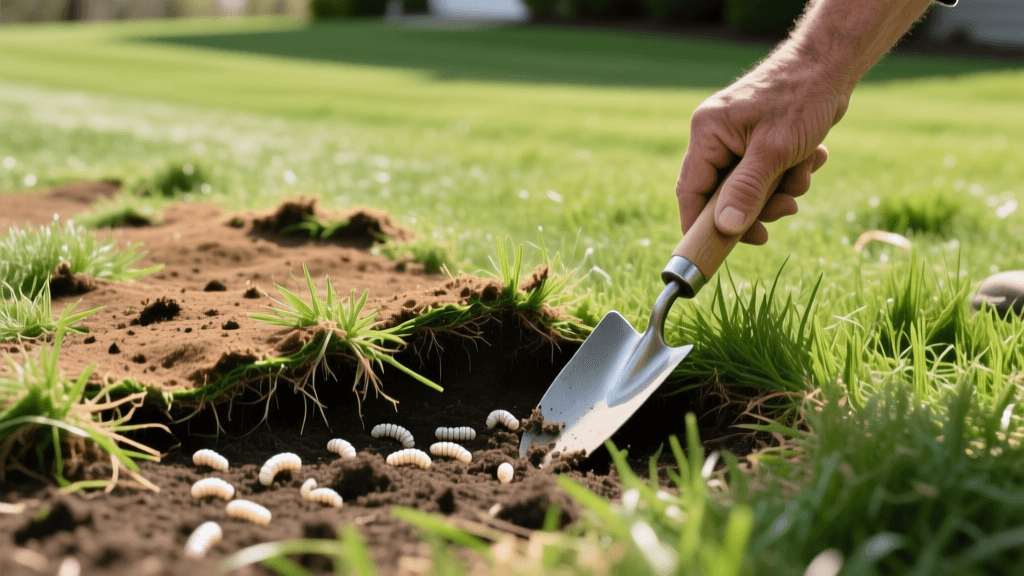
When it comes to maintaining a pristine, healthy lawn, dealing with pests is an inevitable part of the journey. Whether you are battling grubs beneath the soil surface, chinch bugs scorching your turf, or mosquitoes hiding in the shrubbery, the effectiveness of your treatment relies heavily on your application equipment. Welcome to the LawnsGuide Tools and Equipment series, where we break down the essential gear you need to implement a successful Integrated Pest Management (IPM) strategy. In this comprehensive guide, we will explore the best lawn sprayers for pest control, helping you select the perfect tool for your specific yard size, budget, and target pests.
Why the Right Sprayer Matters for Integrated Pest Management
Integrated Pest Management (IPM) emphasizes targeted, efficient, and environmentally responsible pest control. Applying liquid pesticides, herbicides, or organic treatments like neem oil and insecticidal soaps requires precision. If your equipment delivers an uneven application, you risk under-dosing (which fails to eliminate the pest and encourages resistance) or over-dosing (which wastes money, damages your turfgrass, and harms beneficial insects).
Furthermore, the right equipment ensures your safety. High-quality sprayers minimize leaks, reduce drift, and keep hazardous chemicals away from your skin and lungs. Investing in the proper application tool is just as critical as selecting the right active ingredient for your lawn care regimen.
Types of Lawn Sprayers for Pest Control
Choosing the correct sprayer depends on your lawn's square footage, the type of pest you are targeting, and your physical comfort. Here is a detailed breakdown of the primary sprayer categories used in residential and commercial lawn care.
Hose-End Sprayers
Hose-end sprayers attach directly to your garden hose and use water pressure to siphon and dilute the pesticide concentrate from an attached reservoir.
Best for: Large-scale applications, soil drenches for grubs, and treating tall shrubs or trees.
Pros: No manual pumping required; covers massive areas quickly; highly affordable.
Cons: Very low precision; heavily reliant on household water pressure; prone to over-application and runoff. Not recommended for spot treatments or sensitive flower beds.
Compression (Pump) Sprayers
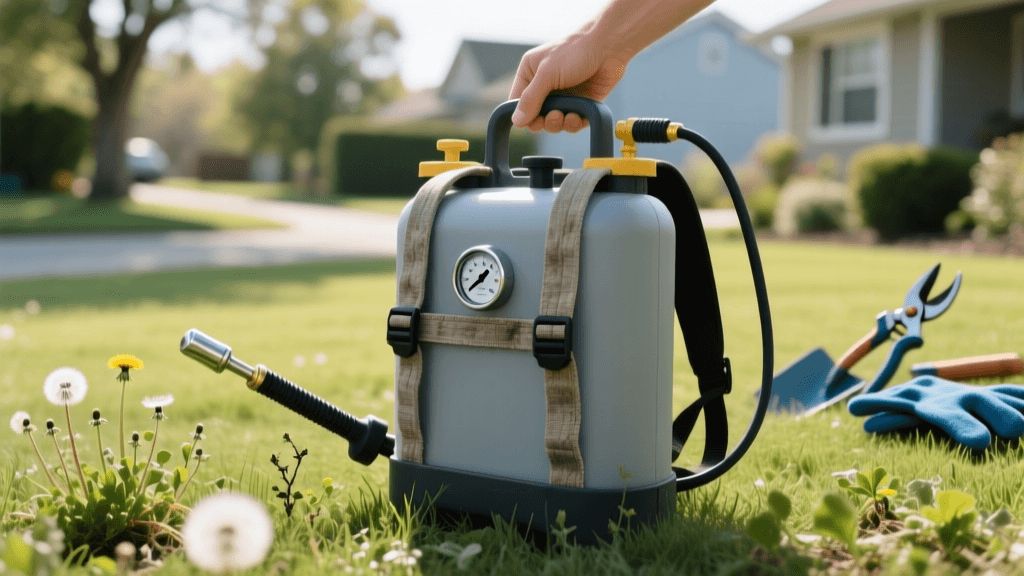
Also known as tank sprayers, these are the most common tools for residential pest control. You fill the tank, seal it, and use a hand pump to pressurize the air inside, forcing the liquid out through the wand.
Best for: Spot treatments, perimeter sprays, and small to medium lawns (under 5,000 square feet).
Pros: Excellent precision; highly portable; inexpensive; easy to clean.
Cons: Requires frequent manual pumping to maintain pressure; can cause arm fatigue; limited capacity (usually 1 to 2 gallons).
Backpack Sprayers
Backpack sprayers feature a 3 to 4-gallon tank worn on your back, with a pump handle located near your hip or shoulder. They often feature a pressure-regulating valve to ensure a consistent spray pattern.
Best for: Medium to large lawns, commercial properties, and uneven terrain.
Pros: Ergonomic weight distribution; consistent pressure output; large capacity reduces refill frequency.
Cons: Heavier and bulkier to store; more expensive than pump sprayers; requires thorough cleaning due to complex internal tubing.
Battery-Powered Sprayers
These modern sprayers use a rechargeable lithium-ion battery to power an internal diaphragm pump, completely eliminating the need for manual pumping.
Best for: Users with mobility issues, large properties, and frequent pest control applications.
Pros: Zero physical effort to maintain pressure; incredibly consistent PSI; quiet operation.
Cons: Highest upfront cost; battery degradation over time; heavier due to the motor and battery pack.
Choosing the Right Nozzle for Pest Control
The sprayer tank is only half the equation; the nozzle dictates how the chemical reaches the target. According to agricultural extension guidelines, matching the nozzle to the pest is crucial for IPM success.
- Flat Fan Nozzles: Produce a wide, even, fan-shaped pattern. Ideal for broadcasting liquid insecticides and herbicides evenly across broad turf areas.
- Cone Nozzles: Emit a circular, swirling mist. Perfect for targeting pests hiding on the undersides of leaves in ornamental beds and shrubs.
- Flood or Jet Nozzles: Deliver a heavy, concentrated stream. Used for soil injection, crack-and-crevice treatments, or knocking down wasp nests from a safe distance.
Sprayer Comparison Chart
Use the table below to quickly compare the core features of each sprayer type to find the best fit for your lawn care arsenal.
| Sprayer Type | Capacity | Best Use Case | Pros | Cons | Avg Cost |
|---|---|---|---|---|---|
| Hose-End | 16 - 32 oz | Large areas, soil drenches | Fast, no pumping | Low precision, high runoff risk | $10 - $25 |
| Compression Pump | 1 - 2 Gallons | Spot treatments, small lawns | Precise, affordable | Manual pumping, low capacity | $15 - $40 |
| Backpack | 3 - 4 Gallons | Medium/large lawns, uneven terrain | Ergonomic, consistent pressure | Bulky, requires deep cleaning | $40 - $150 |
| Battery-Powered | 2 - 4 Gallons | Frequent use, large properties | Effortless, perfect PSI | Expensive, battery limits | $80 - $200 |
How to Calibrate Your Sprayer for Accurate Application
Calibration is the process of determining exactly how much liquid your sprayer applies over a specific area. Applying a pesticide without calibrating your equipment is a guess that can lead to turf burn or ineffective pest control. The Penn State Extension recommends a simple, standardized method for calibrating backpack and pump sprayers to ensure you are applying the exact rate specified on the chemical label.
- Measure a Test Area: Mark off a 1,000-square-foot area in your driveway or on a non-sensitive patch of grass (e.g., 20 feet by 50 feet).
- Fill with Water: Fill your sprayer with clean water only. Never use active chemicals for calibration.
- Spray the Area: Walk at your normal, steady application pace and spray the 1,000-square-foot area evenly, using the exact nozzle and pressure you plan to use in the field.
- Measure the Output: Refill the sprayer back to the original fill line using a measuring cup. The amount of water it takes to refill the tank is exactly how much liquid your sprayer applies per 1,000 square feet.
- Calculate the Mix: If the pesticide label calls for 2 ounces per 1,000 square feet, and your sprayer outputs 1.5 gallons per 1,000 square feet, you will mix 2 ounces of chemical into every 1.5 gallons of water in your tank.
Essential Safety Gear and PPE
When handling concentrated pest control products, your sprayer is only one part of your safety system. The Environmental Protection Agency (EPA) mandates that applicators follow the Personal Protective Equipment (PPE) requirements listed on the pesticide label. However, as a general rule for lawn and garden pest control, you should always equip yourself with the following:
- Chemical-Resistant Gloves: Unlined nitrile or neoprene gloves that extend past the wrist. Avoid cotton or leather gloves, as they absorb chemicals and hold them against your skin.
- Protective Eyewear: Wrap-around safety goggles to protect against splashes and accidental drift when spraying on windy days.
- Long Sleeves and Pants: Tightly woven clothing to minimize skin exposure.
- Respirator: If you are applying fine mists, aerosols, or working in poorly ventilated areas (like enclosed patios), a NIOSH-approved respirator with organic vapor cartridges is essential.
Always keep a dedicated set of clothes and gear strictly for pest control applications, and wash them separately from your household laundry.
Maintenance and Cleaning Protocols
A neglected sprayer will fail when you need it most. Clogged nozzles cause uneven spray patterns, leading to patchy pest control and potential chemical burns on your lawn. After every use, perform a triple-rinse protocol. Fill the tank one-quarter full with clean water, add a few drops of mild dish soap, and shake vigorously. Spray the soapy solution through the wand to clean the internal hoses and nozzle. Rinse twice more with clean water.
For seasonal storage, lubricate the O-rings and pump shaft with silicone grease (never use petroleum jelly, which degrades rubber seals). Store the sprayer in a climate-controlled, locked area away from direct sunlight and freezing temperatures to prevent the plastic tank from becoming brittle and cracking.
Final Thoughts on Pest Control Equipment
Mastering lawn pest control requires more than just identifying the bug and buying the right bottle of insecticide. By investing in a high-quality sprayer that matches your property's size, learning how to calibrate it properly, and adhering to strict safety and maintenance protocols, you elevate your lawn care from amateur guesswork to professional-grade Integrated Pest Management. Equip yourself correctly, and your turf will reap the rewards of a targeted, safe, and highly effective pest control strategy.