
Tree Care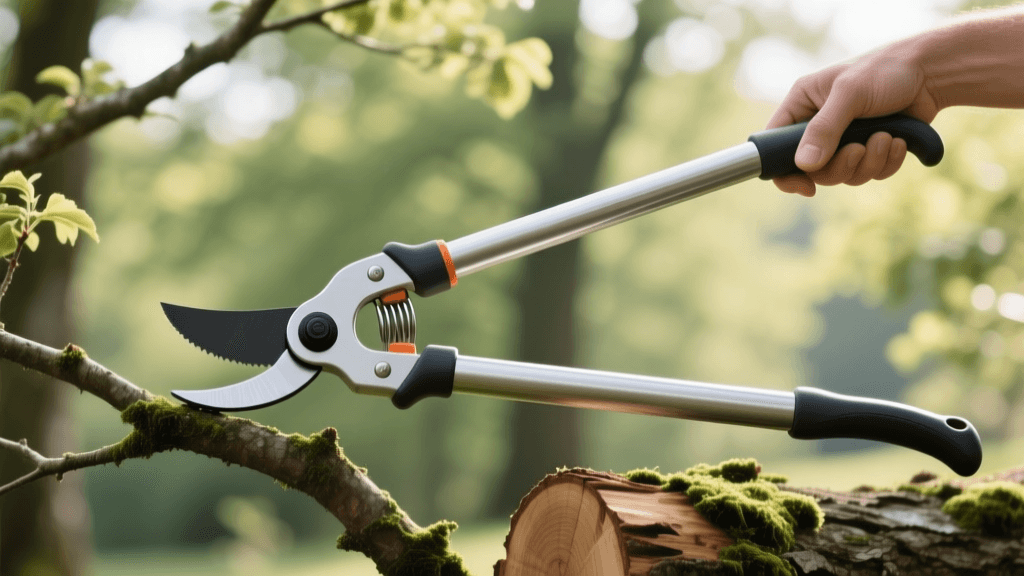
Best Pole Pruners for Safe and Effective Tree Care
Why Invest in a Quality Pole Pruner?
Maintaining the health, structure, and aesthetics of your landscape trees requires regular pruning. However, reaching high branches often presents a significant challenge and a major safety hazard for homeowners. Using a ladder while wielding a hand saw or chainsaw is a recipe for severe injury. This is where a high-quality pole pruner becomes an indispensable tool in your tree care arsenal. Pole pruners allow you to keep both feet firmly planted on the ground while safely removing dead, diseased, or overgrown branches up to 15 feet or higher. Whether you are managing a small suburban yard or a sprawling rural property, selecting the right pole pruner will save you time, reduce physical strain, and promote the long-term health of your trees.
Types of Pole Pruners Explained
Before making a purchase, it is crucial to understand the different categories of pole pruners available on the market. Each type caters to specific needs, branch sizes, and user preferences.
Manual Pole Pruners
Manual pole pruners rely on human power and typically feature either a bypass lopper head or a pruning saw blade attached to an extended pole. Some models utilize a pulley and rope system to multiply your pulling force, allowing you to cut through thicker branches. These tools are exceptionally lightweight, quiet, and require no fuel or batteries. They are ideal for precision cuts on smaller branches (up to 2 inches in diameter) and are perfect for homeowners who prioritize a peaceful, eco-friendly gardening experience.
Corded Electric Pole Pruners
Corded models feature a miniature chainsaw head powered by an electrical cord. They offer continuous, unlimited runtime and are generally lighter than their battery-powered or gas counterparts. However, you are tethered to an outlet, which severely limits your range and requires careful cord management to avoid accidentally cutting the power line. These are best suited for smaller properties where an outdoor outlet is easily accessible.
Cordless (Battery-Powered) Pole Pruners
Cordless pole pruners have surged in popularity due to advancements in lithium-ion battery technology. They offer an excellent balance of power, mobility, and convenience. Ranging from 20V to 80V systems, they can easily handle branches up to 6 inches thick. While they are heavier than manual options and require battery management, the freedom of movement and reduced noise make them the top choice for most modern homeowners.
Gas-Powered Pole Pruners
Gas-powered models are the heavy-duty workhorses of the tree care industry. They deliver maximum torque and can run continuously as long as you have fuel. However, they are significantly heavier, louder, and require regular maintenance, including mixing gas and oil, changing spark plugs, and cleaning air filters. These are generally recommended for professional arborists or property owners with extensive acreage and thick, stubborn timber.
Feature Comparison Chart
To help you visualize the differences, here is a quick comparison of the primary pole pruner types:
| Pruner Type | Power Source | Ideal Branch Size | Weight Profile | Best Application |
|---|---|---|---|---|
| Manual | Human (Pulley/Rope) | Up to 2 inches | Very Light | Precision cuts, quiet zones |
| Corded Electric | Wall Outlet (120V) | Up to 6 inches | Light to Medium | Small yards near outlets |
| Cordless Battery | Lithium-Ion (20V-80V) | Up to 8 inches | Medium | Standard residential use |
| Gas-Powered | 2-Cycle Gas/Oil Mix | Up to 10+ inches | Heavy | Commercial, large acreage |
Crucial Features to Evaluate
Once you have decided on a power source, you must evaluate the specific design features that will impact your cutting efficiency and safety.
Blade Type: Bypass vs. Anvil
For manual pole pruners and lopper attachments, the blade design is critical. Bypass blades operate like scissors, with two curved blades passing each other to create a clean, precise cut. This is the preferred choice for live, green wood, as it prevents crushing the plant tissue and promotes faster healing. Anvil blades feature a single sharp blade that closes against a flat, softer surface. While they provide more crushing power for dead, dry wood, they can damage live branches and should be avoided for general tree health maintenance.
Pole Material
The material of the extension pole dictates the tool's weight, durability, and safety profile. Aluminum poles are lightweight and affordable but conduct electricity, making them extremely dangerous if you are working anywhere near overhead power lines. Fiberglass poles are slightly heavier but are non-conductive, offering a much safer alternative for residential areas. Wood poles are traditional and durable but tend to be the heaviest and can degrade over time if left exposed to the elements.
Telescoping vs. Fixed Length
Telescoping poles allow you to adjust the reach of your tool, typically extending from 8 feet to 15 feet. This versatility is highly recommended, as it allows you to shorten the pole for better leverage and control when cutting lower, thicker branches, and extend it for high canopy work. Fixed-length poles are generally sturdier and lighter but lack this adaptability.
Safety First: Best Practices and Gear
Tree pruning inherently involves risks, including falling branches, tool kickback, and proximity to utility lines. Always wear appropriate Personal Protective Equipment (PPE). This includes ANSI Z87.1-rated safety glasses, a hard hat, heavy-duty leather gloves, and sturdy boots. If you are using a powered pole pruner with a chainsaw head, chainsaw chaps and hearing protection are mandatory.
Never operate a pole pruner near overhead power lines. The general safety rule is to maintain a minimum distance of 10 feet from any utility lines. If a tree is growing into or near power lines, do not attempt to prune it yourself; contact your local utility company or a certified arborist to handle the job safely.
Proper Pruning Techniques for Tree Health
Having the right tool is only half the battle; knowing how to use it correctly is essential for the tree's long-term health. According to experts at Penn State Extension, proper pruning cuts should be made just outside the branch collar—the swollen area where the branch meets the trunk. Cutting flush with the trunk or leaving a long stub can lead to decay, disease, and structural weakness.
Timing is equally important. The University of Minnesota Extension recommends pruning most deciduous trees during late winter or early spring while they are still dormant. Pruning during dormancy allows you to see the tree's structure clearly and encourages rapid wound closure once the spring growth cycle begins. Avoid heavy pruning in late summer, as this can stimulate new growth that will not have time to harden off before winter frosts.
When removing heavy limbs with a saw attachment, use the three-cut method to prevent the bark from tearing down the trunk. First, make an undercut about a foot away from the trunk. Second, cut from the top down, slightly further out than the undercut, allowing the branch to fall safely. Finally, make the finishing cut just outside the branch collar.
Maintenance and Storage
To ensure your pole pruner lasts for years, regular maintenance is required. After every use, wipe down the blades with a rag soaked in rubbing alcohol or a specialized sap cleaner to remove sticky tree resin. For manual bypass blades, apply a light coat of machine oil to the pivot point to prevent rust and ensure smooth operation. Sharpen the blades annually using a fine file or whetstone, maintaining the original factory bevel.
For powered models, check the chain tension before every use. A loose chain can derail and cause severe injury. Ensure the bar and chain oil reservoir is filled with high-quality chain oil, and never run the tool dry. At the end of the season, clean the air filter, drain the fuel (for gas models), and store the tool in a dry, climate-controlled environment to protect the internal components and battery life.
Conclusion
Choosing the best pole pruner for your tree care needs comes down to evaluating your property size, the thickness of the branches you need to cut, and your comfort level with different power sources. By investing in a quality tool, prioritizing safety, and following proper pruning techniques, you can maintain a beautiful, healthy landscape without ever having to climb a dangerous ladder. Equip yourself with the right knowledge and the right gear, and your trees will thrive for decades to come.