Lawn Care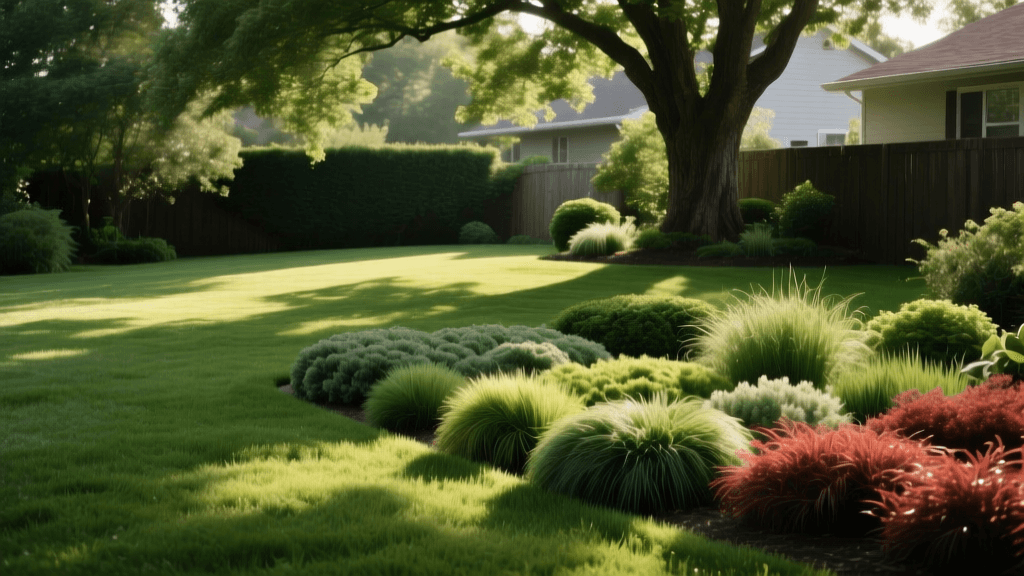
Best Shade-Tolerant Grass Species for Cool and Warm Climates
The Challenge of Growing Turfgrass in the Shade
Shade is widely considered the most difficult environmental challenge in lawn care. Most traditional turfgrass species require a minimum of six to eight hours of direct, unfiltered sunlight to maintain vigorous growth, deep rooting, and natural disease resistance. When lawns are subjected to the dense canopies of mature oak, maple, or pine trees, the grass not only suffers from reduced photosynthesis but also faces intense competition for water and soil nutrients. According to turfgrass experts at Penn State Extension, selecting the correct shade-tolerant species and specific cultivars is the single most important decision a homeowner can make when establishing or renovating a shaded landscape.
This comprehensive guide breaks down the best shade-tolerant grass species for both cool-season and warm-season climate zones, providing actionable advice on seeding rates, product selections, and specialized maintenance routines required to keep a shaded lawn thriving.
Top Cool-Season Grass Species for Shaded Lawns
Cool-season grasses thrive in northern climates and the transition zone, growing most actively during the cool temperatures of spring and fall. When dealing with shade in these regions, you must look beyond standard Kentucky bluegrass, which is notoriously intolerant of low-light conditions.
Fine Fescues: The Ultimate Shade Champions
The fine fescue family (which includes creeping red fescue, Chewings fescue, hard fescue, and sheep fescue) is the undisputed king of cool-season shade tolerance. These grasses feature narrow, needle-like blades that require significantly less light energy to sustain cellular functions. Fine fescues excel in dry shade, a common condition beneath large deciduous trees where the canopy intercepts rainfall.
- Recommended Cultivars: 'Shadow II', 'Reliant IV', and 'Beacon'.
- Seeding Rate: 5 to 8 pounds per 1,000 square feet.
- Product Recommendation: Jonathan Green Black Beauty Shady Nooks Grass Seed or Pennington Smart Seed Dense Shade Mix (which blends fine fescues with a small percentage of shade-tolerant perennial ryegrass for rapid erosion control).
- Estimated Cost: $8.00 to $12.00 per pound of premium seed.
Tall Fescue: The Durable, Deep-Rooted Alternative
While not quite as shade-tolerant as fine fescues, modern turf-type tall fescues offer superior durability, making them ideal for shaded lawns that experience moderate foot traffic from children or pets. Tall fescue boasts a massive, deep root system that allows it to access moisture deep in the soil profile, bypassing the shallow, competitive roots of surface-feeding trees.
- Recommended Cultivars: 'RTF' (Rhizomatous Tall Fescue), 'Titan Rx', and 'Kitty Hawk 2000'.
- Seeding Rate: 6 to 9 pounds per 1,000 square feet.
- Mowing Height: 3.0 to 4.0 inches. Taller mowing is critical in the shade to maximize the leaf surface area available for capturing limited sunlight.
Top Warm-Season Grass Species for Shaded Lawns
Warm-season grasses dominate the southern United States, thriving in summer heat but often struggling when planted beneath the canopies of southern pines or live oaks. Resources from Texas A&M AgriLife Extension emphasize that warm-season lawns in the shade require meticulous cultivar selection, as generic sod varieties will quickly thin out and succumb to fungal diseases.
St. Augustinegrass: The Southern Shade Standard
St. Augustinegrass is the most shade-tolerant of all warm-season species. It features a coarse texture and a stoloniferous growth habit (spreading via above-ground runners) that allows it to creep into shaded pockets and recover from minor damage. However, it is highly susceptible to chinch bugs and requires careful irrigation management.
- Recommended Cultivars: 'Palmetto', 'Sapphire', and 'Seville'. 'Palmetto' is particularly renowned for its performance in partial shade and its slightly finer texture.
- Establishment Method: Sod or plugs. St. Augustinegrass does not produce viable seed for commercial lawns.
- Estimated Cost: $0.45 to $0.75 per square foot for premium sod.
Zoysiagrass: The Refined, Drought-Tolerant Option
Zoysiagrass is generally known for its sun-loving nature, but specific cultivars of Zoysia matrella have been bred specifically for enhanced shade tolerance. Zoysia provides a lush, carpet-like appearance and requires far less nitrogen fertilizer than St. Augustinegrass, reducing the risk of disease outbreaks in damp, shaded areas.
- Recommended Cultivars: 'Zeon', 'Zorro', and 'Empire' (moderate shade tolerance).
- Establishment Method: Sod or sprigs. Zoysia establishes slowly from seed, making sod the preferred choice for immediate results.
- Maintenance Note: Zoysia is prone to thatch buildup. Annual dethatching or core aeration is mandatory, even in shaded environments.
Species Comparison Chart
The following table summarizes the key characteristics of the top shade-tolerant species to help you make an informed purchasing decision.
| Grass Species | Climate Zone | Min. Daily Sunlight | Traffic Tolerance | Establishment Method |
|---|---|---|---|---|
| Fine Fescue | Cool-Season | 3 - 4 Hours | Low | Seed |
| Tall Fescue | Cool-Season / Transition | 4 - 5 Hours | High | Seed / Sod |
| St. Augustinegrass | Warm-Season | 4 - 5 Hours | Moderate | Sod / Plugs |
| Zoysiagrass (Matrella) | Warm-Season | 5 - 6 Hours | High | Sod / Sprigs |
Actionable Site Preparation and Seeding Guide
Selecting the right seed is only half the battle. Shaded environments require specialized site preparation to ensure the new grass can compete with established tree root systems.
Managing Tree Root Competition and Soil Prep
Before seeding or laying sod, you must address the soil environment. Trees are aggressive competitors that hoard soil moisture and nutrients. To prepare a shaded seedbed:
- Core Aeration: Rent a walk-behind core aerator and make two perpendicular passes over the shaded area. This pulls 3-inch soil plugs to the surface, relieving compaction caused by tree roots and allowing water to penetrate deeply.
- Topdressing with Compost: Apply a thin layer (about 1/4 inch) of screened, organic compost over the aerated area. This introduces beneficial microbes and improves moisture retention without smothering the tree roots. Avoid adding thick layers of topsoil, which can suffocate the feeder roots of mature oaks and maples.
- Canopy Pruning: Hire a certified arborist to 'crown raise' or 'thin' the lower branches of surrounding trees. Removing the lowest 20% of the canopy allows crucial morning sunlight to reach the turf, which is vital for drying dew and preventing fungal pathogens.
Adjusting Irrigation and Fertilization for Shade
Grass growing in the shade has vastly different metabolic and nutritional needs compared to grass in full sun. According to turf management guidelines published by NC State TurfFiles, shaded lawns require a distinct approach to water and fertilizer:
- Reduce Nitrogen by 50%: Shaded grass grows slower and requires less energy. Applying standard full-sun fertilizer rates (e.g., 4 lbs of nitrogen per 1,000 sq ft annually) will force the grass to produce lush, weak, and elongated leaf tissue. This makes the turf highly susceptible to shade-loving diseases like powdery mildew, rust, and brown patch. Limit nitrogen applications to 1 to 1.5 lbs per 1,000 sq ft annually.
- Water Deeply, But Less Frequently: Shaded lawns lose less water to evaporation than sunny lawns. However, when you do water, apply at least 0.5 inches of moisture to encourage deep rooting. Water exclusively in the early morning (between 4:00 AM and 8:00 AM). Evening watering in shaded areas guarantees prolonged leaf wetness, virtually ensuring a fungal disease outbreak.
- Fungicide Preventative Measures: If your shaded lawn has a history of dollar spot or brown patch, apply a preventative systemic fungicide containing active ingredients like propiconazole or myclobutanil in early spring and late fall when moisture levels are highest.
When to Consider Alternative Groundcovers
It is crucial to recognize the biological limits of turfgrass. If an area of your property receives less than three hours of filtered sunlight per day, or is subjected to 'deep shade' beneath dense evergreen canopies, even the most advanced fine fescue cultivars will eventually fail. In these extreme low-light scenarios, homeowners should pivot away from traditional lawn care and embrace shade-loving groundcovers. Excellent, low-maintenance alternatives include Liriope (monkey grass), Pachysandra, Vinca minor (periwinkle), and various hosta varieties. These plants are specifically adapted to forest-floor conditions and will provide a lush, green aesthetic without the perpetual struggle of forcing turfgrass to grow in the dark.