Home & Garden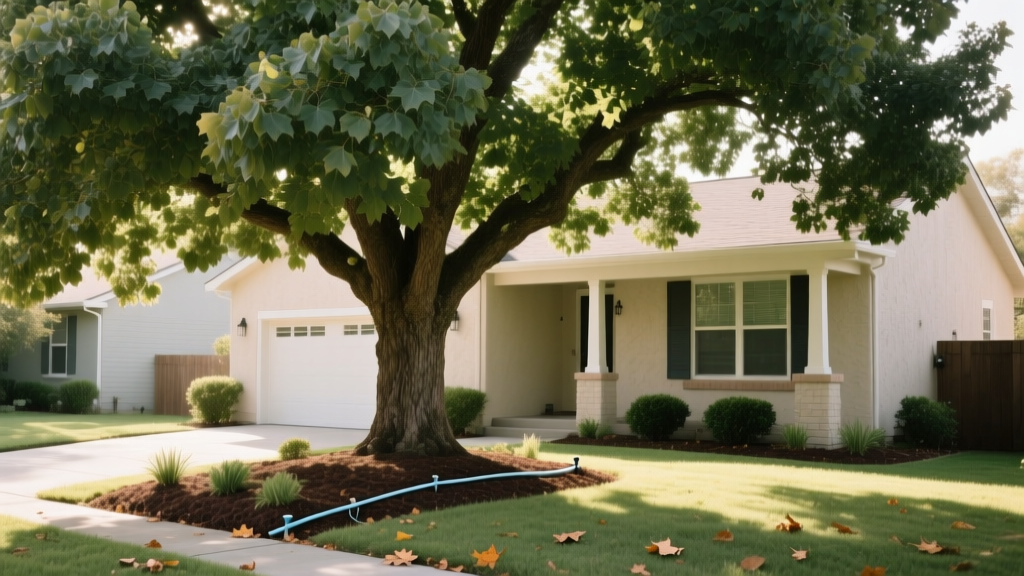
Best Shade Tree Species for Energy-Efficient Home Cooling
Anna KowalskiPublished
The Science Behind Tree Shade and Energy Conservation
As summer temperatures continue to rise and energy costs fluctuate, homeowners are increasingly turning to energy-efficient landscaping to naturally cool their homes. Selecting the right tree species is not just about curb appeal; it is a strategic investment in your home's thermal envelope. According to the Environmental Protection Agency (EPA), tree-shaded neighborhoods can experience daytime summer air temperatures that are up to 6°F cooler than treeless areas. This cooling effect is driven by two primary mechanisms: direct shading and evapotranspiration.
Shading blocks solar radiation from striking your roof, windows, and paved surfaces, preventing heat absorption. Evapotranspiration, the process by which trees release water vapor through their leaves, actively cools the surrounding air, much like a natural misting system. The U.S. Department of Energy notes that carefully positioned trees can save up to 25% of a household's energy consumption for heating and cooling. However, achieving these savings requires meticulous variety and species selection tailored to your specific climate, soil conditions, and property layout.
Understanding Hardiness Zones and Microclimates
Before purchasing any tree, you must identify your USDA Plant Hardiness Zone. This map divides North America into zones based on the average annual extreme minimum winter temperature. Selecting a species rated for your zone ensures the tree will survive winter freezes. However, you must also consider your yard's microclimates. South-facing walls radiate heat and create hotter, drier soil conditions, while low-lying areas may collect frost or suffer from poor drainage. Choose drought-tolerant species for hot, exposed areas and moisture-loving species for natural depressions in your landscape.
Top Deciduous Tree Species for Summer Cooling
Deciduous trees are the cornerstone of energy-efficient landscaping. Their broad leaves provide dense, cooling shade during the hottest months of the year, and they drop their leaves in the autumn, allowing the winter sun to penetrate your windows and naturally warm your home. When selecting varieties, prioritize those with broad, umbrella-like canopies and resistance to local pests and diseases.
1. Red Maple (Acer rubrum)
The Red Maple is a staple in North American landscapes due to its rapid growth rate and brilliant fall foliage. For energy-efficient shading, look for specific cultivars like 'Red Sunset' or 'October Glory'. These varieties offer a dense, oval-to-rounded canopy that casts deep shade. Red Maples thrive in slightly acidic, moist soils and are highly adaptable to urban environments. They typically reach a mature height of 40 to 60 feet with a spread of 30 to 40 feet, making them ideal for shading two-story homes.
2. Hackberry (Celtis occidentalis)
If your landscape suffers from poor soil, drought, or high winds, the Hackberry is an exceptionally tough choice. Often overlooked for flashier species, the Hackberry develops a broad, rounded crown that provides excellent dappled shade. It is highly resistant to urban pollution and requires minimal maintenance once established. Its deep root system makes it a safe choice for planting near driveways or sidewalks, as it is less likely to cause surface heaving compared to shallow-rooted species like the Silver Maple.
3. London Planetree (Platanus × acerifolia)
A hybrid of the American Sycamore and the Oriental Planetree, the London Planetree is renowned for its massive size and incredible tolerance to urban smog and compacted soils. The 'Bloodgood' cultivar is particularly popular due to its high resistance to anthracnose, a common fungal disease. With a mature height of 75 to 100 feet and an equally massive spread, this tree is strictly for large properties. A single, well-placed London Planetree can shade an entire roof and driveway, drastically reducing the urban heat island effect on your property.
4. Northern Catalpa (Catalpa speciosa)
For homeowners seeking rapid shade, the Northern Catalpa is a powerhouse. It features enormous, heart-shaped leaves that create a dense, heavy canopy. Growing up to 24 inches per year in its youth, it provides significant cooling benefits much faster than slower-growing hardwoods. It thrives in a variety of soil types, including heavy clay, and produces beautiful, orchid-like white flowers in late spring that attract pollinators.
Selecting Evergreen Species for Winter Windbreaks
While deciduous trees handle summer cooling, evergreen trees are vital for winter energy conservation. By planting dense evergreen windbreaks on the north and northwest sides of your property, you can deflect freezing winter winds away from your home, reducing heating costs and preventing cold air infiltration through windows and doors. The Arbor Day Foundation highlights that a well-designed windbreak can reduce winter heating bills by 10% to 25%.
1. Eastern Redcedar (Juniperus virginiana)
The Eastern Redcedar is a native evergreen that forms a dense, wind-blocking wall. It is incredibly drought-tolerant, thrives in poor soils, and provides excellent year-round privacy. When planted in a staggered double row, it creates an impenetrable barrier against harsh northern winds.
2. Colorado Blue Spruce (Picea pungens)
Known for its striking silvery-blue needles, the Colorado Blue Spruce is a classic windbreak tree. It features a rigid, pyramidal shape and dense branching that extends all the way to the ground, making it highly effective at blocking low-drifting snow and wind. It prefers full sun and well-drained soil.
Species Selection and Placement Comparison Chart
| Species / Cultivar | Type | Mature Height | Canopy Spread | Growth Rate | USDA Zones | Best Placement |
|---|---|---|---|---|---|---|
| Red Maple ('Red Sunset') | Deciduous | 40-60 ft | 30-40 ft | Medium-Fast | 4-8 | East / West sides |
| Hackberry | Deciduous | 40-60 ft | 40-50 ft | Medium | 3-9 | West / Southwest |
| London Planetree ('Bloodgood') | Deciduous | 75-100 ft | 50-80 ft | Fast | 5-9 | Large open lawns |
| Northern Catalpa | Deciduous | 40-60 ft | 20-40 ft | Fast | 4-8 | West side / Patios |
| Eastern Redcedar | Evergreen | 40-50 ft | 8-20 ft | Medium | 2-9 | North / Northwest |
| Colorado Blue Spruce | Evergreen | 50-75 ft | 15-25 ft | Slow-Medium | 2-7 | North windbreaks |
Strategic Placement and Spacing Guidelines
Selecting the right species is only half the battle; proper placement dictates your actual energy savings. To maximize summer cooling, plant large deciduous trees on the east and west sides of your home. The west side is particularly critical, as it blocks the intense, low-angle afternoon sun that causes the most significant indoor heat gain. For smaller trees or shrubs, target the areas directly outside your air conditioning condenser unit. Shading the AC unit can increase its efficiency by up to 10%, provided you leave at least 3 feet of clearance for airflow and maintenance.
Spacing is equally vital to protect your home's foundation. Large shade trees should be planted at least 15 to 20 feet away from the house. This distance prevents aggressive root systems from damaging underground plumbing or the foundation itself, while still allowing the canopy to overhang the roofline slightly for optimal shade. For evergreen windbreaks, plant them on the north and northwest sides of your property. The ideal distance for a windbreak is 2 to 3 times the mature height of the tree away from the home to create a protected zone of calm air.
Budgeting: Costs for Trees and Professional Planting
When budgeting for energy-efficient landscaping, consider both the material and labor costs. Trees are typically sold in three formats:
- Container-Grown (15-gallon): These trees are usually 6 to 10 feet tall and cost between $120 and $250. They establish quickly and are easy to transport and plant yourself.
- Balled and Burlapped (B&B): Featuring a 2-inch to 3-inch trunk caliper, these trees cost between $250 and $500. They are heavy and often require professional equipment to move.
- Professional Planting Labor: Hiring a certified arborist or landscaping crew to plant a large B&B tree typically adds $150 to $350 per tree, which often includes a one-year survival warranty.
While the upfront cost of planting three large shade trees might range from $1,000 to $2,000, the reduction in annual HVAC costs can yield a return on investment within 5 to 8 years, not to mention the significant boost to your property's resale value.
Planting Depth and Long-Term Maintenance
Even the most carefully selected species will fail to provide shade if planted incorrectly. The most common mistake homeowners make is planting trees too deep. Always locate the root flare—the point where the trunk widens at the base and meets the roots. The root flare must be level with or slightly above the surrounding soil grade. Dig the planting hole two to three times wider than the root ball to encourage lateral root growth, but no deeper than the root ball itself.
After backfilling with native soil, apply a 2 to 4-inch layer of organic mulch (such as shredded hardwood or pine bark) in a wide donut shape around the tree. Never pile mulch against the trunk (a practice known as 'volcano mulching'), as this traps moisture and invites rot and pests. During the first two growing seasons, provide deep, infrequent watering—approximately 10 to 15 gallons per week—to help the tree establish a deep, drought-resistant root system. With proper species selection, strategic placement, and attentive early care, your landscape will become a powerful, living tool for home energy conservation.
