Home & Garden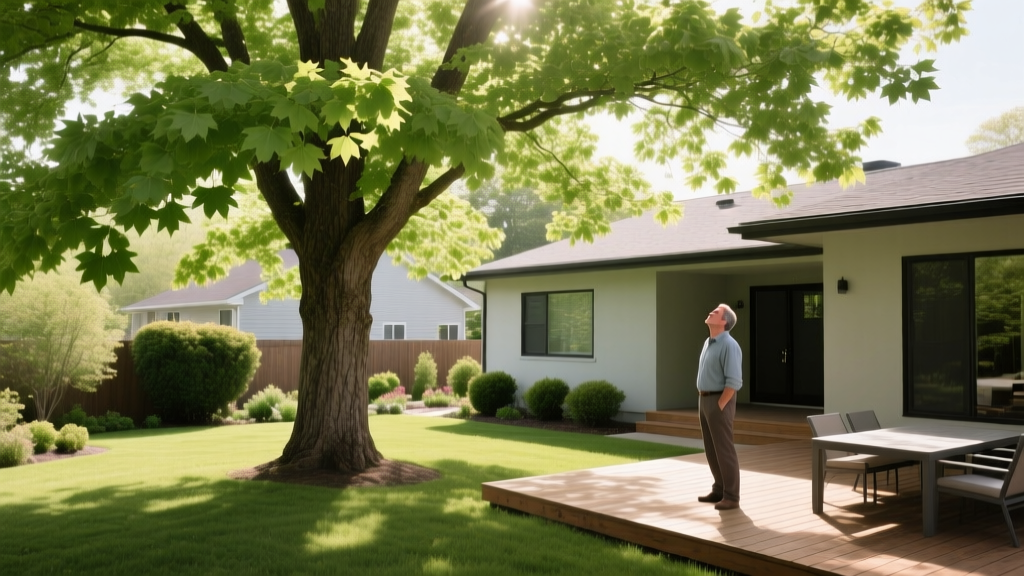
Best Shade Tree Species for Energy-Efficient Home Cooling
Sarah ChenPublished
The Power of Strategic Tree Selection
As global temperatures rise and summer energy costs continue to climb, homeowners are increasingly looking for passive ways to keep their homes cool. While upgrading insulation and installing smart thermostats are excellent steps, one of the most effective—and aesthetically pleasing—methods for reducing cooling costs lies right outside your door. Strategic landscaping, specifically the careful selection and placement of shade trees, can dramatically lower your home's ambient temperature and reduce air conditioning usage.
However, not all trees are created equal when it comes to energy conservation. Choosing the right species and specific cultivars requires a deep understanding of canopy density, growth rates, mature dimensions, and seasonal leaf drop. By bridging the gap between horticulture and home energy efficiency, you can create a lush, vibrant outdoor living space that pays for itself in utility savings.
The Science of Shade and Evapotranspiration
Trees cool the environment through two primary mechanisms: physical shading and evapotranspiration. Physical shading blocks solar radiation from striking your roof, windows, and paved surfaces, preventing those materials from absorbing and radiating heat into your home. Meanwhile, evapotranspiration is the process by which trees release water vapor through their leaves, which naturally cools the surrounding air.
According to the U.S. Department of Energy's Energy Saver program, carefully positioned trees can save up to 25% of a household's energy consumption for cooling. In fact, shaded neighborhoods can be up to 6°F cooler than unshaded areas during peak summer afternoons. This localized microclimate effect means your air conditioner doesn't have to work as hard to pull in hot exterior air, extending the lifespan of your HVAC system and lowering your monthly bills.
Key Criteria for Choosing Energy-Saving Trees
Before purchasing a tree from your local nursery, it is crucial to evaluate species based on several functional criteria. The University of Minnesota Extension emphasizes that matching the tree's mature characteristics to your specific site conditions is the most critical step in long-term landscaping success.
Deciduous vs. Evergreen
For home cooling, deciduous trees are the undisputed champions. During the summer, their dense canopies provide deep, cooling shade. In the winter, they drop their leaves, allowing the sun's low-angle rays to penetrate your windows and provide passive solar heating. Evergreens, while excellent for winter windbreaks, will block valuable winter sunlight if planted on the south or west sides of your home.
Canopy Density and Shape
A tree with a broad, spreading canopy will shade more of your home's exterior walls and roof than a tree with a narrow, columnar habit. Look for species described as having a 'rounded', 'oval', or 'spreading' form. Additionally, consider the density of the foliage; trees with thicker leaf cover will block more solar radiation.
Root Systems and Infrastructure
Fast-growing trees often come with aggressive surface roots that can damage foundations, driveways, and underground irrigation systems. It is generally better to select a moderate-growing species with a well-behaved root system, ensuring your energy-saving investment doesn't become a structural liability.
Top Shade Tree Species for Home Cooling
The following table compares some of the most effective deciduous shade trees for residential energy conservation, balancing growth rate, mature size, and environmental adaptability.
| Species | Botanical Name | Mature Height | Canopy Spread | Growth Rate | Best Feature |
|---|---|---|---|---|---|
| Red Maple | Acer rubrum | 40-60 ft | 30-50 ft | Medium-Fast | Vibrant fall color, highly adaptable |
| Tulip Tree | Liriodendron tulipifera | 70-90 ft | 30-50 ft | Fast | Massive shade, unique foliage |
| Ginkgo (Male) | Ginkgo biloba | 50-75 ft | 35-50 ft | Slow-Medium | Pest/disease resistant, urban tolerant |
| American Sycamore | Platanus occidentalis | 75-100 ft | 50-70 ft | Fast | Massive canopy, striking bark |
| Northern Catalpa | Catalpa speciosa | 40-60 ft | 20-40 ft | Fast | Drought tolerant, large leaves |
Detailed Species Profiles
Red Maple (Acer rubrum)
The Red Maple is a staple of the American landscape, prized for its rapid growth and spectacular autumn foliage. For energy-efficient shading, cultivars like 'Red Sunset' or 'October Glory' are highly recommended. These varieties develop a dense, oval-to-rounded canopy that casts deep shade during the hottest months of July and August. Red Maples are highly adaptable to various soil types, though they prefer slightly acidic, well-draining loam. They typically reach a functional shading size within 7 to 10 years of planting.
Tulip Tree (Liriodendron tulipifera)
If you have a larger property and need to shade a multi-story home, the Tulip Tree is an exceptional choice. As the state tree of Indiana, Kentucky, and Tennessee, this native giant grows remarkably fast—often adding 2 to 3 feet of height per year in its youth. Its unique, four-lobed leaves create a dappled but highly effective shade canopy. Because of its massive mature height, it should be planted at least 20 feet away from the home to accommodate its deep, fleshy root system and towering profile.
Ginkgo (Ginkgo biloba - Male Cultivars Only)
The Ginkgo is a living fossil, virtually immune to the pests and diseases that plague other urban trees. It thrives in compacted soils and tolerates urban pollution beautifully. However, when selecting a Ginkgo for your landscape, it is absolutely critical to purchase grafted male cultivars such as 'Autumn Gold' or 'Princeton Sentry'. Female trees produce a fruit that emits a highly unpleasant odor when it drops in autumn. Male varieties provide brilliant, fan-shaped golden leaves in the fall and a reliable, spreading canopy for summer shade without the messy cleanup.
Strategic Placement for Maximum Cooling
Selecting the right species is only half the battle; placement dictates your actual energy savings. The sun's most intense heat strikes the east and west sides of your home during the morning and late afternoon, respectively. South-facing windows receive high-angle summer sun, which is easily blocked by roof overhangs, but low-angle winter sun, which is desirable for heating.
'Strategically planted trees can reduce a home's air conditioning needs by up to 30 percent, making species selection and placement one of the highest-ROI landscaping investments a homeowner can make.'
- West-Facing Walls: Plant dense, broad-canopied trees like the Red Maple 15 to 20 feet from the west side of your home to block the brutal late-afternoon sun.
- East-Facing Windows: Use slightly smaller or more open-canopied trees to provide morning shade without completely darkening your interior living spaces.
- Air Conditioning Units: Shading your outdoor AC condenser can improve its efficiency by up to 10%. Plant shrubs or small trees at least 3 feet away from the unit to ensure adequate airflow and maintenance access.
Soil Preparation, Planting, and Establishment
To ensure your energy-saving trees reach their mature canopy potential quickly, proper planting technique is essential. The Arbor Day Foundation stresses that the majority of tree failures in the first three years are due to improper planting depth and poor watering habits.
Digging the Hole
Measure the height and width of the tree's root ball. Dig a hole that is two to three times wider than the root ball to encourage lateral root growth, but no deeper than the root ball itself. The root flare—the point where the trunk widens at the base and roots begin to spread—must be slightly above the surrounding soil grade. Planting too deep is a leading cause of trunk rot and premature tree death.
Watering and Mulching
Newly planted shade trees require consistent, deep watering to establish their root systems. Provide 10 to 15 gallons of water per week during the first two growing seasons, applying it slowly at the drip line. Apply a 2-to-3-inch layer of organic wood mulch in a wide ring around the tree to retain soil moisture and regulate ground temperature. Crucially, keep the mulch at least 3 inches away from the trunk to prevent 'volcano mulching,' which invites fungal pathogens and rodent damage.
Financial Considerations
Investing in high-quality shade trees yields significant returns. A 15-gallon nursery tree (typically 6 to 8 feet tall) costs between $150 and $300, plus delivery and planting fees. A larger, 3-inch caliper balled-and-burlapped specimen can range from $400 to $800. While the upfront cost is notable, the U.S. Department of Energy estimates that three well-placed mature trees can save an average household between $100 and $250 annually in energy costs, meaning the trees will pay for themselves in less than a decade while simultaneously increasing your property's resale value.
Conclusion
Integrating energy-efficient landscaping into your outdoor living design is a smart, sustainable choice. By carefully selecting deciduous shade tree species like the Red Maple, Tulip Tree, or male Ginkgo cultivars, and placing them strategically to block intense solar radiation, you can transform your garden into a functional asset. Not only will you cultivate a beautiful, shaded oasis for outdoor relaxation, but you will also build a natural, living shield that protects your home from rising summer temperatures and energy costs for decades to come.
