Tree Care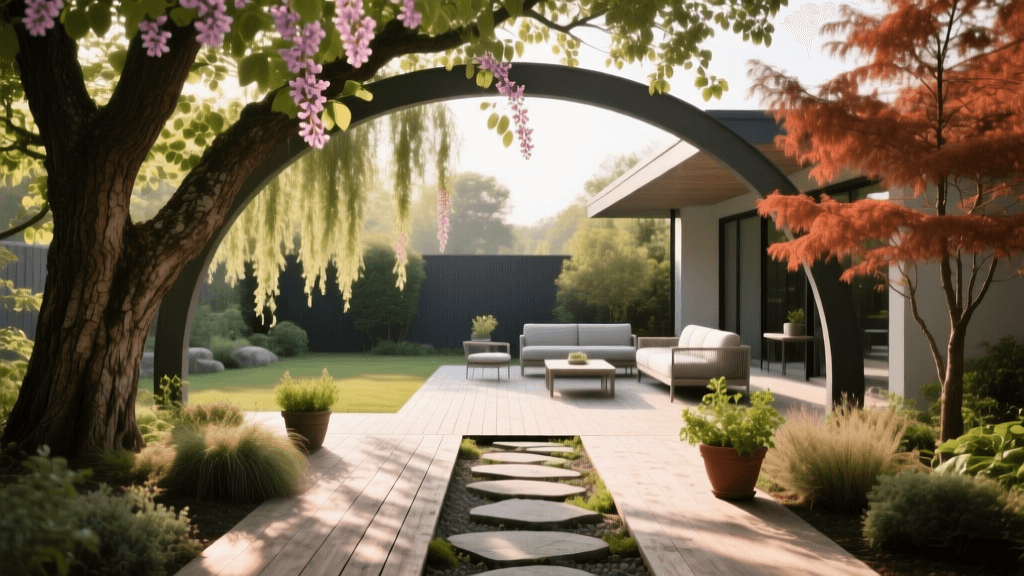
Best Shade Trees for Patios and Outdoor Entertaining
The Intersection of Curb Appeal and Outdoor Comfort
When designing an outdoor entertaining space, the hardscape and furniture often steal the spotlight. However, the most stunning patios and dining areas share a common, living architectural element: the shade tree. A well-placed canopy not only reduces ambient temperatures by 10 to 15 degrees Fahrenheit during summer gatherings but also serves as a breathtaking focal point that elevates your property's curb appeal. Whether you are hosting a lively weekend barbecue or enjoying a quiet evening with a glass of wine, the right tree transforms an exposed concrete slab into an intimate, luxurious outdoor room.
Selecting the perfect tree requires balancing aesthetics with practicality. You want dense foliage for shade, vibrant seasonal color for visual interest, and a growth habit that won't buckle your expensive pavers or drop messy sap onto your dining table. According to the Penn State Extension, careful consideration of a tree's mature size, root system, and litter potential is critical for long-term landscape success. In this guide, we will explore the best shade trees for outdoor entertaining, strategic placement techniques, and pruning methods to ensure your landscape remains both beautiful and functional.
Top Shade Trees for Patios and Dining Areas
Not all trees are created equal when it comes to outdoor living spaces. Some drop sticky sap, while others have aggressive surface roots that destroy hardscaping. Below is a comparison of four exceptional shade trees that balance beauty, manageable maintenance, and patio-friendly characteristics.
| Species | Mature Height | Canopy Spread | Debris Level | Est. Cost (15-Gallon) |
|---|---|---|---|---|
| Red Maple (Acer rubrum) | 40-60 ft | 30-50 ft | Moderate (Seeds) | $120 - $180 |
| Crape Myrtle (Lagerstroemia) | 15-25 ft | 15-20 ft | Low (Petals) | $90 - $150 |
| Serviceberry (Amelanchier) | 15-25 ft | 15-20 ft | Low (Berries) | $110 - $160 |
| Japanese Maple (Acer palmatum) | 15-25 ft | 15-20 ft | Very Low | $150 - $300 |
1. Red Maple (Acer rubrum)
If you need expansive shade for a large patio or outdoor kitchen, the Red Maple is a powerhouse. It offers a dense, oval canopy that blocks harsh afternoon sun and provides some of the most spectacular crimson fall foliage available. While it does drop helicopter seeds in the spring, it lacks the sticky sap associated with pines or certain fruit trees, making it a safe bet for areas with expensive outdoor furniture. Plant this tree at least 15 feet away from hardscapes to accommodate its mature spread and prevent root interference.
2. Crape Myrtle (Lagerstroemia indica)
Often hailed as the lilac of the South, the Crape Myrtle is a multi-stemmed marvel that offers 100 days of vibrant summer blooms in shades of pink, red, purple, and white. Its smooth, exfoliating bark provides striking winter interest, making it a year-round curb appeal booster. Because it can be pruned into an umbrella-like canopy, it is perfect for framing a dining area. The fallen flower petals are lightweight and easily swept or blown off a patio, posing no threat to outdoor rugs or cushions.
3. Serviceberry (Amelanchier x grandiflora)
For homeowners who want to attract wildlife and enjoy four-season interest, the Serviceberry is unmatched. It features elegant white spring blossoms, edible summer berries (which birds love), and brilliant orange-red fall foliage. While the berries can create minor debris, planting the tree slightly offset from the direct dining zone allows you to enjoy its beauty without dealing with messes on your plate. Its relatively small stature makes it ideal for courtyards and intimate seating nooks.
4. Japanese Maple (Acer palmatum)
When designing a Zen garden, a sophisticated cocktail lounge area, or a modern minimalist patio, the Japanese Maple is the ultimate statement piece. Its delicate, deeply lobed leaves cast a dappled, filtered shade that feels incredibly relaxing. Japanese Maples are slow-growing and have non-invasive root systems, meaning you can plant them closer to retaining walls and raised planters. They thrive in partial shade, making them perfect for patios that already receive some protection from the harsh midday sun.
Strategic Placement and Hardscape Protection
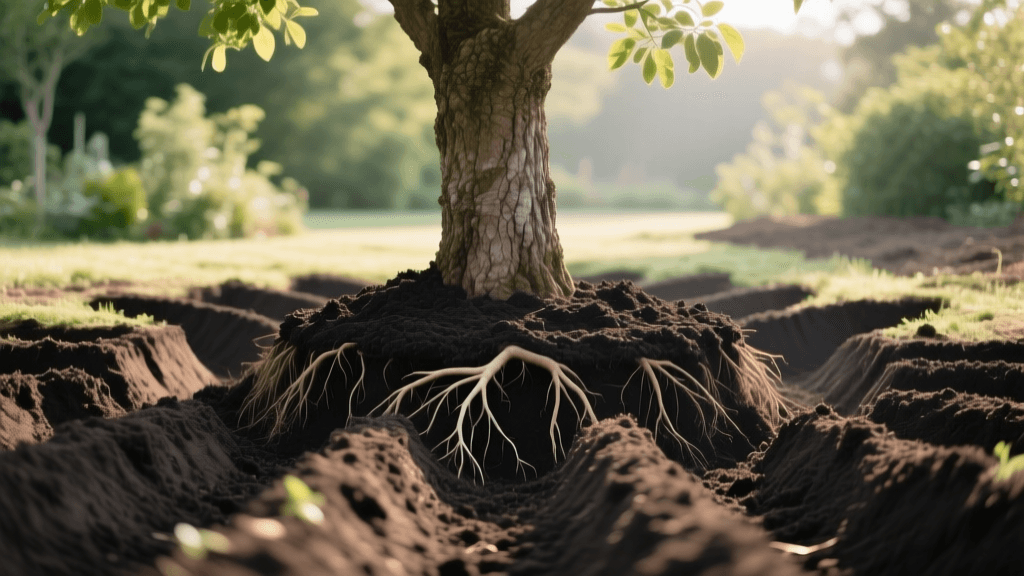
The fastest way to ruin an outdoor entertaining space is to allow tree roots to heave your pavers or crack your concrete foundation. Tree roots naturally seek out the path of least resistance and the most moisture, which often leads them directly beneath porous patio bases. To protect your investment, follow these actionable placement and installation guidelines:
- Measure the Drop Line: Always plant trees so that their mature canopy edge (the drip line) just touches or slightly overlaps the patio, rather than centering the trunk over the seating area. This provides shade while keeping the bulk of the root system and falling debris away from the center of your table.
- Install Root Barriers: When planting within 10 to 15 feet of a hardscape, install a high-density polyethylene root barrier. Products like the DeepRoot Tree Root Barrier (UB 24-2) cost approximately $80 to $120 per panel and are buried 24 inches deep to deflect roots downward rather than laterally.
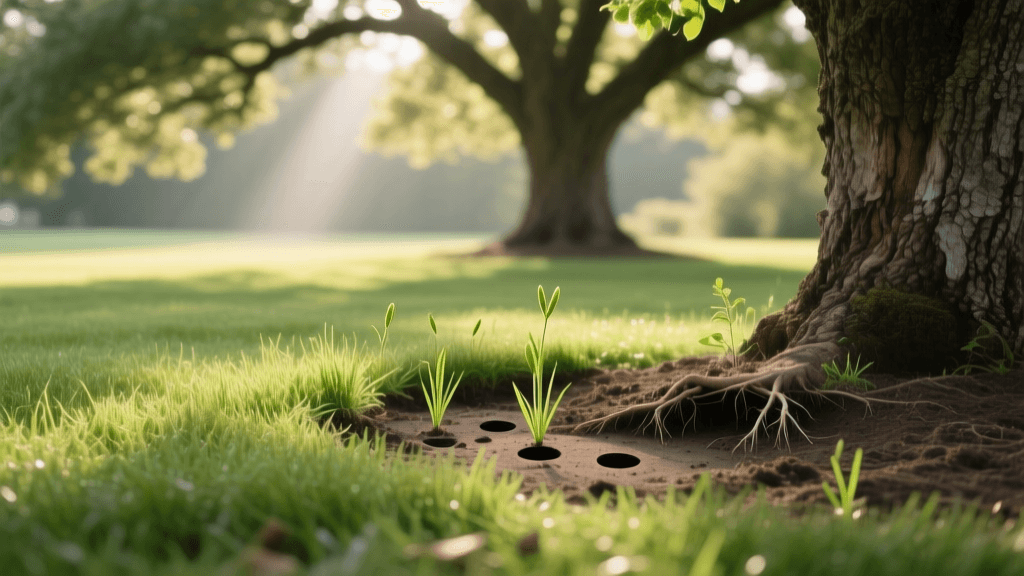
- Choose Permeable Pavers: If you are installing a new patio near existing trees, opt for permeable paver systems with gravel joints. This allows water to reach the tree's critical root zone without you having to cut through vital structural roots to install drainage.
Pruning for Patio Clearance and Aesthetics
A tree that constantly brushes against your guests' heads or blocks the view of your garden is a liability, not an asset. Proper pruning ensures your tree enhances the entertaining experience rather than hindering it. The primary technique for patio trees is crown raising—the selective removal of the lower branches to elevate the bottom of the canopy.
According to pruning guidelines published by the University of Minnesota Extension, crown raising should be done gradually over several years to avoid stressing the tree. For a comfortable outdoor dining area, aim to raise the canopy to a clearance height of 8 to 10 feet. This allows guests to walk freely beneath the tree and ensures that hanging pendant lights or patio umbrellas can be deployed without snagging on twigs.
Pro Tip: Never remove more than 25% of a tree's live foliage in a single season. Over-pruning (often mistakenly called lion's tailing) strips the interior branches, leading to sunscald on the bark and weak, brittle regrowth that is highly susceptible to storm damage.
When making cuts, always use sterilized, sharp bypass pruners or a pruning saw. Cut just outside the branch collar—the swollen area where the branch meets the trunk—to promote rapid healing and prevent decay organisms from entering the main stem. For large shade trees like the Red Maple, hiring a certified arborist every three to four years (typically costing $300 to $600 per visit) is a wise investment to maintain structural integrity and perfect sightlines.
Lighting and Seasonal Maintenance
Once your tree is planted and properly pruned, landscape lighting is the final step in maximizing curb appeal for evening entertaining. Uplighting a specimen tree creates dramatic shadows and highlights the architectural structure of the branches. Install brass LED well lights, such as the WAC Lighting InvisiLED or Kichler Pro-Series (ranging from $100 to $180 per fixture), flush with the ground about 2 to 3 feet away from the trunk. Angle the fixtures upward to wash the canopy in a warm, 2700K color temperature light, which feels inviting and flattering for outdoor gatherings.
Maintenance is the final pillar of patio tree care. To keep the entertaining area pristine, establish a seasonal mulch ring. Apply a 2-to-3-inch layer of premium hardwood bark mulch in a wide ring around the tree, keeping it at least 3 inches away from the trunk flare to prevent rot. This not only suppresses weeds and retains moisture but also gives the landscape a manicured, high-end look that impresses guests the moment they step into your backyard. By combining the right species, strategic hardscape protection, and meticulous pruning, your shade trees will serve as the ultimate backdrop for years of memorable outdoor entertaining.