Tree Care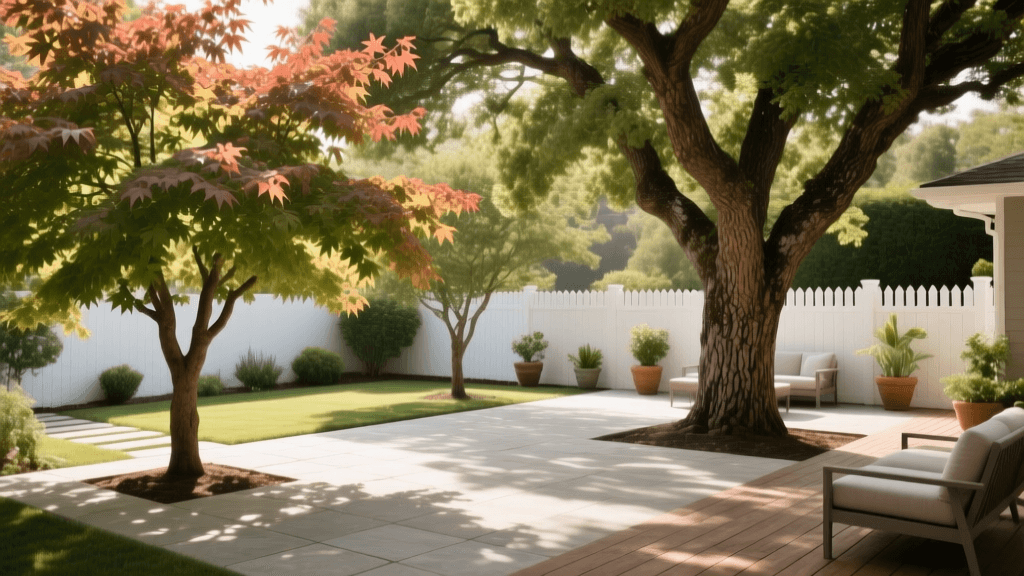
Best Shade Trees For Patios And Outdoor Entertaining
The Role of Shade Trees in Outdoor Entertaining
When designing an outdoor entertaining space, the hardscape elements like patios, pergolas, and outdoor kitchens often steal the spotlight. However, the strategic integration of shade trees is what truly transforms a sun-baked concrete slab into an inviting, luxurious retreat. Trees not only provide essential relief from the summer heat—reducing ambient patio temperatures by up to 15 degrees Fahrenheit—but they also serve as living architectural features that dramatically elevate your property's curb appeal. According to the Arbor Day Foundation, properly placed trees can also reduce home cooling costs by 15 to 50 percent, making them a functional investment as well as an aesthetic one. But selecting the right tree for a patio environment requires careful consideration of canopy density, root behavior, seasonal debris, and mature size. In this comprehensive guide, we will explore the best tree species for outdoor entertaining spaces, exact planting measurements to protect your hardscapes, and professional pruning techniques to maintain perfect sightlines for your guests.
Top Tree Species for Patio Shade and Curb Appeal
Not all trees are suitable for planting near gathering spaces. You want species that offer broad, dense canopies for maximum shade, have non-invasive root systems to protect pavers and concrete, and produce minimal messy debris that could ruin a dinner party. The Morton Arboretum recommends evaluating a tree's mature spread and growth habit before planting near hardscapes. Below is a comparison chart of the top four shade trees ideal for patio environments.
| Tree Species | Mature Height / Spread | Canopy Density | Debris Level | Est. Cost (15-Gal) |
|---|---|---|---|---|
| Red Maple (Acer rubrum) | 40-60 ft / 30-40 ft | High | Moderate (Seeds) | $120 - $180 |
| Ginkgo 'Autumn Gold' | 40-50 ft / 30-40 ft | Medium | Low (Male clone) | $150 - $220 |
| Japanese Zelkova | 50-60 ft / 40-50 ft | High | Low | $180 - $250 |
| Crape Myrtle (Natchez) | 20-30 ft / 15-25 ft | Medium | Low | $90 - $140 |
Red Maple (Acer rubrum)
The Red Maple is a staple for curb appeal, offering vibrant crimson foliage in the autumn and dense, cooling shade in the summer. For patio use, it is best planted at least 15 feet away from the seating area to accommodate its widespread canopy. While it does drop helicopter seeds in the spring, a quick sweep with a leaf blower keeps the patio pristine.
Ginkgo Biloba 'Autumn Gold'
This male cultivar of the ancient Ginkgo tree is practically bulletproof. It features stunning golden-yellow fall color and a broad, spreading canopy. Because 'Autumn Gold' is male, it does not produce the foul-smelling fruit associated with female Ginkgo trees, making it an exceptionally clean choice for outdoor dining areas.
Japanese Zelkova (Zelkova serrata)
With its distinctive vase-shaped growth habit, the Japanese Zelkova is arguably the best structural tree for patios. The vase shape naturally lifts the canopy higher off the ground, providing excellent overhead clearance for guests and tall patio umbrellas without requiring aggressive lower-limb pruning.
Crape Myrtle (Lagerstroemia 'Natchez')
For smaller patios or intimate courtyards, the 'Natchez' Crape Myrtle is unmatched. It boasts brilliant white summer blooms, exfoliating cinnamon bark for winter interest, and a manageable size that won't overwhelm a compact entertaining space.
Strategic Placement: Protecting Your Hardscapes
The most common mistake homeowners make when planting trees for curb appeal is placing them too close to patios, walkways, and retaining walls. Tree roots naturally seek out moisture and oxygen, and as they thicken, they can easily heave expensive pavers or crack stamped concrete. The University of Minnesota Extension emphasizes the importance of considering mature root spreads, which often extend two to three times beyond the drip line of the canopy.
Spacing Guidelines and Root Barriers
To protect your outdoor entertaining investment, adhere to these strict placement rules:
- Minimum Distance: Plant large shade trees (like Red Maple or Zelkova) at least 10 to 15 feet away from the edge of any hardscape. For smaller ornamental trees, a minimum distance of 6 to 8 feet is acceptable.
- Root Barriers: If space constraints force you to plant closer than 10 feet, install a commercial root barrier such as the DeepRoot UB 24-2. These heavy-duty plastic panels are buried 24 inches deep and extend above the soil line to deflect roots downward rather than outward. Expect to spend about $15 to $20 per 18-inch wide panel.
- Soil Preparation: Dig a planting hole that is two to three times wider than the root ball, but no deeper. Backfill with native soil mixed with 20% organic compost to encourage deep root establishment rather than surface rooting.
Pruning for Clearance and Sightlines
A tree planted for patio shade must be trained to allow people to walk comfortably underneath it. This technique, known as 'crown raising', involves the selective removal of the lowest branches to elevate the base of the canopy. For an outdoor entertaining space, you want to maintain a clear vertical clearance of 8 to 10 feet above the patio surface. This ensures that tall guests can walk freely, and the branches will not interfere with string lights, patio heaters, or the smoke trajectory of a barbecue grill.
Execution and Tools
Crown raising should be done gradually over several years to avoid stressing the tree. Never remove more than 25% of the live canopy in a single season.
- Assess the Branches: Identify limbs that cross over the patio or block the primary sightlines from your indoor living space to the garden.
- Make the Cut: Using a high-quality bypass lopper (such as the Corona SL 4264 for branches up to 1.5 inches thick), make a clean cut just outside the branch collar. Never leave stubs, as they invite disease and rot.
- Thinning the Canopy: To allow dappled sunlight to reach the patio and reduce wind resistance during summer storms, selectively thin out interior crossing branches. This improves air circulation and keeps the tree healthy.
Seasonal Maintenance and Lighting for Curb Appeal
Maintaining the health and aesthetic appeal of your patio trees requires a consistent seasonal schedule. Trees that are stressed by drought or poor soil conditions will drop leaves prematurely, creating a mess right in the middle of your outdoor entertaining season.
Mulching and Watering
Apply a 3-inch layer of aged hardwood mulch around the base of the tree, extending out to the drip line if possible. Crucially, keep the mulch at least 3 inches away from the trunk flare to prevent moisture buildup and fungal diseases—a technique often called the 'mulch donut'. During the peak summer entertaining months, deep water your shade trees once a week using a soaker hose, providing roughly 10 to 15 gallons of water per inch of trunk diameter.
Landscape Lighting Integration
To maximize curb appeal after the sun goes down, integrate low-voltage landscape lighting into your tree care strategy. Install brass LED well lights at the base of the trunk, angled slightly upward to graze the bark and illuminate the lower canopy. Opt for warm white bulbs (2700K color temperature) with a low wattage (3W to 5W) to create a soft, inviting glow that enhances the ambiance of your outdoor dining area without causing harsh glare for your guests.
A well-lit, properly pruned shade tree acts as a living ceiling for your outdoor room, defining the space and drawing the eye upward, which makes even a modest patio feel grand and expansive.
By carefully selecting the right species, respecting hardscape boundaries with root barriers, and maintaining rigorous pruning and care schedules, you can cultivate a stunning, comfortable outdoor entertaining space that will impress guests and significantly boost your home's overall curb appeal for decades to come.