Tree Care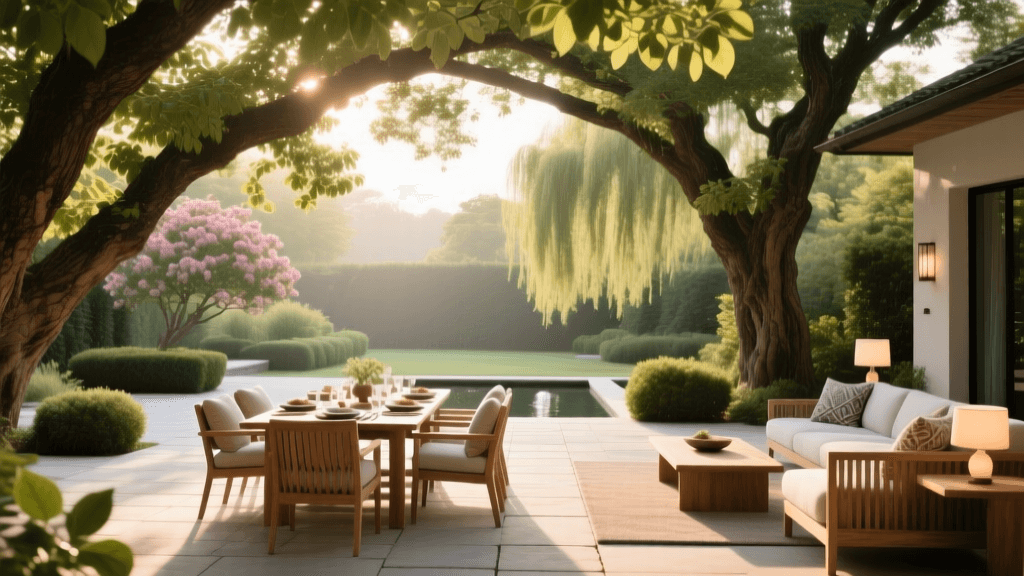
Best Shade Trees for Patios and Outdoor Entertaining Spaces
Why the Right Shade Tree Transforms Your Patio
When designing an outdoor entertaining space, hardscaping and furniture often take center stage. However, the true anchor of any stunning patio or outdoor kitchen is the landscape architecture surrounding it. Planting the right shade tree not only provides essential relief from the summer sun but also dramatically elevates your home's curb appeal. From a practical standpoint, a well-placed canopy reduces patio surface temperatures by up to 15 degrees, keeping your guests comfortable during afternoon barbecues and evening dinner parties.
Yet, not all trees are suited for proximity to high-traffic entertaining zones. Trees that drop excessive sap, large messy fruits, or have aggressive surface roots can quickly ruin expensive paver patios and stain outdoor cushions. The secret to a low-maintenance, high-impact outdoor living area lies in selecting cultivars that offer dense shade, structural beauty, and minimal debris. In this guide, we explore the five best shade trees for patios, complete with planting distances, maintenance tips, and landscape lighting strategies to ensure your outdoor space is the envy of the neighborhood.
Top 5 Shade Trees for Outdoor Entertaining Spaces
1. Red Maple (Acer rubrum)
For homeowners seeking rapid growth and spectacular autumn color, the Red Maple is an unparalleled choice. Cultivars like 'October Glory' and 'Red Sunset' provide a dense, oval-shaped canopy that casts deep, cooling shade over large patios and pool decks. According to Penn State Extension, Red Maples are highly adaptable to various soil conditions, making them a resilient choice for diverse landscapes. They are relatively clean trees, dropping their leaves in a single flush in autumn rather than creating a year-long mess. A 15-gallon Red Maple typically costs between $150 and $250 and can add up to three feet of height per year.
2. Crape Myrtle (Lagerstroemia indica)
If your entertaining space leans toward a Mediterranean or cottage garden aesthetic, the Crape Myrtle is a showstopper. Often grown as a multi-stemmed small tree, it offers brilliant summer blooms in shades of white, pink, and purple, followed by striking peeling bark that provides winter interest. The Clemson University Home & Garden Information Center notes that modern cultivars like 'Natchez' (white) and 'Muskogee' (lavender) are highly resistant to powdery mildew and can reach heights of 20 to 30 feet. Because they lack messy sap and large fruits, Crape Myrtles are exceptionally clean, ensuring your patio furniture stays spotless during peak summer entertaining season.
3. Japanese Maple (Acer palmatum)
For intimate courtyard patios, small decks, or Zen-inspired outdoor lounging areas, the Japanese Maple offers unmatched architectural elegance. While they do not provide the sprawling canopy of a Red Maple, their delicate, dappled shade is perfect for seating areas where you want a mix of sunlight and shadow. Cultivars like 'Bloodgood' maintain a deep burgundy foliage throughout the summer, creating a striking focal point against neutral-toned hardscaping. Japanese Maples are slow-growing, which means less frequent pruning, but they do require well-draining soil and protection from harsh, scorching afternoon winds. Expect to invest $200 to $400 for a mature, 7-gallon specimen.
4. Eastern Redbud (Cercis canadensis)
The Eastern Redbud is a native favorite that signals the start of the outdoor entertaining season with its explosive display of magenta-pink spring flowers. Growing to a modest 20 to 30 feet tall, it is perfectly scaled for planting directly adjacent to patio borders or retaining walls. The 'Forest Pansy' cultivar is particularly prized for its purple-tinged, heart-shaped leaves that turn a vibrant yellow-green in the summer. Redbuds have a graceful, spreading habit that creates a natural umbrella effect over outdoor dining tables. They are relatively drought-tolerant once established and do not produce nuisance fruits that attract stinging insects to your gatherings.
5. Ginkgo Biloba (Male Cultivars Only)
For a bold, prehistoric statement piece that offers brilliant golden-yellow fall color, the Ginkgo tree is a fantastic option. However, there is a critical caveat for outdoor entertaining: you must plant a male cultivar, such as 'Autumn Gold' or 'Fastigiata'. Female Ginkgo trees produce fleshy seeds that emit a rancid odor when they drop, which would instantly ruin any outdoor dinner party. Male trees provide a clean, high-canopy shade with unique fan-shaped leaves that flutter beautifully in the breeze. Ginkgos are virtually immune to pests and diseases, ensuring your landscape investment remains healthy and vibrant for decades.
Comparison Chart: Best Patio Shade Trees
Use the table below to compare the key characteristics of these top shade trees to find the perfect match for your specific patio dimensions and design goals.
| Tree Species | Mature Height | Canopy Spread | Growth Rate | Primary Appeal | Est. Cost (15-Gal) |
|---|---|---|---|---|---|
| Red Maple ('October Glory') | 40-50 ft | 25-35 ft | Fast (2-3 ft/yr) | Dense shade, fiery fall color | $150 - $250 |
| Crape Myrtle ('Natchez') | 20-30 ft | 15-25 ft | Moderate (1-2 ft/yr) | Summer blooms, peeling bark | $120 - $200 |
| Japanese Maple ('Bloodgood') | 15-20 ft | 10-15 ft | Slow (1 ft/yr) | Architectural form, dappled shade | $250 - $400 |
| Eastern Redbud ('Forest Pansy') | 20-30 ft | 25-30 ft | Moderate (1-2 ft/yr) | Spring flowers, native appeal | $150 - $220 |
| Ginkgo ('Autumn Gold' - Male) | 40-50 ft | 25-30 ft | Moderate (1-2 ft/yr) | Unique foliage, brilliant yellow fall | $180 - $300 |
Strategic Planting and Hardscape Protection
When planting trees near patios, driveways, and walkways, root management is just as important as canopy management. Tree roots naturally seek out moisture and can easily heave expensive paver stones or crack concrete slabs if planted too closely. As a general rule endorsed by the University of Minnesota Extension, always consider the mature canopy spread of the tree and plant it at least 10 to 15 feet away from the edge of your patio.
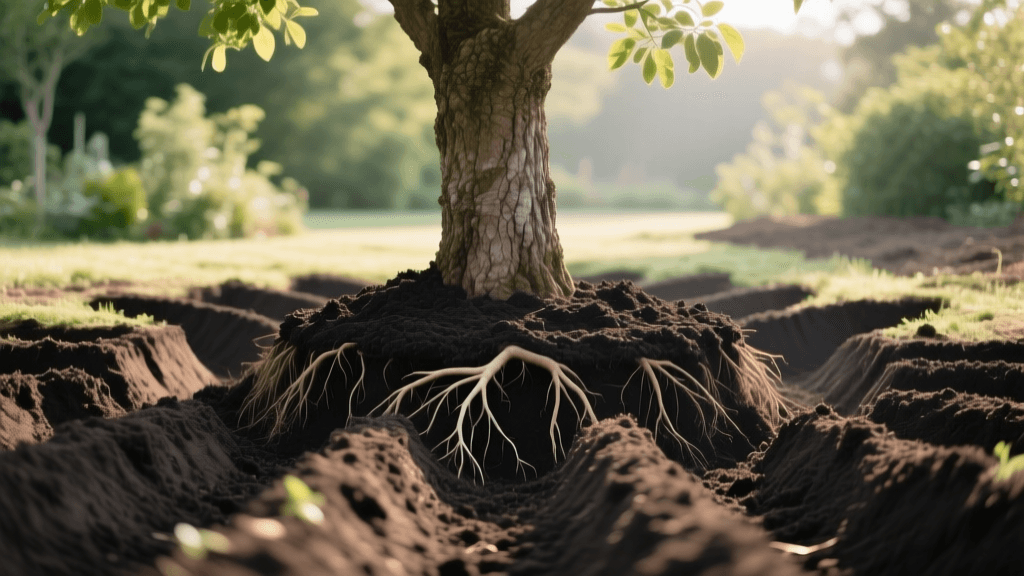
For smaller spaces where you must plant closer, consider installing a deep root barrier. These heavy-duty polyethylene panels are buried vertically between the tree and the hardscape, forcing the root system to grow downward rather than laterally. Additionally, proper mulching is vital. Apply a 2-to-3-inch layer of organic hardwood mulch around the base of the tree to retain moisture and regulate soil temperature, but keep the mulch strictly away from the trunk flare to prevent rot and rodent damage. Never volcano mulch, as this invites disease and compromises the tree's structural stability.
Pruning for Clearance and Sightlines
To maintain a functional entertaining space, trees must be pruned to provide adequate head clearance. For patios and dining areas, aim to limb up the canopy so the lowest branches are at least 8 to 10 feet above the ground. This allows guests to walk freely underneath without brushing against leaves, and it keeps falling debris away from the immediate seating area.
When pruning for curb appeal, focus on creating a balanced, asymmetrical canopy that frames the house rather than obscuring it. Remove any crossing branches, water sprouts, or deadwood annually during the tree's dormant season (late winter). For flowering trees like the Crape Myrtle and Eastern Redbud, avoid the outdated and harmful practice of crape murder (severe topping). Instead, use selective thinning cuts to enhance the tree's natural sculptural form and allow light to filter through to the patio below.
Elevating Nighttime Curb Appeal with Landscape Lighting
Outdoor entertaining frequently extends into the evening, making landscape lighting a crucial component of your tree care and design strategy. Uplighting your patio shade trees not only improves safety but also creates a dramatic, high-end resort atmosphere that significantly boosts nighttime curb appeal.
Use LED well lights or directional spotlights with a warm color temperature (2700K to 3000K) placed at the base of the trunk, angled upward into the canopy. For multi-stemmed trees like the Crape Myrtle, position the fixture slightly off-center to highlight the texture of the peeling bark and cast intriguing shadows across the patio. Ensure all wiring is buried at least 6 inches deep and routed away from high-traffic zones and future planting holes. By combining the right shade tree species with strategic pruning and professional-grade lighting, your patio will become a breathtaking, year-round destination for family and friends.