Tree Care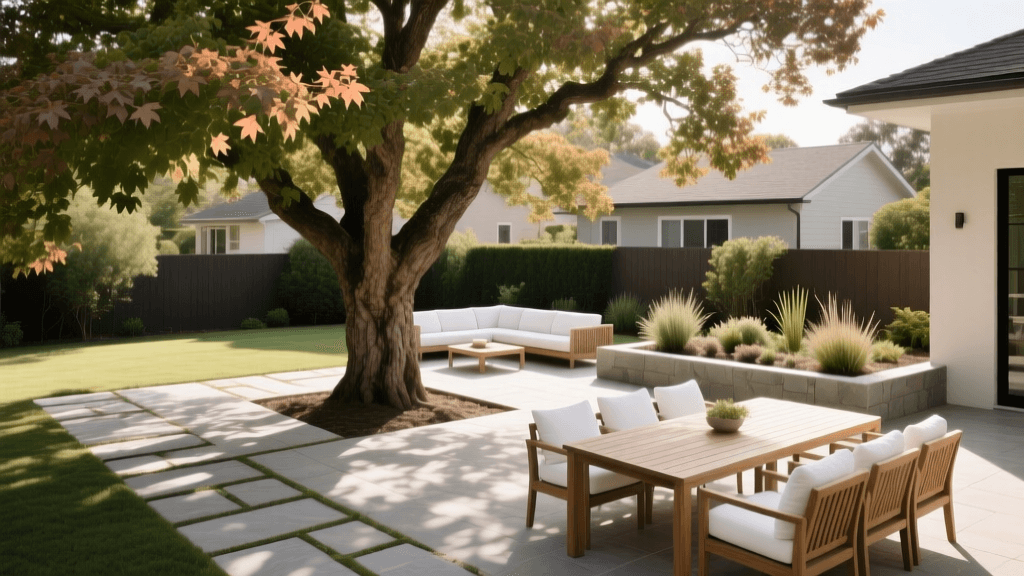
Best Shade Trees for Patios and Outdoor Entertaining Spaces
Transforming Your Patio with the Right Shade Trees
When designing an outdoor entertaining space, hardscaping and furniture often take center stage. However, the strategic integration of shade trees is what truly elevates a patio from a simple concrete slab to a luxurious, resort-style retreat. Trees provide essential relief from the summer sun, reduce ambient temperatures around your dining areas, and serve as stunning architectural focal points that dramatically boost your home's curb appeal. Whether you are hosting a weekend barbecue, hanging string lights for an evening dinner party, or simply enjoying a quiet morning coffee, the right tree canopy creates an intimate and comfortable atmosphere.
Selecting trees for patio-adjacent planting requires a careful balance between aesthetic beauty and structural safety. You want a lush, expansive canopy that provides dappled shade over your dining table, but you must avoid aggressive root systems that could heave your expensive pavers or crack your stamped concrete. According to the Clemson University Home & Garden Information Center, understanding a tree's mature size and root behavior is the most critical step in preventing costly hardscape damage while maximizing landscape value.
Critical Factors for Patio-Adjacent Trees
Root Systems and Hardscape Protection
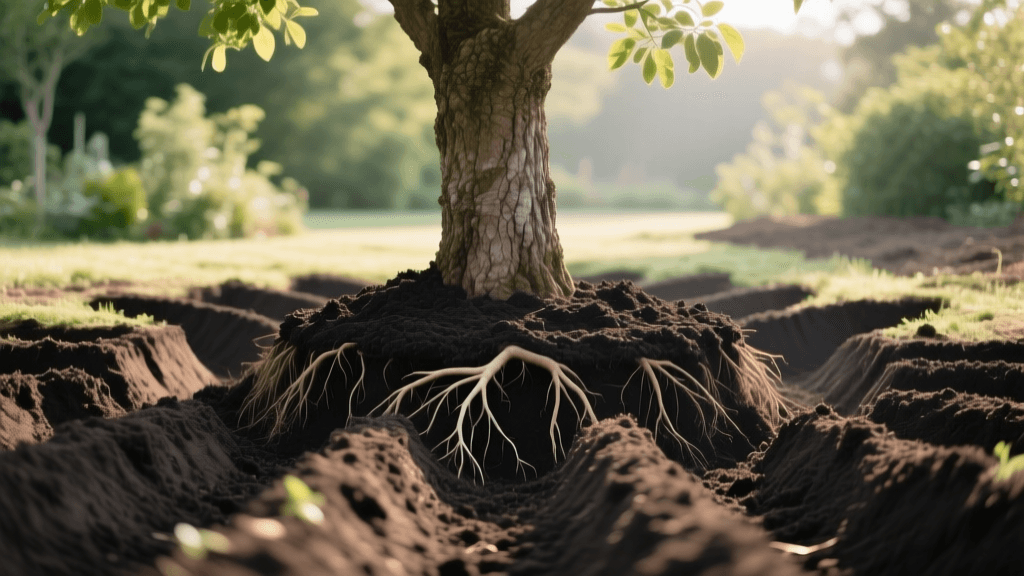
The most common mistake homeowners make when planting near outdoor living spaces is underestimating the reach and power of tree roots. Large shade trees like Silver Maples or Weeping Willows possess aggressive, shallow root systems that actively seek out moisture and will easily lift patio stones, crack retaining walls, and damage underground irrigation lines. For entertaining spaces, you must select trees with deep taproots or non-aggressive fibrous root systems. If you absolutely must plant a larger species near a patio edge, install a physical root barrier. Products like the DeepRoot UB 24-2 Tree Root Barrier, buried at least 24 inches deep between the tree and the hardscape, mechanically deflect roots downward and away from your entertainment zones.
Canopy Density, Leaf Litter, and Cleanup
When you are serving food and drinks outdoors, the last thing you want is a tree that constantly drops sap, messy fruits, or large, difficult-to-clean leaves onto your dining table. Avoid planting species like Sweetgum (which drops spiky gumballs), Bradford Pear (which drops foul-smelling fruit and is prone to branch breakage), or certain Oaks (which drop massive amounts of acorns). Instead, look for 'clean' trees with smaller leaves that decompose quickly or blow easily out of the patio area, ensuring your outdoor kitchen and dining sets remain pristine during peak entertaining seasons.
Overhead Clearance and Utility Lines
Always look up before you plant. If your patio is situated near overhead power lines, you are legally and practically restricted to small, ornamental trees that will not exceed 25 feet in mature height. Furthermore, consider the height of your patio umbrellas, pergolas, and string light fixtures. You will need to prune the lower branches of your shade trees to create a minimum clearance of 8 to 10 feet above the patio floor, allowing guests to walk freely without ducking and ensuring adequate space for tall patio heaters.
Top 5 Shade Trees for Outdoor Entertaining Spaces
To help you choose the perfect specimen for your landscape, we have compiled a comparison of five exceptional trees that offer beautiful canopies, seasonal interest, and safe root structures for hardscape proximity.
| Tree Species | Mature Height | Canopy / Shade | Root Risk | Est. Cost (15-Gal) |
|---|---|---|---|---|
| Japanese Maple (Acer palmatum) | 15 - 25 ft | Dappled, graceful | Very Low | $120 - $180 |
| Crape Myrtle (Lagerstroemia) | 15 - 30 ft | Dense, broad | Low | $90 - $140 |
| Serviceberry (Amelanchier) | 15 - 25 ft | Light, airy | Low | $100 - $150 |
| Eastern Redbud (Cercis canadensis) | 20 - 30 ft | Spreading, rounded | Low | $110 - $160 |
| Flowering Dogwood (Cornus florida) | 15 - 25 ft | Layered, horizontal | Very Low | $130 - $200 |
Japanese Maple: The ultimate focal point for high-end patios. Its delicate, deeply lobed leaves provide a soft, dappled shade that is perfect for reading or intimate dining. The brilliant crimson and orange fall colors add immense curb appeal. Japanese Maples thrive in partial shade and have very benign root systems.
Crape Myrtle: Known as the 'tree of 100 days,' Crape Myrtles offer spectacular, long-lasting summer blooms in shades of pink, red, purple, and white. They are incredibly heat and drought-tolerant once established, making them ideal for sunny, exposed patios in warmer climates. Their smooth, exfoliating bark provides beautiful winter interest.
Serviceberry: A fantastic multi-season performer. Serviceberry produces delicate white flowers in early spring, followed by edible, blueberry-like fruits in early summer (which birds love), and finishes the year with stunning orange-red fall foliage. It is a smaller, understory tree that fits perfectly into courtyard patios.
Eastern Redbud: Famous for its vibrant magenta-pink blossoms that erupt directly on the bare branches in early spring before the heart-shaped leaves emerge. Redbuds have a charming, slightly irregular branching structure that looks beautiful when illuminated by landscape lighting at night.
Flowering Dogwood: A classic choice for elegant, traditional landscapes. Dogwoods offer large, showy spring bracts, attractive layered branching, and bright red fall berries. They prefer the dappled shade of larger, distant trees and have non-invasive roots that are perfectly safe near walkways and patios.
Strategic Placement and Spacing Guidelines
Proper placement is just as important as species selection. To protect your hardscape while maximizing shade over your entertaining area, follow these spacing rules:
- Small Ornamental Trees (Under 25 ft tall): Plant these 8 to 12 feet away from the edge of your patio. This allows the canopy to overhang the seating area slightly without the trunk crowding the space or roots threatening the foundation.
- Medium to Large Shade Trees (30+ ft tall): Plant these at least 15 to 20 feet away from any hardscape, retaining walls, or home foundations. The canopy will eventually spread to shade the patio, while the root system remains safely in the lawn or planting beds.
- Sun Angle Consideration: In the Northern Hemisphere, the sun is in the southern sky. Plant your primary shade trees on the south or west side of your patio to block the intense, hot afternoon sun during summer dinner parties.
Planting Timelines and Budgeting
Timing your tree planting correctly ensures rapid establishment and minimizes transplant shock. The Arbor Day Foundation strongly recommends planting trees during their dormant season. For most regions, this means early fall (after the leaves drop) or early spring (before the buds break). Fall planting is generally superior because the soil is still warm, encouraging vigorous root growth before the summer heat arrives.
When budgeting for your landscape upgrade, consider the following cost breakdown:
- 15-Gallon Nursery Stock: $80 to $200 per tree. These are typically 6 to 10 feet tall and manageable for DIY planting.
- 24-Inch Box or Balled-and-Burlapped (B&B): $250 to $600+ per tree. These are mature, 10 to 15-foot specimens that provide instant shade and immediate curb appeal, but require heavy machinery or professional crews to move.
- Professional Planting Services: Expect to pay an additional $250 to $500 per tree for a licensed landscaping crew to deliver, dig the hole, amend the native soil, plant, and stake the tree properly.
- Root Barriers and Soil Amendments: Budget an extra $50 to $100 per planting site for high-quality root barriers, mycorrhizal fungi inoculants, and organic compost.
Seasonal Care and Pruning for Entertaining Spaces
To keep your patio trees looking pristine and functioning well for outdoor events, implement a targeted seasonal care schedule.
Mulching and Watering
Apply a 2 to 4-inch layer of premium shredded hardwood mulch around the base of the tree, extending out to the drip line if possible. Crucially, keep the mulch at least 3 inches away from the actual trunk to prevent rot and rodent damage—often referred to as avoiding 'mulch volcanoes.' During the first two years, deep-water the trees once a week using a slow-drip soaker hose or a Treegator water bag, delivering about 15 to 20 gallons per session to encourage deep root growth.
Fertilization
Patio trees often compete with surrounding lawn grass for nutrients. Apply a slow-release, organic fertilizer like Espoma Tree-tone (4-3-3) in early spring. Broadcast the fertilizer evenly under the drip line and water it in thoroughly. Avoid high-nitrogen synthetic fertilizers, which can cause rapid, weak branch growth that is susceptible to wind damage over your dining area.
Pruning for Clearance and Views
Prune your trees annually during the late winter dormancy period. The goal for patio-adjacent trees is 'crown raising'—selectively removing the lowest branches to create an 8 to 10-foot clearance above the patio floor. This opens up sightlines across your yard, improves airflow beneath the canopy, and ensures guests can walk comfortably. Always use sterilized, sharp bypass pruners or a pruning saw, making clean cuts just outside the branch collar to promote rapid healing and prevent disease.
Integrating Landscape Lighting
To maximize curb appeal and extend your entertaining hours into the evening, integrate low-voltage LED landscape lighting. Use brass or copper uplights staked 2 to 3 feet from the trunk, angled upward to wash the canopy with warm white light (2700K to 3000K). Never attach light fixtures directly to the tree trunk with screws or nails, as this creates open wounds that invite pests and fungal pathogens. Instead, use adjustable beam spreads to highlight the architectural branching of a Japanese Maple or the smooth, peeling bark of a Crape Myrtle, turning your shade trees into breathtaking nighttime centerpieces for your outdoor living space.