Tree Care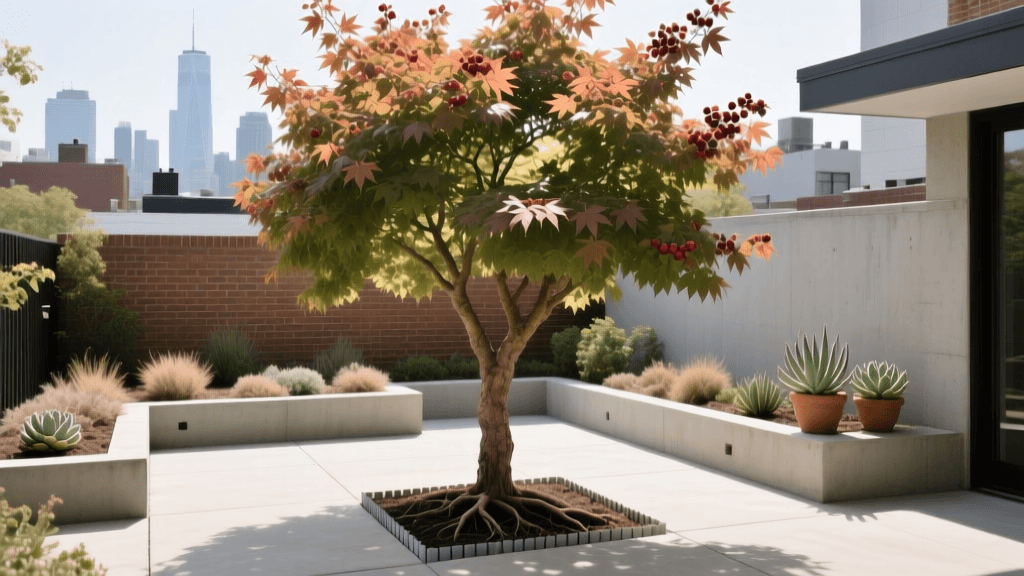
Best Shade Trees for Small Urban Yards: Selection Guide
The Challenge of Urban Tree Selection
Selecting the perfect shade tree for a small urban yard is one of the most rewarding yet challenging tasks in landscape design. Unlike sprawling rural properties or expansive suburban lawns, urban spaces are defined by their strict spatial constraints. You must navigate overhead utility lines, compacted alkaline soils, proximity to concrete foundations, and the intense microclimates created by the urban heat island effect. Making the wrong choice can lead to damaged infrastructure, stunted growth, or the expensive removal of a tree that simply outgrew its designated space.
The foundational rule of urban forestry is 'right tree, right place.' According to urban forestry guidelines published by the USDA Forest Service, careful species selection reduces long-term maintenance costs, minimizes conflicts with infrastructure, and maximizes the ecological benefits of the urban canopy. When space is limited, you cannot rely on aggressive, fast-growing giants like the Silver Maple or the Weeping Willow. Instead, you must focus on understory trees and small-stature species that provide excellent shade, seasonal interest, and structural beauty without overwhelming the footprint of your property.
Critical Criteria for Small Yard Species
1. Root System Architecture
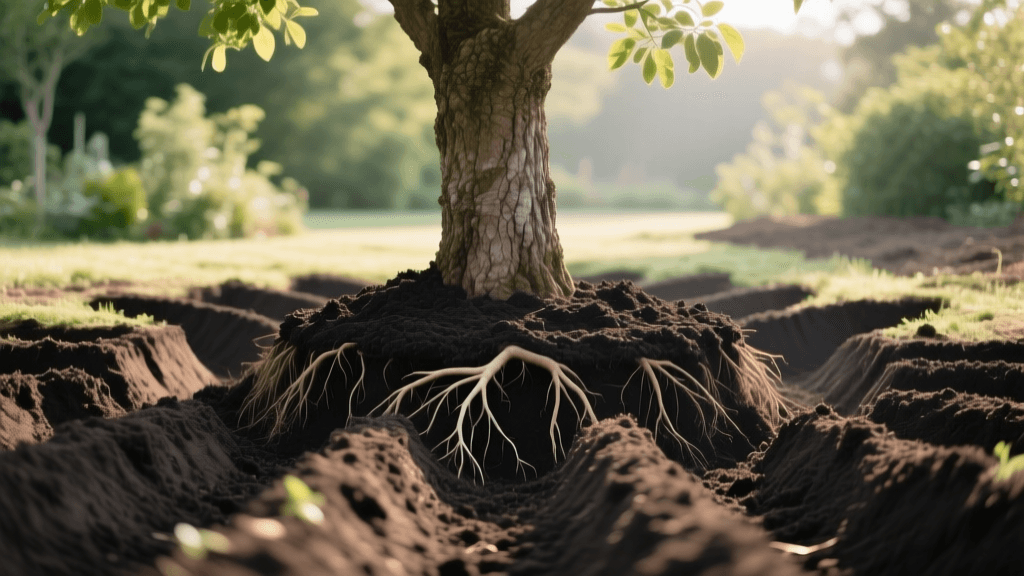
In a small yard, the hidden half of the tree is just as important as the canopy. Trees with aggressive, surface-level root systems can heave sidewalks, crack driveways, and invade underground plumbing. For urban planting, prioritize species known for deep taproots or non-invasive, fibrous root systems. Avoid planting shallow-rooted species within twenty feet of any structural foundation or subterranean utility line.
2. Mature Canopy and Utility Clearance
Always plant with the tree's mature size in mind, not its size at the nursery. If your yard has overhead power lines, the Arbor Day Foundation strongly recommends selecting trees that will reach a maximum mature height of 25 feet or less. For spaces without overhead obstructions but limited horizontal width, look for trees with an upright, oval, or vase-shaped canopy rather than a broad, sprawling spread.
3. Microclimate Adaptability
Urban yards often feature extreme microclimates. A south-facing yard bordered by a brick wall will radiate intense heat and dry out the soil rapidly, while a narrow alleyway might create a wind tunnel or a deep shade trap. Choose species that match the specific light and moisture conditions of your exact planting zone, rather than just the general regional hardiness zone.
Top Shade Trees for Compact Urban Spaces
Eastern Redbud (Cercis canadensis)
The Eastern Redbud is a spectacular understory tree that thrives in the dappled light of small urban spaces. Reaching a mature height of 20 to 30 feet with a similar spread, it offers breathtaking magenta spring blooms before its heart-shaped leaves emerge. For small yards, consider the 'Merlot' or 'Appalachian Red' cultivars, which offer vibrant color and slightly more compact growth habits. Redbuds prefer well-draining soil and can tolerate partial shade, making them ideal for planting near the edge of a patio or driveway.
Kousa Dogwood (Cornus kousa)
If you are looking for a tree that offers four-season interest, the Kousa Dogwood is an exceptional choice. Unlike the native Flowering Dogwood, which is highly susceptible to anthracnose and dogwood borer, the Kousa variety is incredibly disease-resistant and resilient in urban environments. It matures to about 20 to 25 feet tall and features a beautiful horizontal branching structure that provides excellent, filtered shade. Cultivars like 'Satomi' offer deep pink bracts, while 'Wolf Eyes' provides stunning variegated foliage that brightens up dark, shaded corners of a small yard.
Serviceberry (Amelanchier arborea)
The Serviceberry is a versatile, small-scale tree that rarely exceeds 25 feet in height. It is highly valued for its early white spring flowers, edible summer berries that attract local birds, and brilliant orange-red autumn foliage. Because it can be trained as a multi-stemmed shrub or a single-trunk tree, it is highly adaptable to tight corners, courtyard gardens, and narrow side yards. The 'Autumn Brilliance' cultivar is particularly prized for its reliable, fiery fall color and strong branching structure.
Japanese Maple (Acer palmatum)
For very small urban spaces or courtyard gardens where shade is the primary goal, the Japanese Maple is unparalleled. While some varieties are weeping and low-growing, upright cultivars like 'Bloodgood' or 'Emperor I' can reach 15 to 20 feet, providing a dense, cooling canopy. Japanese Maples require protection from harsh afternoon sun and drying winds, making them perfect for east-facing urban yards or spaces shielded by adjacent buildings. They demand consistently moist, acidic, and well-draining soil.
Trees to Strictly Avoid in Small Spaces
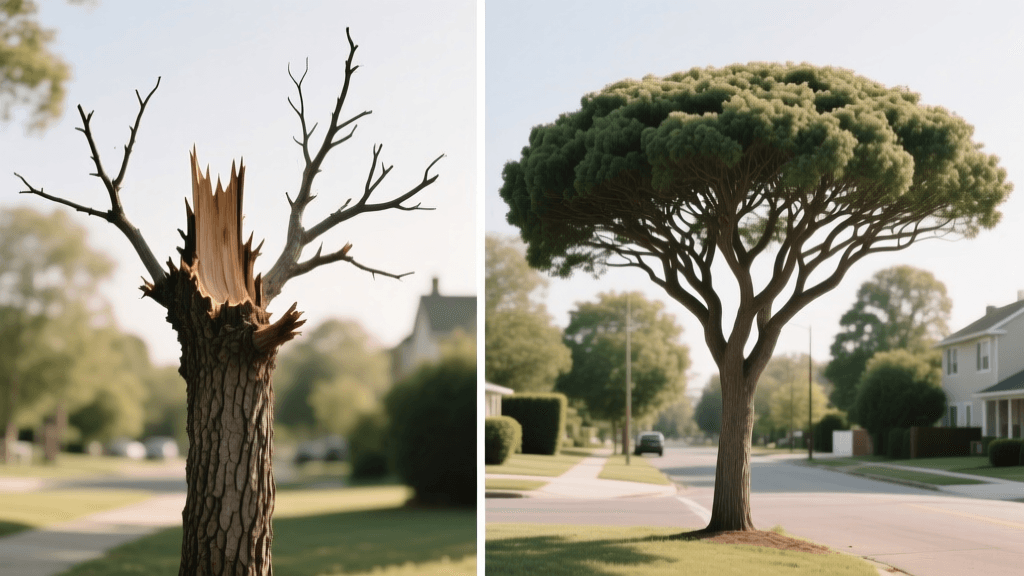
To protect your property and your wallet, avoid planting fast-growing, large-canopy species in small urban yards. Silver Maples have notoriously brittle wood and aggressive surface roots that destroy hardscaping. Weeping Willows seek out moisture and will aggressively infiltrate sewer lines and drainage tiles. The Bradford Pear, once a popular urban street tree, is now widely discouraged due to its weak branch crotches that split easily during storms and its status as an invasive species in many regions.
Species Comparison Chart
| Species | Mature Height | Canopy Spread | Root Behavior | Best Feature |
|---|---|---|---|---|
| Eastern Redbud | 20-30 ft | 25-35 ft | Non-invasive | Vibrant spring blooms |
| Kousa Dogwood | 20-25 ft | 20-25 ft | Non-invasive | Disease resistance |
| Serviceberry | 15-25 ft | 15-20 ft | Non-invasive | Edible berries & fall color |
| Japanese Maple | 15-20 ft | 10-15 ft | Fibrous, shallow | Stunning foliage |
Urban Soil Preparation and Planting Best Practices
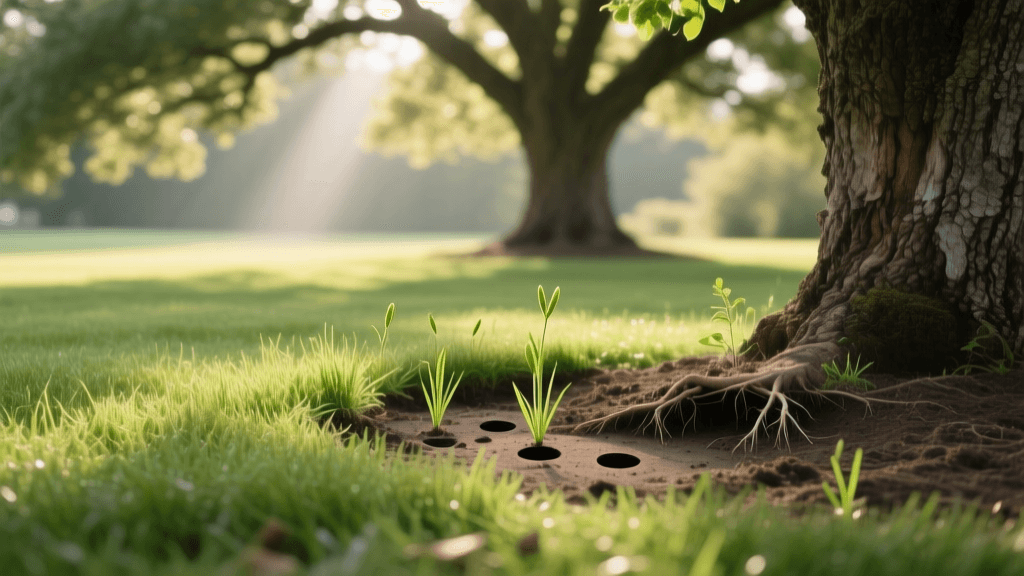
Urban soils are notoriously compacted, alkaline, and devoid of organic matter due to construction debris and years of foot traffic. According to tree care experts at The Morton Arboretum, proper soil preparation is the single most critical factor in the survival of a newly planted urban tree. Before digging, call your local utility locating service to ensure you are clear of underground lines.
When digging the planting hole, make it two to three times wider than the root ball, but no deeper. The most common mistake urban gardeners make is planting the tree too deep. Locate the trunk flare—the point where the trunk widens at the base—and ensure it sits slightly above the surrounding grade. Backfill with the native soil; amending the backfill too heavily with rich compost can create a 'bathtub effect,' where water pools in the loose soil and roots fail to expand into the surrounding native earth.
The 3x3 Mulching Rule
Apply a three-inch layer of organic hardwood mulch in a three-foot radius around the base of the tree. Keep the mulch strictly away from the trunk itself to prevent rot and rodent damage. This mulch ring regulates soil temperature, retains moisture, and keeps aggressive turfgrass away from the tree's critical feeder roots.
Establishment Watering Schedule
A newly planted tree in an urban environment requires consistent moisture to establish its root system. Provide 10 to 15 gallons of water per week during the first two growing seasons. Use a slow-drip method, such as a tree watering bag, to allow the water to penetrate deeply into the compacted urban soil rather than running off the surface.
Conclusion
Selecting the right shade tree for a small urban yard requires a careful balance of aesthetics, spatial awareness, and environmental science. By prioritizing species with non-invasive roots, manageable canopies, and high adaptability to urban stressors, you can cultivate a thriving, shaded oasis that enhances your property value and local ecosystem for decades to come.