Tree Care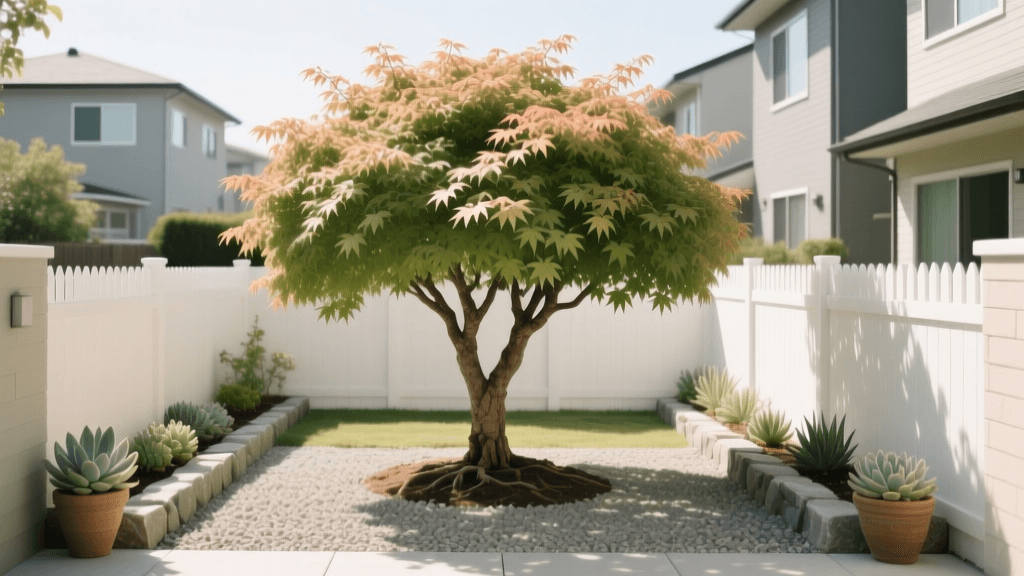
Best Shade Trees for Small Urban Yards: Selection Guide
The Challenge of Urban Tree Selection
Selecting the perfect shade tree for a small urban yard requires a delicate balance between aesthetic desires and spatial realities. Homeowners often fall in love with the majestic, sprawling canopies of oak or maple trees, only to realize too late that these giants will overwhelm their property, damage hardscapes, and block essential sunlight from neighboring gardens. When working with limited square footage, variety and species selection become the most critical steps in your landscaping journey. According to the Morton Arboretum, selecting the right plant for the right place is the foundational principle of sustainable landscaping. In an urban environment, the 'right place' is defined by strict spatial constraints, compacted soils, and proximity to infrastructure.
Key Factors for Small Yard Tree Selection
Root System Architecture and Hardscape Safety
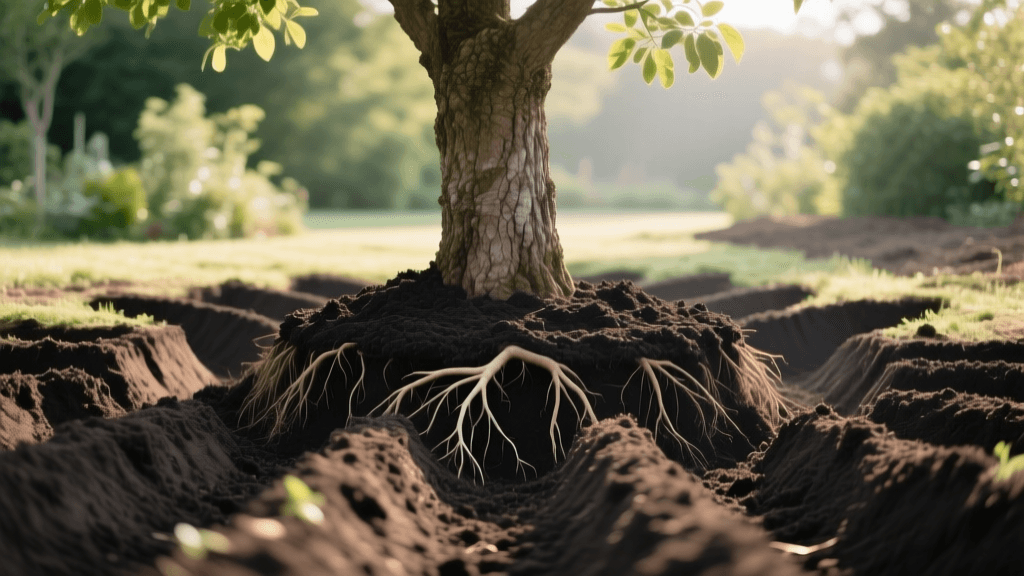
In a small yard, the root system is just as important as the canopy. Trees with aggressive, shallow root systems can easily heave sidewalks, crack driveways, and invade underground utility lines. When selecting a species for a compact space, prioritize trees known for deep or non-invasive root habits. If you must plant near a patio or walkway, consider installing a root barrier—a thick plastic or metal shield buried vertically to a depth of 24 to 36 inches—to deflect roots downward and away from hardscapes.
Canopy Shape and Mature Spread
The mature spread of a tree dictates how much shade it will provide and how it will interact with your home's roof and nearby power lines. For narrow yards, look for 'vase-shaped' or 'columnar' trees that grow upward rather than outward. For wider but shorter spaces, 'oval' or 'round' canopies provide excellent shade without the massive 60-foot spreads of traditional forest trees. Always check the Arbor Day Foundation tree guide to verify the exact mature width of a species before purchasing, as local growing conditions can sometimes alter expected sizes.
Hardiness and Soil Tolerance
Urban soils are notoriously poor, often consisting of heavy clay, construction debris, and highly compacted layers. Furthermore, urban heat islands can push local temperatures higher than surrounding rural areas. Select species that are not only rated for your USDA Hardiness Zone but are also documented as being tolerant of clay soils, drought, and urban pollution.
Top Shade Tree Species for Compact Spaces
Below is a comparison of five exceptional shade trees that thrive in small urban yards, offering beautiful seasonal interest without the destructive tendencies of larger species.
| Species | Mature Height | Canopy Spread | Light Needs | Special Features |
|---|---|---|---|---|
| Japanese Tree Lilac | 20-25 ft | 15-20 ft | Full Sun | Fragrant white flowers, highly urban-tolerant |
| Eastern Redbud | 20-30 ft | 25-35 ft | Full Sun to Part Shade | Stunning spring magenta blooms, heart-shaped leaves |
| Serviceberry (Autumn Brilliance) | 15-25 ft | 15-20 ft | Full Sun to Part Shade | Edible berries, exceptional fall color, multi-season interest |
| Kousa Dogwood | 20-30 ft | 20-30 ft | Partial Shade | Exfoliating bark, star-shaped flowers, disease resistant |
| American Hornbeam | 20-30 ft | 20-30 ft | Full Sun to Full Shade | Muscle-like bark, incredible shade tolerance, native |
1. Japanese Tree Lilac (Syringa reticulata)
Unlike its shrub counterparts, the Japanese Tree Lilac grows as a tidy, oval-shaped tree. It produces massive panicles of creamy white, fragrant flowers in early summer, long after most spring blooms have faded. It is exceptionally tough, tolerating poor soils, salt, and urban pollution, making it a staple in small front yards and near streets.
2. Eastern Redbud (Cercis canadensis)
The Eastern Redbud is a native favorite known for its breathtaking display of magenta, pea-like flowers that erupt directly from the branches and trunk in early spring. Its spreading, flat-topped canopy provides dappled shade, perfect for understory plantings like hostas and ferns. Cultivars like 'Forest Pansy' offer the added bonus of deep purple foliage throughout the summer.
3. Serviceberry (Amelanchier x grandiflora)
Serviceberry is a multi-season powerhouse. Spring brings delicate white blossoms, followed by sweet, edible purple berries in early summer that attract local birdlife. The autumn foliage shifts to brilliant shades of orange and red. Its relatively small stature and smooth, silvery bark make it an elegant focal point in tight spaces.
4. Kousa Dogwood (Cornus kousa)
For those who love the look of the native Flowering Dogwood but want better disease resistance, the Kousa Dogwood is the ideal alternative. It blooms later in the season with pointed, star-like bracts and produces strawberry-like fruit in the fall. Its peeling, mottled bark provides striking visual interest during the barren winter months.
5. American Hornbeam (Carpinus caroliniana)
Also known as 'Musclewood' due to its sinewy, fluted gray bark, the American Hornbeam is incredibly adaptable. It handles heavy clay soils and deep shade better than almost any other small tree. Its dense, fine-textured foliage turns a vibrant yellow-orange in the fall, and its wood is so hard it was historically used for tool handles.
Proper Planting Techniques for Urban Environments
Even the most carefully selected species will fail if planted incorrectly. The University of Minnesota Extension emphasizes that planting depth is the most common cause of urban tree failure. Trees are frequently planted too deep, which suffocates the root system and invites trunk-rotting fungi.
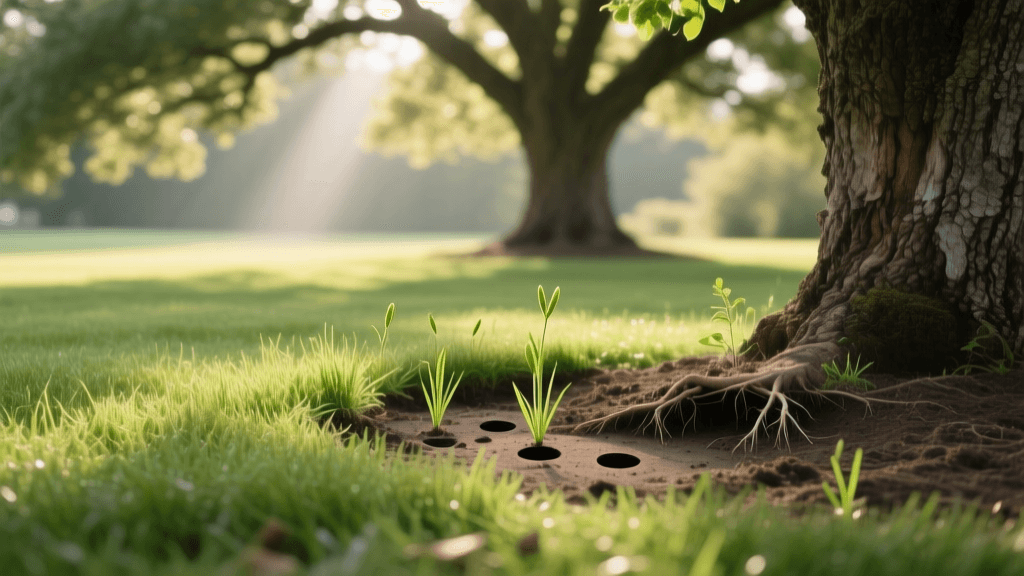
Expert Planting Tip: Always locate the 'root flare'—the point where the trunk widens and transitions into the structural roots. This flare must be visible slightly above the soil grade after planting. If your tree arrives in a burlap sack or pot with soil piled up the trunk, gently brush away the top two inches of soil to expose the flare before digging your hole.
When digging the planting hole, make it two to three times wider than the root ball, but no deeper. The wide hole encourages lateral root expansion into the surrounding native soil, while the shallow depth prevents the tree from sinking as the backfill soil settles over time. Backfill with the native soil you just dug out; amending the hole with rich compost can actually create a 'bathtub effect,' where water pools in the loose soil and drowns the roots.
Long-Term Care and Maintenance
Once planted, small yard trees require attentive care during their first three years to establish a robust root system. Water deeply and infrequently rather than giving them a shallow sprinkle every day. A slow, 45-minute soak with a hose placed at the drip line once a week during dry spells is ideal.
Mulching is vital for moisture retention and temperature regulation, but it must be done correctly. Apply a 2-to-3-inch layer of organic hardwood mulch in a wide 'donut' shape around the tree. Never pile mulch against the trunk—a practice known as 'volcano mulching'—as this traps moisture against the bark, leading to rot and providing a haven for rodents and boring insects.
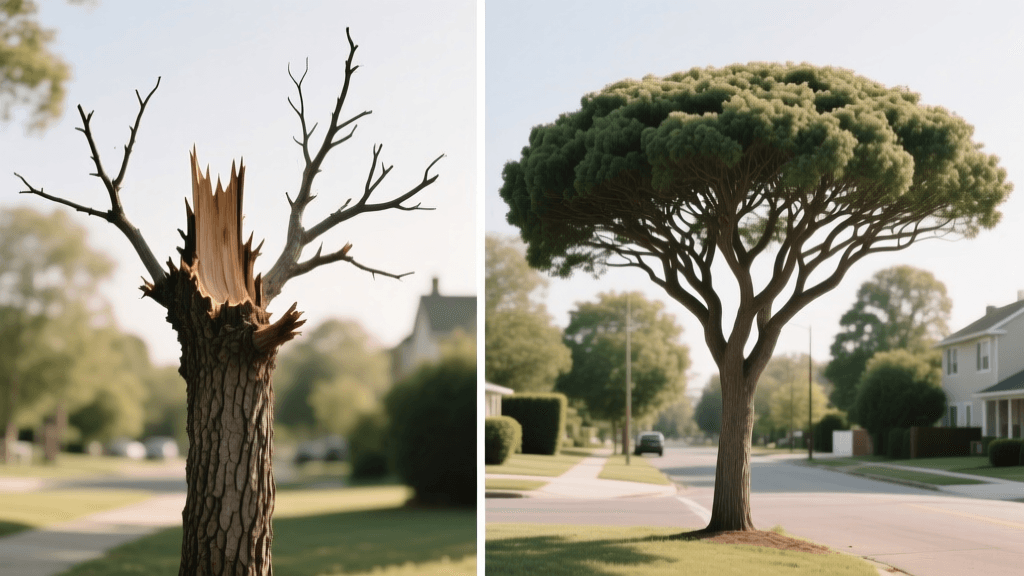
Finally, invest in structural pruning during the tree's first five years. Small trees are often left to grow without guidance, leading to weak, co-dominant leaders (two main trunks competing for dominance) that are highly susceptible to splitting during wind and ice storms. By selectively pruning to establish a single, strong central leader and well-spaced lateral branches, you ensure the tree remains structurally sound and safe for your small urban sanctuary for decades to come.
Conclusion
Transforming a small urban yard into a shaded, lush retreat is entirely possible when you approach variety and species selection with intentionality. By prioritizing non-invasive root systems, appropriate mature spreads, and urban resilience, you can plant a tree that enhances your property rather than endangering it. Whether you choose the spring blooms of an Eastern Redbud or the rugged durability of an American Hornbeam, proper selection and planting techniques will guarantee your new shade tree thrives in its compact home.