Lawn Care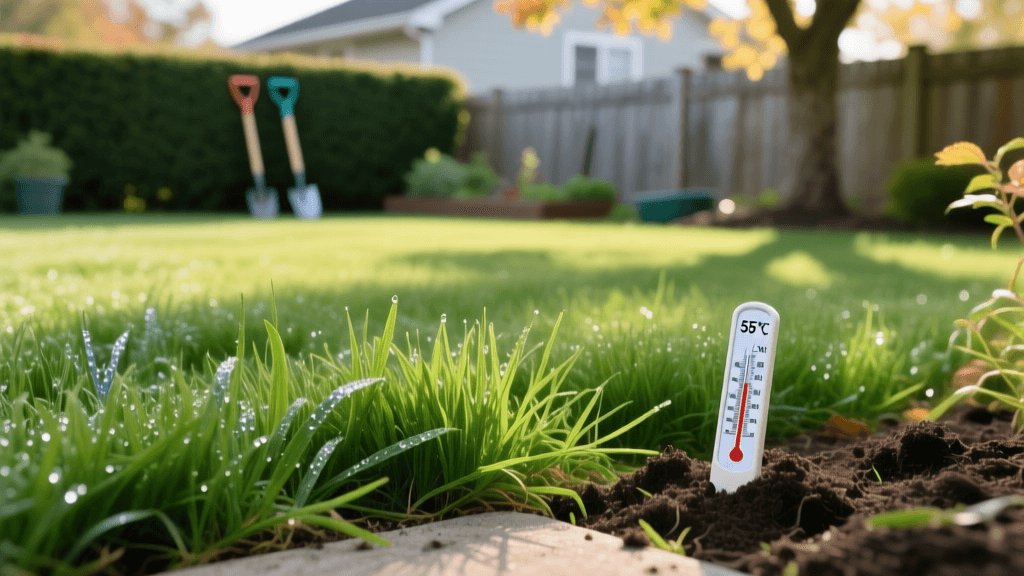
Best Time To Overseed Lawns By Grass Type And Region
Why Timing is the Most Critical Factor in Lawn Seeding
When it comes to establishing a thick, vibrant lawn, the quality of your seed and the preparation of your soil are only half the battle. The other half—and arguably the most critical factor—is seasonal timing. Planting grass seed at the wrong time of year is a common mistake that leads to poor germination, weak root development, and severe weed competition. To achieve professional-level results, homeowners must align their planting schedules with the specific biological needs of their grass type and the local climate conditions.
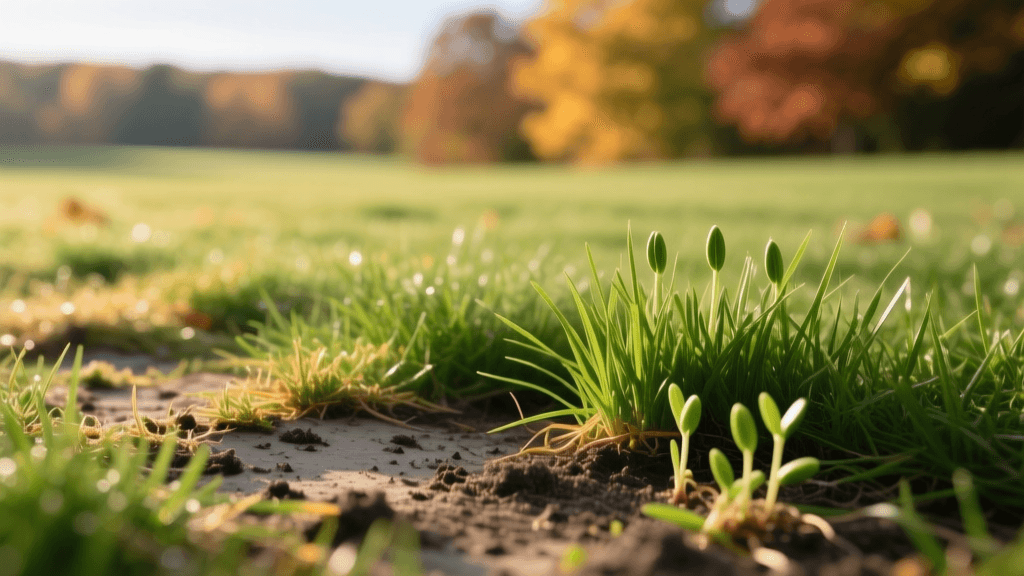
Grass seeds do not germinate based on the air temperature; they respond to soil temperature and moisture levels. If the soil is too cold, seeds will sit dormant and eventually rot or be eaten by birds. If the soil is too hot and dry, the delicate new roots will scorch and die before they can establish. Furthermore, timing your seeding correctly allows your desirable turfgrass to outcompete seasonal weeds. For example, planting cool-season grasses in the fall allows them to establish before the aggressive flush of spring crabgrass and broadleaf weeds.
The Ideal Overseeding Schedule for Cool-Season Grasses
Cool-season grasses, which include Kentucky Bluegrass, Tall Fescue, Fine Fescue, and Perennial Ryegrass, thrive in regions with cold winters and moderate summers. These grasses experience their most vigorous growth spurts during the cool, moist days of spring and autumn. However, when it comes to seeding and overseeding, early fall is universally recognized as the superior window.
According to turfgrass experts at Penn State Extension, late summer to early fall (typically mid-August through mid-October, depending on your USDA hardiness zone) provides the perfect intersection of warm soil and cool air. During this period, soil temperatures hover in the ideal 50°F to 65°F range, which triggers rapid germination. Meanwhile, the cooling air temperatures reduce heat stress on young seedlings and minimize the evaporation of crucial soil moisture.
Fall planting also gives cool-season grasses roughly eight to ten months to develop deep, resilient root systems before they face the extreme heat and drought stress of the following summer. While spring overseeding (April to May) is possible, it is generally discouraged. Spring-planted seedlings have shallow root systems that are highly vulnerable to summer heat waves. Additionally, applying pre-emergent crabgrass preventers in the spring—a necessary step for many lawns—will inadvertently prevent your new grass seed from germinating.
The Ideal Planting Schedule for Warm-Season Grasses
Warm-season grasses, such as Bermudagrass, Zoysiagrass, Centipedegrass, and Bahiagrass, dominate the southern and transitional zones of the United States. These grasses love the heat, going dormant and turning brown during the winter months, and flourishing when summer temperatures soar. Because of their biological makeup, their planting schedule is the exact opposite of cool-season varieties.
The optimal time to seed or plant warm-season grasses is in late spring to early summer, typically from late April through early July. As highlighted by the Clemson University Home & Garden Information Center, warm-season grasses require consistently warm soil temperatures between 65°F and 75°F to break dormancy and initiate germination. Planting too early in the spring, when the soil is still chilly, leaves the seed vulnerable to fungal diseases and rot.
It is equally important not to plant warm-season grasses too late in the summer or early fall. These grasses need a minimum of 60 to 90 days of active, uninterrupted growth to establish a root system robust enough to survive their first winter dormancy. If planted too late, the first frost will kill the immature seedlings, resulting in a total loss of your investment.
Comprehensive Grass Planting Schedule Chart
Use the following table as a quick-reference guide to determine the best seasonal window for your specific turfgrass. Keep in mind that exact calendar dates will vary based on your local climate and current weather patterns; always prioritize soil temperature over the calendar.
| Grass Type | Classification | Ideal Soil Temperature | Best Planting Window | Optimal Air Temperature |
|---|---|---|---|---|
| Kentucky Bluegrass | Cool-Season | 50°F - 65°F | Late Aug - Mid Oct | 60°F - 75°F |
| Tall Fescue | Cool-Season | 50°F - 65°F | Late Aug - Mid Oct | 60°F - 75°F |
| Perennial Ryegrass | Cool-Season | 50°F - 65°F | Late Aug - Mid Oct | 60°F - 75°F |
| Bermudagrass | Warm-Season | 65°F - 75°F | Late Apr - Early Jul | 75°F - 90°F |
| Zoysiagrass | Warm-Season | 65°F - 75°F | Mid May - Late Jun | 75°F - 90°F |
| Centipedegrass | Warm-Season | 70°F - 80°F | Mid May - Late Jun | 75°F - 90°F |
| Bahiagrass | Warm-Season | 65°F - 75°F | Early Apr - Late Jun | 75°F - 90°F |
How to Measure Soil Temperature Accurately
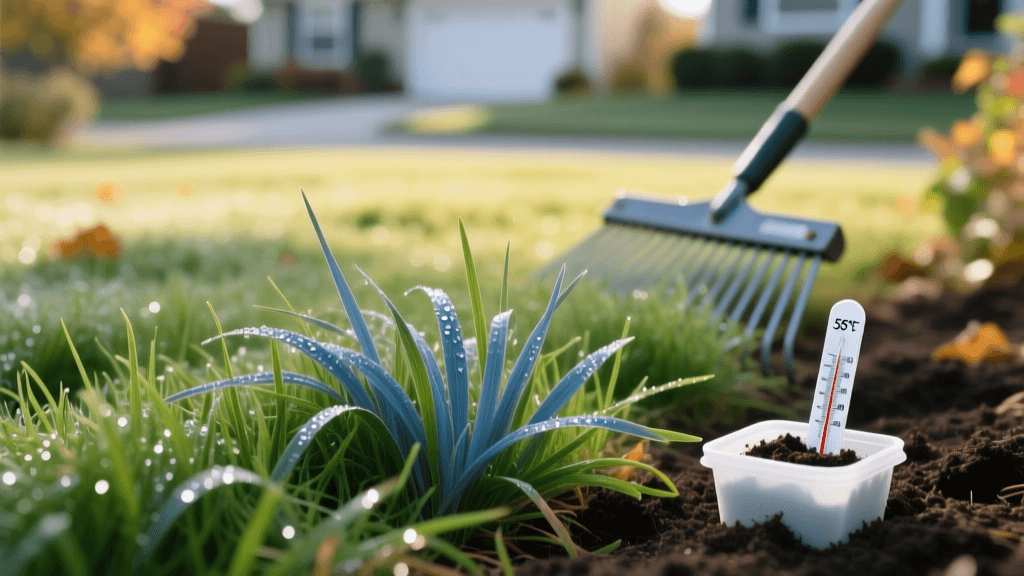
Relying on a weather app to tell you when to plant your lawn is a recipe for failure. Air temperature fluctuates wildly based on sunlight, wind, and cloud cover, but soil temperature remains remarkably stable. To accurately gauge your soil temperature, invest in a basic metal soil thermometer.
Insert the probe approximately two inches into the soil in a representative area of your lawn (avoiding unusually sunny or heavily shaded microclimates). Take your reading early in the morning, around 8:00 AM, to get a baseline average rather than a midday spike. Monitor the soil temperature for three to five consecutive days. Once the soil consistently reads within the ideal range for your grass type, you are clear to begin your seeding preparations.
Step-by-Step Seasonal Seeding Action Plan
Once your seasonal timing is locked in, follow this actionable checklist to ensure maximum seed-to-soil contact and germination success:
- Conduct a Soil Test: Before buying seed, test your soil pH and nutrient levels. Most turfgrasses prefer a pH between 6.0 and 7.0. If your soil is too acidic, apply pelletized limestone weeks before seeding. The NC State Extension Carolina Lawns guide heavily emphasizes soil testing as the foundational step for any successful turf establishment.
- Core Aeration and Dethatching: Seed cannot germinate if it sits on top of a thick layer of thatch or compacted soil. Rent a core aerator to pull 2-to-3-inch soil plugs from the lawn, creating direct pathways for seed, water, and oxygen to reach the root zone.
- Calculate Seeding Rates: Do not guess your application rate. Over-seeding leads to fungal disease due to overcrowding, while under-seeding leaves room for weeds. For Tall Fescue overseeding, apply 5 to 6 pounds per 1,000 square feet. For Kentucky Bluegrass, 2 to 3 pounds per 1,000 square feet is sufficient.
- Apply a Starter Fertilizer: New seedlings require high levels of phosphorus to stimulate rapid root growth. Look for a starter fertilizer with an N-P-K ratio where the middle number (phosphorus) is prominent, such as 10-18-10. Apply this on the same day you drop your seed.
- Implement a Strict Watering Regimen: For the first 14 to 21 days, the top inch of soil must remain consistently moist. This requires light, frequent watering—typically 10 to 15 minutes, two to three times a day. Once seedlings reach two inches tall, transition to deeper, less frequent watering to encourage downward root growth.
Common Timing Mistakes to Avoid
Even experienced homeowners can fall victim to seasonal timing errors. One of the most frequent mistakes is dormant seeding cool-season grasses too early in the winter without understanding the risks of frost heave. If seed germinates during a brief winter warm spell and is subsequently hit by a hard freeze, the expanding ice in the soil will push the shallow roots entirely out of the ground, killing the plant.
Another major error involves the mismanagement of pre-emergent herbicides. Pre-emergents work by creating a chemical barrier in the top layer of soil that stops any seed from germinating. If you apply a crabgrass preventer in the spring, you cannot plant new grass seed in that same area for at least 8 to 12 weeks. Always plan your chemical weed control schedules around your planting windows, or utilize specialized products containing siduron (Tupersan) which allow cool-season grass seed to germinate while still suppressing crabgrass.
By respecting the biological clocks of cool-season and warm-season grasses, monitoring soil temperatures, and executing a precise seasonal action plan, you can transform a thin, weedy yard into a dense, carpet-like lawn that withstands the stresses of every season.