Lawn Care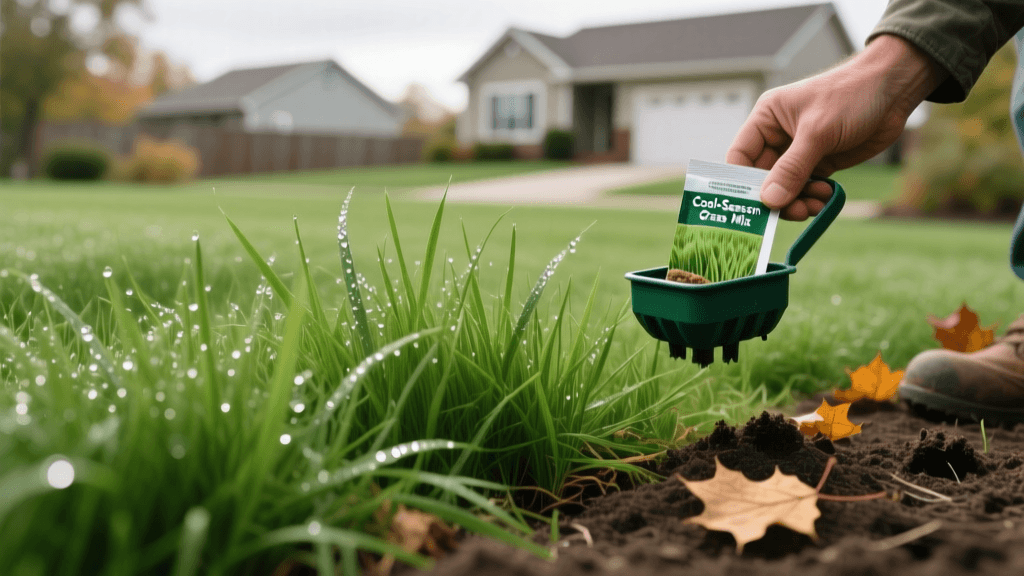
Best Time to Plant Grass Seed: Seasonal Timing Guide
The Critical Role of Seasonal Timing in Lawn Establishment
When it comes to establishing a new lawn or overseeding an existing one, the single most important factor for success is not the brand of seed you buy or the fertilizer you apply—it is the timing of your planting. Grass seed requires a precise balance of soil temperature, air temperature, and moisture to germinate effectively and establish a deep root system before environmental stressors arrive. Planting at the wrong time of year can result in poor germination, increased weed competition, and wasted money.
Many homeowners mistakenly believe that spring is the best time to plant grass seed because that is when gardens are being planted and flowers are blooming. However, for the majority of lawn grasses in the United States, spring is actually the second-best option. To achieve a thick, lush, and resilient lawn, you must align your planting schedule with the natural growth cycles of your specific grass type. According to the University of Minnesota Extension, understanding the difference between cool-season and warm-season grasses is the foundational step in creating a successful seasonal planting calendar.
Understanding Cool-Season vs. Warm-Season Grasses
Before you can determine your planting schedule, you must identify which category your turfgrass falls into. Grasses are broadly divided into two categories based on their optimal growing temperatures and regional adaptability.
Cool-Season Grasses
Cool-season grasses thrive in regions with cold winters and moderate summers, primarily in the Northern United States and the Transition Zone. These grasses experience their most vigorous growth during the cooler temperatures of spring and fall. Common varieties include Kentucky Bluegrass, Perennial Ryegrass, Tall Fescue, and Fine Fescue. They typically go dormant or suffer from heat stress during the peak of summer.
Warm-Season Grasses
Warm-season grasses are adapted to the Southern United States, where summers are long and hot, and winters are mild. They thrive in high heat and typically turn brown and go dormant after the first hard frost in the fall. Common varieties include Bermudagrass, Zoysiagrass, Centipedegrass, and St. Augustinegrass (which is usually established via sod or plugs rather than seed).
The Ideal Schedule for Cool-Season Grasses
For cool-season grasses, the absolute best time to plant seed is in the late summer to early fall. Depending on your specific hardiness zone, this window typically falls between mid-August and mid-October.
Why is fall superior to spring for cool-season grasses? First, the soil is still warm from the summer sun, which promotes rapid seed germination. Second, the air temperatures are beginning to cool, reducing heat stress on tender new seedlings. Third, fall planting faces significantly less competition from aggressive summer annual weeds like crabgrass, which naturally die off as temperatures drop. Finally, planting in the fall gives the grass two full growing seasons (fall and the following spring) to develop a deep, drought-resistant root system before the punishing heat of its first summer.
If you miss the fall window, the secondary planting time for cool-season grasses is early spring (late March to early May), once the soil has thawed and daytime temperatures consistently reach the 60s. However, spring-planted grass requires intensive watering to survive the approaching summer heat and is highly susceptible to weed invasion.
The Ideal Schedule for Warm-Season Grasses
Warm-season grasses require a completely different approach. The optimal time to plant warm-season grass seed is in late spring to early summer, typically from May through early July.
Unlike cool-season grasses, warm-season varieties need warm soil to trigger germination. You should wait until the danger of the last spring frost has completely passed and daytime air temperatures are consistently in the 80s and 90s. Planting warm-season grass too early in the spring, while the soil is still cool and damp, will often result in seed rot or extremely sluggish germination. By planting in early summer, you give the grass three to four months of peak growing conditions to establish a robust root network before it goes dormant in the winter.
Master Seasonal Planting Schedule Chart
Use the following data table to identify the precise seasonal timing, soil temperature targets, and expected germination windows for the most popular turfgrass varieties.
| Grass Type | Category | Best Planting Window | Ideal Soil Temp | Germination Time |
|---|---|---|---|---|
| Kentucky Bluegrass | Cool-Season | Late Aug - Mid Oct | 50°F - 65°F | 14 - 30 days |
| Tall Fescue | Cool-Season | Late Aug - Mid Oct | 50°F - 65°F | 7 - 14 days |
| Perennial Ryegrass | Cool-Season | Late Aug - Mid Oct | 50°F - 65°F | 5 - 10 days |
| Bermudagrass | Warm-Season | May - Early July | 65°F - 75°F | 10 - 30 days |
| Zoysiagrass | Warm-Season | May - Early July | 65°F - 75°F | 14 - 21 days |
| Centipedegrass | Warm-Season | May - Early July | 70°F - 80°F | 14 - 21 days |
Navigating the Transition Zone
The 'Transition Zone' is a horizontal band stretching across the middle of the United States, from the Mid-Atlantic through the Midwest and into the Southwest. In this region, summers are often too hot for cool-season grasses to thrive without heavy irrigation, and winters are occasionally too cold for warm-season grasses to survive without winterkill.
If you live in the Transition Zone, Penn State Extension recommends utilizing turf-type Tall Fescue, which possesses the deep root system and heat tolerance necessary to survive the region's erratic climate. For Transition Zone lawns, stick to the cool-season planting schedule (early fall), as this provides the best chance for survival. If you prefer a warm-season lawn like Bermudagrass in this zone, plant in late May and be prepared to overseed with Perennial Ryegrass in the fall to maintain a green lawn during the winter months.
How to Measure Soil Temperature Accurately
Relying on a weather app or an outdoor air thermometer is a common mistake that leads to planting failures. Seeds respond to soil temperature, not air temperature. Soil warms up much slower than the air in the spring and retains heat much longer in the fall.
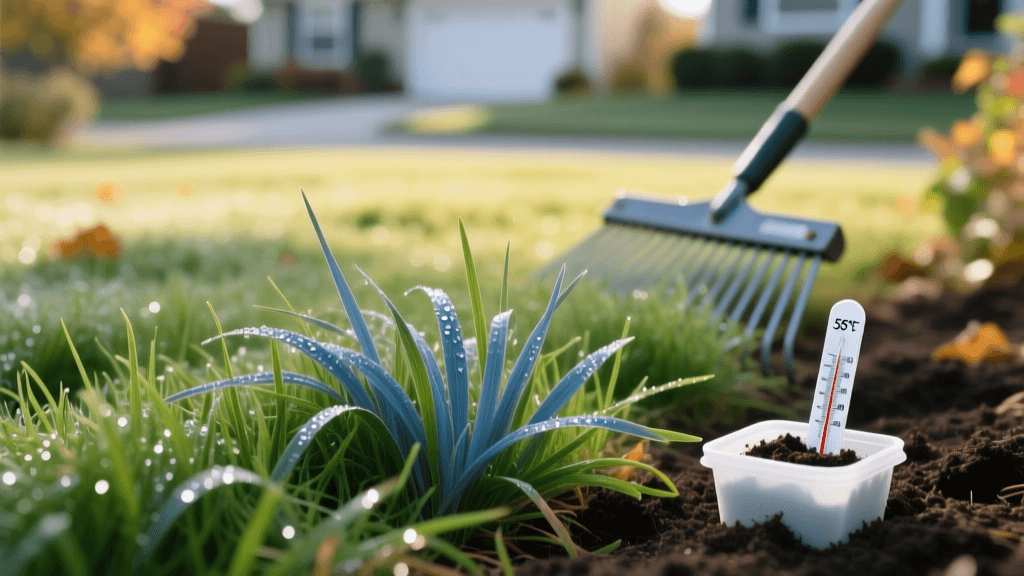
To accurately measure your soil temperature, invest in a standard soil thermometer or a digital meat thermometer dedicated to gardening. Insert the probe 2 to 4 inches into the ground, which is the depth where the seed will be resting and where the initial root zone will develop. Take the reading in the morning for a conservative baseline, or take readings over three consecutive days and average them out to ensure the temperature is stable and not just a temporary spike.
Step-by-Step Pre-Planting Preparation Schedule
Timing your planting is only half the battle; timing your site preparation is equally crucial. Follow this structured schedule to ensure your soil is perfectly primed when the optimal planting window arrives.
- 4 to 6 Weeks Before Planting: Conduct a comprehensive soil test using a kit from a local university extension or a service like MySoil. This will dictate your exact pH and nutrient needs. If your soil pH is too low (acidic), apply pelletized lime now, as it takes weeks to alter soil chemistry.
- 2 to 3 Weeks Before Planting: Kill off existing weeds and poor grass. You can use a non-selective herbicide like glyphosate, but you must wait the exact duration specified on the label before planting new seed. Alternatively, use solarization or manual tilling to remove weeds.
- 1 Week Before Planting: Till the top 2 to 3 inches of soil to relieve compaction. Incorporate organic matter or a starter fertilizer high in phosphorus (such as Scotts Turf Builder Starter Food for New Grass) to promote rapid root development. Rake the area completely level to prevent water pooling.
- Day of Planting: Use a broadcast or drop spreader to apply the seed at the rate specified on the bag. Rake the seed lightly so it is covered by no more than 1/4 inch of soil. Roll the area with a lawn roller to ensure maximum seed-to-soil contact, which is vital for moisture absorption.
Common Timing Mistakes to Avoid
Even experienced gardeners can fall victim to seasonal timing errors. Avoid these common pitfalls to protect your investment:
Planting Cool-Season Grass Too Late in Fall: If you plant Kentucky Bluegrass in late November, the seeds may germinate, but the seedlings will not have enough time to establish a root system before the ground freezes. Winter frost heave can literally push the shallow roots out of the soil, killing the grass. Always aim to plant at least 45 days before your area's average first killing frost.
Planting Warm-Season Grass in Late Summer: Planting Bermudagrass or Zoysia in August or September is a recipe for disaster. While the seed might sprout, the approaching cool nights will trigger early dormancy before the roots can anchor, leaving you with dead patches the following spring.
Ignoring the Weather Forecast: Even if the calendar says it is time to plant, avoid seeding if a massive torrential rainstorm is forecasted for the next 48 hours. Heavy downpours will wash away your expensive seed and carefully graded topsoil before it even has a chance to settle.
Expert Tip: According to Clemson University Cooperative Extension, maintaining consistent moisture in the top inch of soil is non-negotiable during the germination phase. This means you may need to set your irrigation system to water lightly two to three times a day for the first two weeks, regardless of the season, to prevent the delicate seeds from drying out and dying.
Conclusion
Mastering the seasonal timing and planting schedules for your specific grass type is the cornerstone of professional-level lawn care. By respecting the biological needs of cool-season and warm-season grasses, monitoring your soil temperature, and following a strict pre-planting preparation calendar, you can bypass the frustration of patchy germination and weed-infested turf. Remember that patience and precision in your seasonal timing will ultimately reward you with a dense, vibrant, and deeply rooted lawn that enhances your property for years to come.