Gardening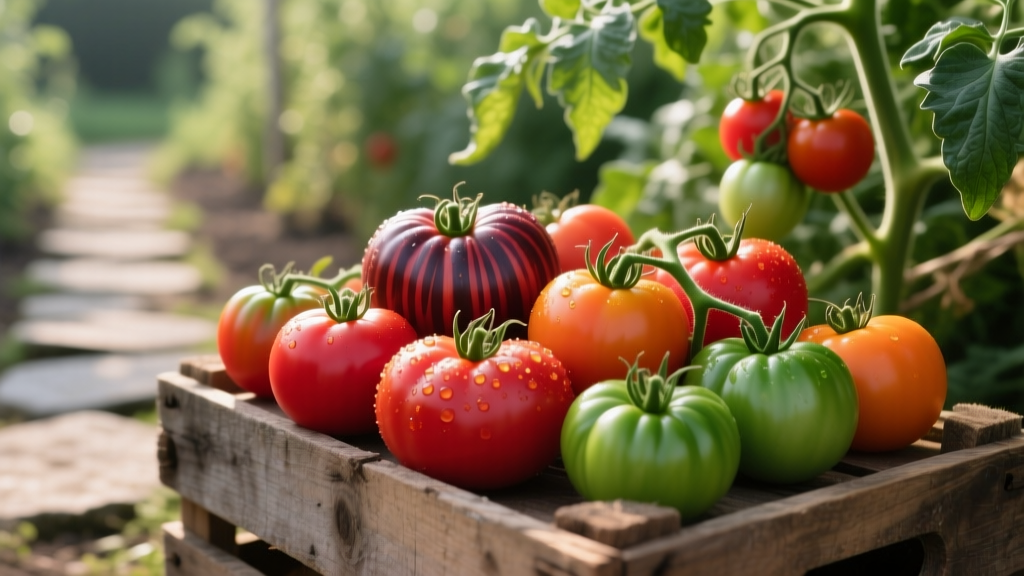
Best Tomato Varieties for Your Climate and Culinary Needs
Robert HayesPublished
The Art and Science of Tomato Variety Selection
Choosing the right tomato (Solanum lycopersicum) variety is the single most important decision you will make for your summer vegetable garden. With thousands of cultivars available, selecting the perfect seed or transplant goes far beyond simply picking a color or size. Successful tomato cultivation requires matching the plant's genetic traits to your local USDA hardiness zone, the length of your growing season, your garden's microclimate, and your ultimate culinary goals. Whether you are aiming to can dozens of jars of marinara sauce or simply want a sweet, bite-sized snack for your summer salads, understanding variety selection is the key to a bountiful harvest.
Growth Habits: Determinate vs. Indeterminate
Before selecting specific cultivars, you must understand the two primary growth habits of tomato plants, as this will dictate your garden layout, trellising needs, and pruning schedule.
Determinate (Bush) Varieties
Determinate tomatoes grow to a compact, genetically predetermined height—usually between 3 and 4 feet. They produce their entire crop over a concentrated period of two to three weeks, making them ideal for gardeners who want to harvest a large batch of fruit all at once for canning, making sauces, or freezing. Because of their bushy nature, they require minimal pruning and can often be supported with standard wire tomato cages. Popular determinate varieties include Roma VF and Bush Early Girl.
Indeterminate (Vining) Varieties
Indeterminate tomatoes continue to grow, flower, and produce fruit until they are killed by the first autumn frost. These plants can easily reach 6 to 10 feet in height and require robust trellising systems, such as heavy-duty steel T-posts with woven wire fencing or the Florida weave method. To maximize airflow and fruit production, indeterminate varieties require regular pruning of 'suckers' (the small shoots that grow in the leaf axils). Most heirloom slicing tomatoes and cherry tomatoes fall into this category.
Heirloom vs. Hybrid Tomatoes
The debate between heirloom and hybrid tomatoes is a cornerstone of variety selection. Neither is objectively superior; rather, they serve different gardening philosophies and environmental conditions.
- Heirloom Tomatoes: These are open-pollinated varieties that have been passed down for at least 50 years. Seeds saved from heirlooms will grow 'true to type' the following year. They are celebrated for their complex, exceptional flavors and diverse colors (like the deep purple Cherokee Purple or the striped Green Zebra). However, they often lack modern disease resistance and can be prone to cracking.
- Hybrid Tomatoes: Hybrids are created by cross-pollinating two distinct parent plants to combine desirable traits, such as high yield, uniform fruit shape, and robust disease resistance. While you cannot save their seeds (the offspring will be unpredictable), hybrids like Better Boy and Sun Gold are incredibly reliable and vigorous, making them excellent choices for beginners or regions with high disease pressure.
Matching Varieties to Your Climate Zone
Your local climate dictates the 'Days to Maturity' (DTM) you should target on your seed packets. According to the University of Minnesota Extension, aligning your variety's DTM with your frost-free window is critical for avoiding late-season crop loss.
Short-Season Climates (USDA Zones 3-5)
In northern regions with fewer than 100 frost-free days, you must select early-maturing varieties (50-65 DTM). Look for cold-tolerant hybrids and fast-growing types like Sub-Arctic Plenty, Siberian, and Early Girl. Start these seeds indoors 6 to 8 weeks before the last expected spring frost.
Mid-Season Climates (USDA Zones 6-8)
Gardeners in the Midwest and Mid-Atlantic have the luxury of growing almost any variety, including long-season heirlooms (75-90 DTM). This is the ideal zone for massive beefsteaks like Brandywine and Mortgage Lifter, as well as reliable mid-season hybrids like Celebrity.
Hot and Humid Climates (USDA Zones 9-11)
In the Deep South and Southwest, extreme heat is the primary adversary. Experts at Texas A&M Aggie Horticulture note that tomato blossoms will drop without setting fruit if daytime temperatures consistently exceed 90°F and nighttime temperatures remain above 75°F. For these zones, select 'heat-set' varieties specifically bred to pollinate in high temperatures, such as Solar Fire, Heatmaster, and Arkansas Traveler.
Culinary Selection Guide
Tomatoes are bred for specific textural and moisture profiles. Planting the right type for your kitchen needs will vastly improve your culinary results. The Johnny's Selected Seeds Grower's Library categorizes tomatoes by their optimal end-use to help gardeners plan their beds effectively.
| Culinary Use | Recommended Variety | Type | Days to Maturity |
|---|---|---|---|
| Fresh Slicing & Sandwiches | Brandywine | Indeterminate Heirloom | 85-100 |
| Salads & Snacking | Sun Gold | Indeterminate Hybrid | 57-65 |
| Sauces, Paste & Canning | San Marzano | Indeterminate Heirloom | 75-85 |
| Short-Season Slicing | Early Girl | Indeterminate Hybrid | 50-60 |
| Container & Bulk Canning | Roma VF | Determinate Hybrid | 75-80 |
Decoding Disease Resistance Labels
When purchasing hybrid seeds or nursery transplants, you will often see a string of capital letters following the variety name (e.g., Celebrity VFFNTA). These letters indicate genetic resistance to specific soil-borne and foliar pathogens. Selecting resistant varieties is the most cost-effective and organic-friendly method of disease management.
- V: Verticillium Wilt (a soil-borne fungus that causes yellowing and wilting).
- F (or FF): Fusarium Wilt (FF indicates resistance to both Race 1 and Race 2 strains).
- N: Root-Knot Nematodes (microscopic soil worms that destroy root systems).
- T: Tobacco Mosaic Virus (causes mottled leaves and stunted growth).
- A: Alternaria Stem Canker.
- LB: Late Blight (the devastating pathogen responsible for the Irish Potato Famine, which thrives in cool, wet conditions).
Soil Preparation and Planting Depths
Even the most carefully selected tomato variety will fail in poor soil. Tomatoes are heavy feeders that require well-draining, loamy soil with a slightly acidic pH between 6.2 and 6.8. Before transplanting, amend your garden beds with 2 to 3 inches of high-quality organic compost. To prevent Blossom End Rot—a physiological disorder caused by calcium uptake issues often triggered by uneven watering—mix a handful of crushed eggshells or a specialized organic calcium amendment into the bottom of the planting hole.
Unlike most garden plants, tomatoes should be planted deeply. Bury the stem up to the first set of true leaves (removing any lower leaves that will be underground). The buried stem will sprout adventitious roots, creating a massive, drought-resistant root system that anchors the heavy plant and maximizes nutrient absorption. Space determinate varieties 24 inches apart, and indeterminate varieties 36 inches apart to ensure adequate airflow, which is critical for preventing fungal diseases like Early Blight and Septoria Leaf Spot.
Final Thoughts on Selection
Ultimately, the best approach to variety selection is diversification. By planting a mix of early-maturing hybrids for a guaranteed early harvest, a few reliable paste tomatoes for the pantry, and at least one highly-prized heirloom for peak summer flavor, you insulate your garden against unpredictable weather and ensure your kitchen is well-stocked from early July straight through to the first autumn frost.
