
Tree Care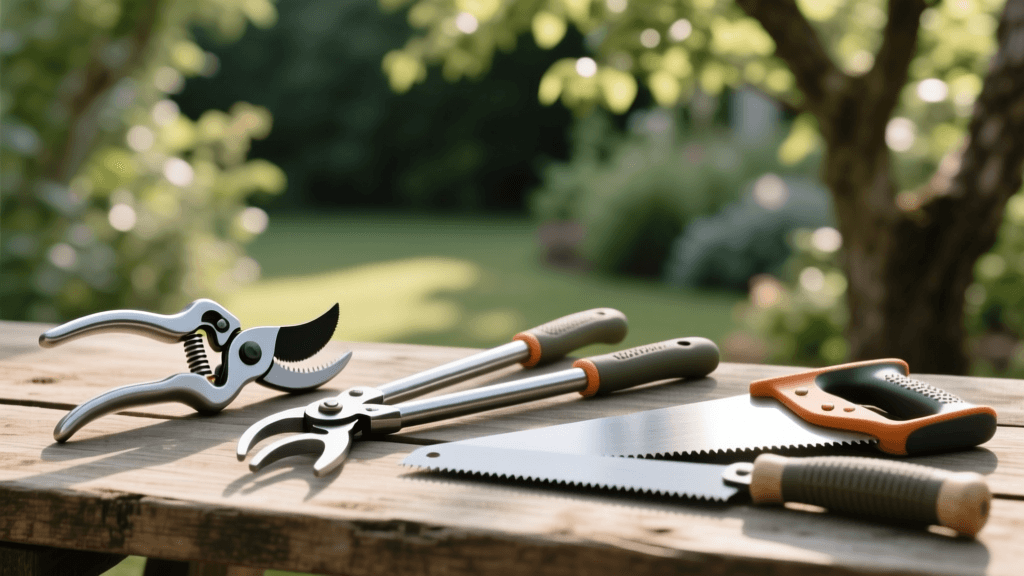
Best Tree Pruning Tools: Hand Pruners, Loppers and Saws
Introduction to Tree Pruning Tools
Trees are a long-term investment in your property's aesthetic, ecological, and financial value. However, maintaining their health, structural integrity, and safety requires routine and strategic pruning. According to the Arbor Day Foundation, proper pruning is essential for removing dead or diseased wood, improving air circulation, and shaping the tree for optimal growth. But the efficacy of your pruning efforts is entirely dependent on the tools you use. Using dull, inappropriate, or poorly maintained tools can crush tree tissue, tear bark, and create jagged wounds that take years to compartmentalize. These open wounds leave the tree highly vulnerable to wood-boring pests and fungal infections. In this comprehensive guide, we will explore the essential tree pruning tools every homeowner and landscaping enthusiast needs, breaking down hand pruners, loppers, and pruning saws to help you make informed, high-quality purchasing decisions.
Hand Pruners (Secateurs): Precision for Small Branches
Hand pruners, often called secateurs, are the workhorses of the garden. They are designed for one-handed operation and are ideal for cutting small branches, twigs, and stems. There are two primary types of hand pruners: bypass and anvil.
Bypass vs. Anvil Pruners
Bypass pruners operate like scissors, with a sharp curved blade passing closely by a thicker lower hook. This design creates a clean, precise cut that heals quickly, making bypass pruners the mandatory choice for live, green wood. The Felco 2 Classic is widely considered the industry standard among professionals due to its replaceable hardened steel blade, sap groove, and ergonomic handles. Anvil pruners, on the other hand, feature a straight blade that closes onto a flat, lower anvil block. While they offer more crushing power for dead, brittle wood, they can easily crush live tissue and should never be used on growing branches. When selecting hand pruners, look for forged steel construction and a wire-cutting notch to protect the primary blade edge. Most high-quality hand pruners can cleanly sever branches up to 3/4 inch in diameter.
Loppers: Leverage for Medium Branches
When a branch exceeds the capacity of your hand pruners, it is time to reach for loppers. Loppers feature long handles that provide the mechanical leverage needed to cut through thicker wood while keeping you at a safe distance from the canopy. Like hand pruners, loppers come in bypass and anvil varieties. Bypass loppers are best for live branches up to 2 inches thick, ensuring a smooth cut that promotes rapid callus growth. Anvil loppers are better suited for clearing out deadwood deep within the canopy where a perfect cut is less critical.
Compound Action and Ratcheting Mechanisms
For homeowners with limited grip strength or those tackling dense, hardwood species like oak or hickory, ratcheting or compound-action loppers are highly recommended. These mechanisms multiply your hand force through a series of gears or pivots, allowing you to slice through 2-inch branches with minimal physical strain. The Fiskars PowerGear2 series is a prime example of compound action technology that reduces the physical toll of heavy pruning sessions. Always ensure the lopper handles are made of lightweight aluminum or fiberglass to reduce arm fatigue, and check that the bumpers at the base of the handles are intact to absorb shock upon closure.
Pruning Saws: Power for Large Limbs
For branches larger than 2 to 2.5 inches in diameter, pruners and loppers will struggle, bend, and potentially cause severe bark tearing. This is where a dedicated pruning saw becomes indispensable. Pruning saws feature aggressive, razor-sharp teeth designed to cut efficiently on the pull stroke, which prevents the thin blade from bending or buckling under pressure.
Tooth Design and Blade Types
Modern pruning saws utilize 'tri-cut' or impulse-hardened teeth that slice through wood fibers cleanly, leaving a remarkably smooth surface that requires no secondary shaving. The Silky Gomboy is a favorite among professional arborists for its folding design, exceptional Japanese steel blade, and ergonomic rubberized grip. When choosing a saw, consider the tooth pitch (teeth per inch or TPI). A lower TPI (around 5-7) is ideal for fast, aggressive cutting of large, rough branches, while a higher TPI (8-10) provides a smoother finish on smaller, delicate limbs. Folding saws are safer for storage and transport, while fixed-blade saws with scabbards offer faster deployment for professional or heavy-duty use.
Pole Pruners and Saws: Reaching the Canopy
Not all pruning happens at ground level. Reaching into the upper canopy requires specialized pole tools. Pole pruners typically combine a bypass pruner head operated by a pulley and rope system with an extendable pole. Many models also include a small pruning saw blade attached below the pruner head. When selecting a pole tool, prioritize weight and rigidity. Aluminum poles can become dangerously heavy and whippy when fully extended, whereas fiberglass poles offer superior stiffness and are non-conductive, providing a critical safety margin. The University of Minnesota Extension strongly advises against pruning any branches that are within 10 feet of power lines, leaving those tasks strictly to certified utility arborists.
Tool Maintenance and Sanitation
Investing in premium tools is only half the battle; maintaining them is equally crucial. After every use, wipe down blades with a stiff brush and warm soapy water to remove sap and plant resins. Dry the blades thoroughly and apply a light coat of camellia oil or 3-in-One oil to prevent rust and keep the pivot points moving smoothly. Sharpening should be done regularly using a diamond file or whetstone, always following the original factory bevel angle.
Preventing Disease Transmission
More importantly, tool sanitation is a non-negotiable practice in modern arboriculture. Diseases such as Oak Wilt, Dutch Elm Disease, and Fire Blight are easily transmitted through microscopic spores left on dirty blades. The Penn State Extension recommends disinfecting your tools between every cut when working on a diseased tree, and at least between every tree during routine pruning. A 70% isopropyl alcohol solution or a 10% bleach solution (1 part bleach to 9 parts water) are effective sanitizers. Note that bleach can be corrosive to steel, so if you use it, you must rinse and oil the blades immediately afterward.
The Three-Cut Method
Regardless of the tool you use, the technique dictates the health of the wound. For any branch larger than an inch, never attempt a single flush cut, as the weight of the falling branch will strip the bark down the trunk, causing catastrophic damage. Instead, use the three-cut method:
- Cut 1 (The Undercut): Make an undercut about 6 to 12 inches away from the trunk, cutting about one-third of the way through the bottom of the branch.
- Cut 2 (The Top Cut): Make a top cut an inch further out from the undercut, allowing the heavy branch to fall cleanly without tearing the trunk bark.
- Cut 3 (The Finishing Cut): Make the final cut just outside the branch collar—the swollen, wrinkled area where the branch meets the trunk. Never cut flush against the trunk, as this removes the tree's natural defense zone and prevents proper compartmentalization.
Tree Pruning Tools Comparison Chart
| Tool Type | Max Branch Diameter | Best Use Case | Estimated Cost Range |
|---|---|---|---|
| Bypass Hand Pruner | Up to 3/4 inch | Precision cuts on live, green twigs and small branches | $25 - $65 |
| Anvil Hand Pruner | Up to 1/2 inch | Clearing dead, brittle wood and dry stems | $15 - $40 |
| Bypass Loppers | Up to 2 inches | Medium live branches requiring leverage | $40 - $90 |
| Compound Loppers | Up to 2.5 inches | Hardwood branches where user grip strength is limited | $50 - $120 |
| Folding Pruning Saw | Up to 6 inches | Large limbs, tight canopy spaces, and portable use | $30 - $75 |
| Fixed Pruning Saw | Up to 8+ inches | Heavy-duty limbing and rapid, aggressive cutting | $40 - $100 |
Conclusion
Equipping yourself with the right tree pruning tools is a fundamental step in responsible tree care. By matching the tool to the specific branch diameter and condition—using bypass pruners for live wood, loppers for leverage, and tri-cut saws for large limbs—you ensure that every cut promotes rapid healing and structural strength. Combine high-quality tools with rigorous sanitation practices and proper cutting techniques like the three-cut method, and your trees will thrive for generations to come.