Gardening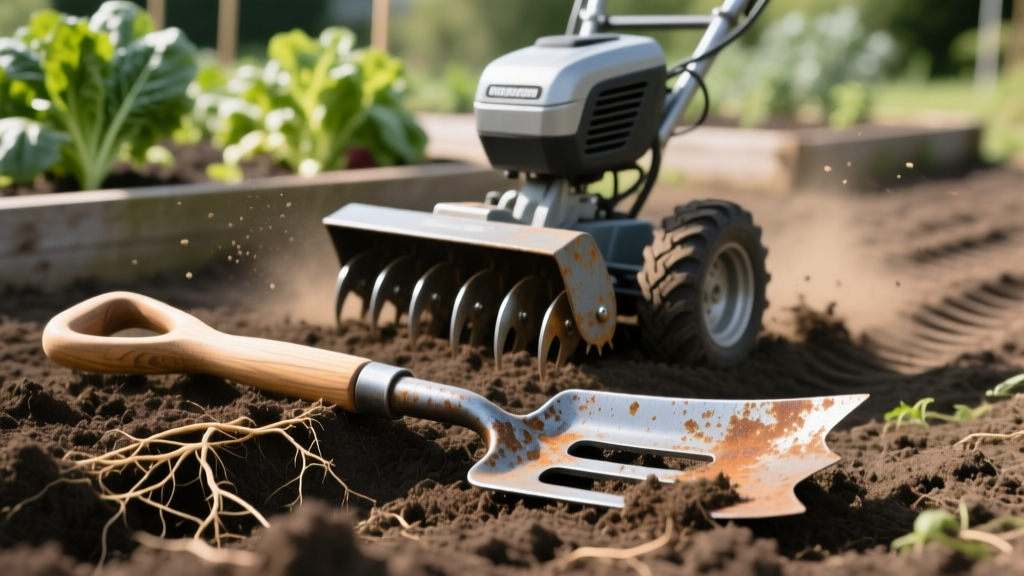
Broadfork vs Rototiller: Choosing Soil Aeration Tools
Anna KowalskiPublished
The Great Soil Aeration Debate: Tilling vs. No-Till
Gardening success starts well below the surface. Compacted soil restricts root growth, limits water infiltration, and stifles the complex soil food web necessary for nutrient cycling. When it comes to aerating and preparing garden beds, home gardeners typically face a crossroads: should you use a motorized rototiller or a manual broadfork? Both tools are designed to break up compacted earth and prepare a seedbed, but their long-term impacts on soil structure, weed management, and overall garden ecology are vastly different. In this comprehensive tools and equipment guide, we will break down the mechanics, costs, and agronomic impacts of broadforks and rototillers to help you choose the right equipment for your specific gardening needs.
Deep Dive: The Rototiller
How It Works
The rototiller is a mechanized piece of equipment that uses a set of rotating metal tines, driven by a small gas or electric engine, to aggressively churn and pulverize the top layer of soil. Rototillers generally come in two main configurations: front-tine and rear-tine models. Front-tine tillers are typically smaller, more maneuverable, and best suited for small to medium-sized raised beds or established gardens with relatively loose soil. Rear-tine tillers are heavy-duty machines designed to break new, hard, or rocky ground, featuring engine-driven wheels that push the machine forward while the tines rotate in the opposite direction for maximum digging power.
Pros and Cons of Mechanized Tilling
The primary advantage of the rototiller is speed and immediate gratification. A rear-tine tiller can turn a patch of stubborn sod into a fluffy, workable seedbed in a matter of minutes, saving immense physical labor. It also easily incorporates large volumes of compost, manure, or cover crop residue into the top six to eight inches of soil.
However, the long-term agronomic drawbacks of frequent tilling are significant. The aggressive churning action destroys soil aggregates and severs the delicate networks of mycorrhizal fungi that help plant roots absorb water and phosphorus. Furthermore, repeated tilling at the exact same depth creates a 'tillage pan' or hardpan—a dense, compacted layer of soil just below the reach of the tines that restricts deep root penetration and drainage. Finally, tilling brings dormant weed seeds to the surface, exposing them to sunlight and triggering massive weed germination flushes.
Deep Dive: The Broadfork
How It Works
The broadfork (sometimes called a Grelinette or U-bar digger) is a manual, deep-soil aeration tool consisting of four to five heavy-duty steel tines attached to a horizontal crossbar, with two long handles extending upward in a U-shape. Unlike a standard garden fork, the broadfork is designed to use the gardener's body weight and leverage to fracture compacted soil deep underground without turning it over or inverting the soil layers.
Pros and Cons of Manual Aeration
The broadfork is the cornerstone tool of the no-till and regenerative gardening movements. By simply lifting and fracturing the soil, the broadfork creates deep channels for air, water, and earthworms to penetrate, while leaving the soil horizons and the microbial ecosystem completely intact. Because the soil is not inverted, weed seeds remain buried in the dark, drastically reducing weed pressure in subsequent seasons.
The main drawback is the physical exertion required. While ergonomically designed to reduce back strain compared to traditional hand digging, using a broadfork on heavy clay or severely compacted soil is a demanding cardiovascular workout. Additionally, it is not an effective tool for incorporating large amounts of organic matter into the topsoil; compost must be applied as a top-dressing after broadforking.
Head-to-Head Comparison Chart
| Feature | Rototiller (Rear-Tine) | Broadfork |
|---|---|---|
| Initial Cost | $600 - $1,500+ | $80 - $250 |
| Maintenance | High (Oil, spark plugs, belts) | Low (Cleaning, occasional sharpening) |
| Soil Structure Impact | Pulverizes aggregates; creates hardpan | Preserves aggregates; fractures deep |
| Weed Seed Germination | High (Brings seeds to surface) | Low (Leaves seeds buried) |
| Organic Matter Incorporation | Excellent (Mixes deeply) | Poor (Requires top-dressing) |
| Best Use Case | Breaking new ground; initial bed prep | Maintaining established beds; no-till |
The Hidden Costs: Hardpans and the Soil Food Web
To understand why many master gardeners and commercial organic farmers are transitioning away from rototillers, we must look at the science of soil health. According to the Cornell Soil Health Laboratory, physical soil structure—specifically aggregate stability—is one of the most critical indicators of soil health. Aggregates are clusters of soil particles bound together by organic matter and fungal hyphae. They create the pore spaces necessary for water retention and root respiration. The violent action of a rototiller shatters these aggregates, leaving the soil vulnerable to crusting, erosion, and compaction from the next heavy rain.
Furthermore, the USDA Natural Resources Conservation Service (NRCS) emphasizes that minimizing soil disturbance is a core principle of building soil organic matter. Every time you till, you inject a massive dose of oxygen into the soil, which causes soil microbes to rapidly consume organic matter (a process called mineralization). While this provides a quick burst of nitrogen to your plants, it rapidly depletes your soil's long-term carbon bank. For gardeners utilizing cover crops to build soil, resources like the Sustainable Agriculture Research and Education (SARE) program heavily advocate for no-till termination methods, noting that preserving the root channels of previous crops significantly improves water infiltration and drought resilience.
Step-by-Step Broadfork Technique
If you decide to invest in a broadfork, proper technique is essential to maximize aeration while minimizing physical fatigue. Follow these steps for optimal results:
- Step 1: Check Soil Moisture. Never broadfork soil that is soaking wet, as this will smear the clay and worsen compaction. The soil should be moist but crumbly. If you squeeze a handful, it should hold together but shatter easily when poked.
- Step 2: Plunge the Tines. Stand behind the tool, grab the handles, and use your foot to step onto the horizontal crossbar, driving the 10-inch tines straight down into the soil.
- Step 3: Leverage and Fracture. With the tines fully buried, pull the handles backward toward your body. Do not lift the tool up; simply pull back until you see the soil surface crack and lift slightly.
- Step 4: Retreat and Repeat. Pull the tool straight up and out of the ground, step backward about six to eight inches, and repeat the process across the entire bed.
Pro Tip: After broadforking, apply a one-inch layer of high-quality compost or leaf mold to the surface. Water it in, and let the earthworms do the work of pulling the organic matter down into the freshly created aeration channels.
Buying Guide: What to Look For
Selecting a Broadfork
When shopping for a broadfork, pay close attention to the materials and dimensions. The tines should be made of high-carbon, heat-treated steel to prevent bending in rocky soil. Look for tines that are at least 10 to 12 inches long and slightly tapered. Handle material is a matter of preference: traditional ash wood handles offer excellent shock absorption and a classic feel, while fiberglass or all-welded steel models provide indestructible durability at the cost of increased weight. Expect to spend between $120 and $200 for a professional-grade broadfork from reputable manufacturers like Johnny's Selected Seeds or Meadow Creature.
Selecting a Rototiller
If your primary goal is breaking new ground or expanding your garden footprint into heavy sod, a rototiller is still the most practical choice. For gardens under 1,000 square feet, a mid-sized front-tine tiller with a 100cc to 150cc engine is usually sufficient. Ensure the machine has adjustable tine widths so you can narrow it down for working between rows in established beds. Always check the warranty on the gearbox, as this is the most common point of failure on budget tillers. Remember to factor in the ongoing costs of ethanol-free gasoline, annual oil changes, and winterization procedures to keep the carburetor from gumming up during the off-season.
Conclusion
The choice between a broadfork and a rototiller is rarely an either-or scenario; rather, it is about using the right tool for the specific stage of your garden's lifecycle. A rototiller is an unmatched ally when you are first establishing a garden, breaking through thick turf, and rapidly incorporating initial amendments. However, once your raised beds or in-ground rows are established, transitioning to a broadfork will protect your soil structure, preserve the vital fungal networks, and drastically reduce your weekly weeding chores. By understanding the mechanical and ecological impacts of your soil aeration tools, you can cultivate a garden that is not only highly productive this season, but structurally resilient for decades to come.
