Home & Garden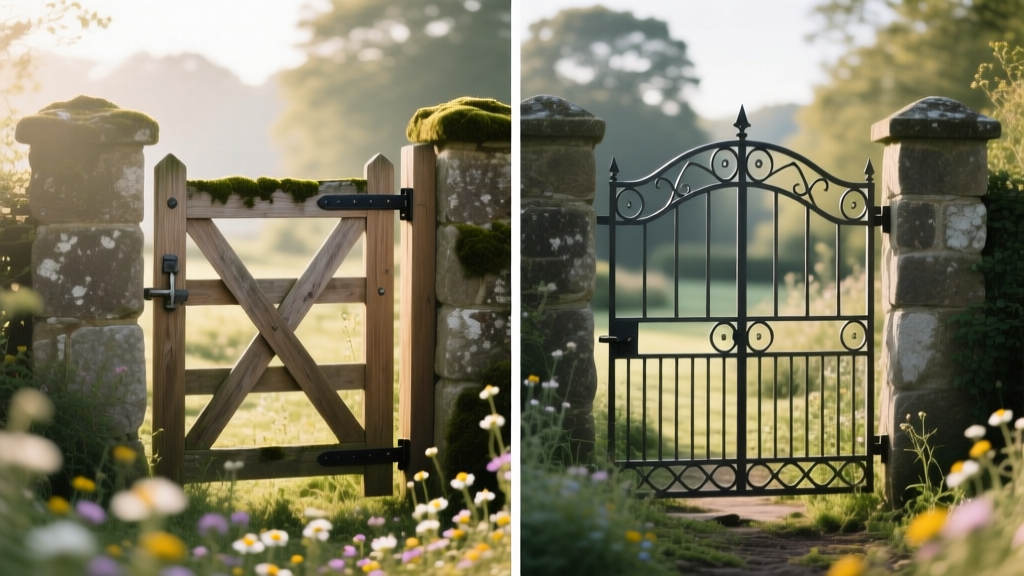
2026 Garden Gates: Cedar vs Iron for Wildlife Control
Lisa ThompsonPublished
The Critical Role of Garden Gates in Wildlife Management
As urban and suburban sprawl continues to intersect with natural habitats in 2026, effective wildlife and yard animal management has become a top priority for homeowners. While many invest heavily in perimeter fencing to protect their garden-to-table crops and ornamental landscapes, the gate remains the single most vulnerable point of entry. A fence is only as strong as its weakest link, and a poorly designed or improperly functioning gate can render an entire wildlife exclusion system useless.
When designing a garden gate specifically for wildlife deterrence, homeowners generally choose between two primary materials: solid cedar and wrought iron. Both offer distinct advantages and vulnerabilities when dealing with local fauna such as deer, rabbits, raccoons, and coyotes. Furthermore, the integration of modern self-closing hinges has revolutionized perimeter security, eliminating the most common cause of wildlife intrusion: human error. In this comprehensive guide, we will break down the effectiveness of cedar versus wrought iron gates and explore the best self-closing hardware available in 2026 to keep your yard secure.
Cedar Garden Gates: The Solid Barrier Approach
Cedar has long been a staple in outdoor woodworking due to its natural resistance to rot and insects. In 2026, thermally modified Western Red Cedar has become the industry standard for premium garden gates, offering enhanced dimensional stability and a lifespan that rivals composite materials without the use of harsh chemical preservatives.
Advantages for Wildlife Exclusion
The primary advantage of a solid cedar gate in wildlife management is visual obstruction. According to research highlighted by the USDA APHIS Wildlife Damage Management program, deer rely heavily on depth perception and visual confirmation of a safe landing zone before attempting to jump a barrier. A solid cedar gate that is at least 6 feet tall blocks their line of sight, significantly reducing the likelihood that they will attempt to leap over it. Additionally, solid wood panels prevent smaller animals like rabbits and groundhogs from squeezing through gaps, provided the bottom edge is properly sealed against the terrain.
Drawbacks and Vulnerabilities
Despite its visual benefits, cedar is susceptible to digging. Coyotes and foxes can easily excavate beneath a wooden gate if the soil is soft. Furthermore, horizontal wooden rails on the interior of the gate can act as a ladder for climbing animals like raccoons and opossums. To mitigate this, modern cedar gate designs in 2026 emphasize vertical board-on-board construction or recessed interior framing to eliminate climbing footholds.
Wrought Iron Garden Gates: The Durable but Permeable Option
Wrought iron offers an elegant, highly durable alternative to wood. Modern 2026 wrought iron gates are typically fabricated from powder-coated steel or aluminum alloys that mimic the look of traditional iron while offering superior rust resistance and zero maintenance requirements.
Advantages for Wildlife Exclusion
Wrought iron is virtually indestructible when it comes to chewing, scratching, and brute force. It is highly effective at deterring large predators and aggressive foragers like bears or feral hogs, depending on your region. The material will not warp, sag, or rot, ensuring that the structural integrity of your gate remains consistent year after year, which is vital for maintaining precise gap tolerances that keep small animals out.
Drawbacks and Vulnerabilities
The permeability of wrought iron is its biggest flaw in wildlife management. Because deer can see through the bars, they are much more likely to attempt a jump, as they can clearly identify the landing zone on the other side. Furthermore, if the vertical bars are spaced more than 3 inches apart, slender animals like raccoons, skunks, and large rats can easily slip through. Finally, ornamental wrought iron gates often feature decorative horizontal bands or intricate scrollwork, which unfortunately serve as perfect climbing rungs for raccoons and neighborhood cats.
The Game Changer: Self-Closing Hinges for Animal Control
No matter how well-designed your gate is, it cannot protect your garden if it is left open. The University of Minnesota Extension notes that human forgetfulness is the leading cause of garden damage by nocturnal wildlife. Installing a heavy-duty self-closing hinge is no longer optional for serious gardeners; it is a mandatory component of yard animal management.
In 2026, hydraulic and pneumatic self-closing hinges have largely replaced traditional spring hinges, which were notorious for slamming loudly and causing latch bounce. Latch bounce occurs when the gate hits the frame with too much force, rebounds, and fails to engage the latch, leaving the gate slightly ajar—a gap that raccoons are expert at exploiting.
- Hydraulic Hinges (e.g., Locinox VULKAN series): These offer adjustable closing speeds and a soft-catch mechanism. They can reliably close a 150-pound cedar or iron gate without slamming, ensuring the latch engages smoothly every time.
- Pneumatic Hinges: Ideal for lighter aluminum or composite gates, offering seasonal tension adjustments to account for temperature fluctuations and wind resistance.
- Anti-Sag Integration: Modern self-closing systems now feature built-in anti-sag cables or adjustable tension rods, preventing the gate from dragging on the ground and creating a gap that rabbits can use to enter.
Cedar vs. Wrought Iron: Wildlife Vulnerability Chart
To help you decide which material best suits your local ecosystem, refer to the comparison table below. This chart evaluates both materials against common yard intruders based on 2026 exclusion standards.
| Target Wildlife | Solid Cedar Gate (6ft+) | Wrought Iron Gate (6ft+) | Required Modifications for Iron |
|---|---|---|---|
| Deer | Excellent (Blocks landing zone visibility) | Poor (High jump risk due to visibility) | Add privacy slats or shade cloth |
| Rabbits | Good (If bottom gap is < 2 inches) | Good (If bar spacing is < 2 inches) | Install wire mesh at the base |
| Raccoons | Fair (Vulnerable if horizontal rails exist) | Poor (Ornamental scrollwork aids climbing) | Remove horizontal bars; use complex latches |
| Coyotes | Fair (Vulnerable to digging beneath) | Good (Highly resistant to physical breach) | Install a subterranean dig apron |
Best Practices for Gate Installation in 2026
Selecting the right material and hinge is only half the battle. Proper installation and base security are critical to ensuring your garden gate functions as an impenetrable wildlife barrier.
Securing the Perimeter Base
Animals are opportunistic diggers. To prevent coyotes, foxes, and groundhogs from burrowing under your gate, you must install an L-shaped dig apron. Trench a 12-inch deep and 12-inch wide L-shape along the inside of the gate threshold. Line this trench with 19-gauge galvanized hardware cloth (1/2-inch mesh) and backfill it with compacted soil or gravel. This ensures that when an animal attempts to dig at the base of the gate, they immediately hit the wire barrier and give up.
Latch Security Against Raccoons
Raccoons possess remarkable manual dexterity and can easily open simple gravity latches, hook-and-eye closures, and even basic carabiners. In 2026, the standard for wildlife-proof gates is the magnetic paddle latch or a dual-action locking mechanism. These latches require a combination of lifting, pressing, and pulling—actions that exceed the cognitive and physical capabilities of most wildlife. Ensure your self-closing hinge is calibrated to provide enough force to fully engage the magnetic latch without manual intervention.
Maintenance Schedules
Even the best materials require seasonal attention. For thermally modified cedar, apply a UV-inhibiting penetrating oil every 24 months to prevent the wood from graying and splintering, which can create small gaps. For wrought iron, inspect the powder coating annually for micro-chips, especially near the hinges and latch where metal-on-metal friction occurs, and touch up with a rust-inhibiting enamel to prevent structural degradation.
Conclusion
Effective wildlife and yard animal management requires a strategic approach to garden gate design. While solid cedar gates offer superior visual deterrence against leaping deer, wrought iron provides unmatched physical durability against brute force and chewing. Regardless of the material you choose, the integration of a high-quality, adjustable self-closing hinge is the most critical investment you can make in 2026. By eliminating human error and ensuring the gate latches securely every single time, you transform your garden from an easy buffet into a fortress, allowing your outdoor living space and garden-to-table harvests to thrive undisturbed.
