Home & Garden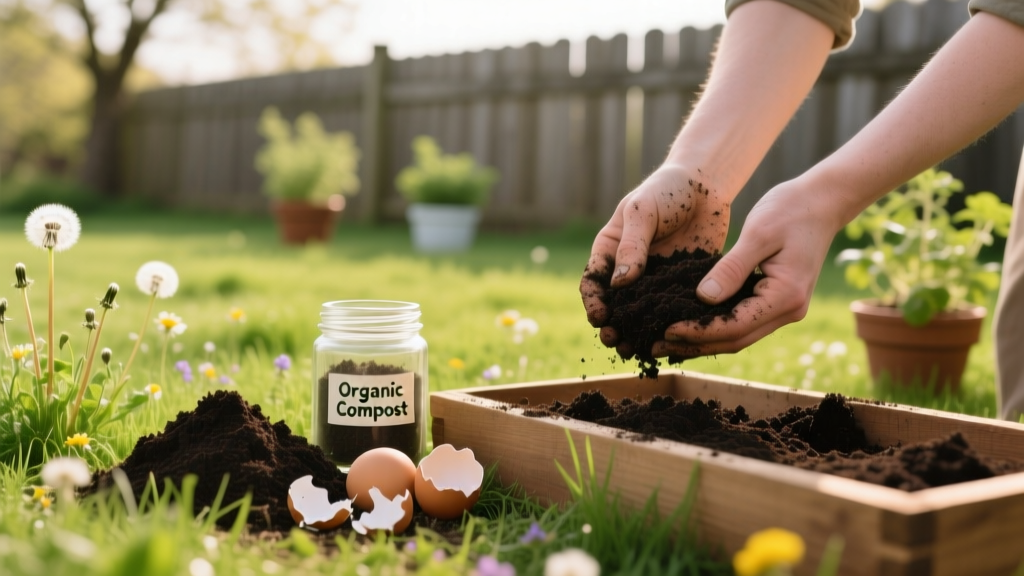
Chemical-Free Lawn Care: Organic Fertilizer Strategies
David ParkPublished
The Shift to Chemical-Free Lawn Care
For decades, the standard approach to achieving a flawless, emerald-green lawn has relied heavily on synthetic fertilizers, herbicides, and pesticides. While these chemical interventions offer rapid results, they often come at a significant cost to the environment, local waterways, and the long-term health of your soil. Today, a growing movement of homeowners and landscaping professionals are embracing chemical-free lawn care. By focusing on organic fertilizer strategies and natural soil amendments, you can cultivate a vibrant, resilient turf that thrives without synthetic inputs.
The core philosophy of organic lawn care is simple: feed the soil, not just the plant. Synthetic fertilizers provide a quick fix of water-soluble nutrients directly to the grass blades and roots, but they do nothing to improve the underlying soil structure. In fact, over time, salt-based synthetics can harm the beneficial microorganisms that naturally break down organic matter and make nutrients available to plants. By transitioning to a chemical-free approach, you invest in the soil food web, creating a living ecosystem that sustains your lawn for years to come.
Synthetic vs. Organic Fertilizers: A Comparison
Understanding the differences between conventional and organic products is the first step in making the switch. Below is a comparison chart highlighting how these two approaches impact your yard and the surrounding environment.
| Feature | Synthetic Fertilizer | Organic / Natural Fertilizer |
|---|---|---|
| Nutrient Release | Fast, water-soluble (immediate greening) | Slow, microbe-dependent (steady feeding) |
| Soil Health Impact | Can degrade microbiome and acidify soil | Builds organic matter and feeds microbes |
| Runoff & Leaching Risk | High (contributes to waterway eutrophication) | Very Low (nutrients bind to soil particles) |
| Burn Risk | High if over-applied or applied in heat | Extremely Low (gentle on roots) |
| Average Cost per 1,000 sq ft | $5 - $12 | $10 - $25 |
While the upfront cost of organic amendments may be slightly higher, the long-term benefits—including reduced water usage, fewer pest outbreaks, and decreased need for constant reapplication—make it a cost-effective choice over time. According to the United States Department of Agriculture (USDA), organic practices fundamentally improve soil biology, leading to better water retention and drought resistance, which ultimately lowers maintenance costs.
Top Organic Amendments for Your Lawn
To build a thick, chemical-free lawn, you need to supply a balanced diet of macronutrients (Nitrogen, Phosphorus, Potassium) and micronutrients. Here are the most effective organic amendments to incorporate into your lawn care routine.
1. Compost Topdressing
Compost is the undisputed king of organic lawn care. It is not just a fertilizer; it is a soil conditioner that introduces billions of beneficial bacteria and fungi to your yard. Topdressing involves spreading a thin layer of compost over your existing grass.
- Application Rate: Apply 1/4 to 1/2 inch of finely screened compost. One cubic yard of compost will cover approximately 1,000 square feet at a 1/3-inch depth.
- Timing: Early fall or early spring, ideally immediately after core aeration so the compost can penetrate the soil profile.
- Cost: $30 to $50 per cubic yard if bought in bulk from a local landscape supplier.
2. Alfalfa Meal
Alfalfa meal is a fantastic plant-based organic fertilizer with an approximate NPK ratio of 2-1-2. It is rich in trace minerals and contains triacontanol, a natural growth stimulant that encourages robust root development and microbial activity.
- Application Rate: 10 to 20 pounds per 1,000 square feet.
- Timing: Spring and early fall. Water it in thoroughly to prevent it from blowing away and to kickstart the decomposition process.
- Cost: $20 to $30 for a 50-pound bag.
3. Corn Gluten Meal
Corn gluten meal serves a dual purpose in the organic lawn. It provides a slow-release source of nitrogen (roughly 9-0-0) and acts as a natural pre-emergent herbicide, inhibiting the germination of weed seeds like crabgrass and dandelions.
- Application Rate: 20 pounds per 1,000 square feet for weed suppression.
- Timing: Apply in early spring when soil temperatures reach 55°F (just as forsythia bushes begin to bloom) and again in early fall.
- Cost: $40 to $50 for a 50-pound bag.
4. Liquid Kelp and Seaweed Extracts
While kelp does not provide significant amounts of NPK, it is packed with over 60 trace minerals, amino acids, and natural plant hormones (cytokinins and auxins). Liquid kelp is exceptional for helping grass withstand environmental stressors like summer heat, drought, and heavy foot traffic.
- Application Rate: Follow manufacturer dilution rates, typically 1 to 2 ounces per gallon of water, covering 1,000 square feet.
- Timing: Apply monthly during the active growing season as a foliar spray.
- Cost: $25 to $40 per quart of concentrate.
A Seasonal Chemical-Free Feeding Schedule
Timing is everything when feeding your lawn organically. Because organic fertilizers rely on soil microbes to break down the nutrients and make them available to the grass roots, they are only effective when soil temperatures are warm enough for microbial activity (typically above 50°F).
- Early Spring (April): Apply corn gluten meal to suppress weed seeds and provide a gentle nitrogen boost. Rake thoroughly to remove winter debris and allow sunlight to reach the soil.
- Late Spring (May/June): Apply a light dusting of alfalfa meal or a soybean-based organic fertilizer to sustain growth as temperatures rise.
- Summer (July/August): Focus on stress management. Apply liquid kelp extract to help the grass endure heat and drought. Avoid heavy granular feeding during peak summer dormancy.
- Early Fall (September): This is the most critical feeding window. Core aerate the lawn and follow up with a heavy compost topdressing. The cool, moist autumn weather is perfect for microbial breakdown and deep root growth.
- Late Fall (November): Apply a final round of alfalfa meal or an organic winterizer to help the grass store carbohydrates for the winter.
Complementary Organic Practices
Fertilizer alone will not create a pristine lawn. Chemical-free lawn care requires a holistic approach that mimics natural ecosystems. Researchers at the University of Minnesota Extension emphasize that proper mowing and watering techniques are just as crucial as the nutrients you apply.
- Mow High: Set your mower deck to 3 or 4 inches. Taller grass shades the soil, retaining moisture and preventing weed seeds from receiving the sunlight they need to germinate.
- Leave the Clippings: Grass clippings decompose rapidly and return up to 25% of the lawn's required nitrogen back to the soil. This practice, known as 'grasscycling,' is a free, organic fertilizer.
- Deep, Infrequent Watering: Water your lawn deeply (about 1 inch per week) rather than giving it a light sprinkle every day. This encourages roots to grow deep into the soil profile in search of moisture, creating a drought-tolerant turf.
- Core Aeration: Compacted soil starves roots and microbes of oxygen. Aerating your lawn once a year, particularly in high-traffic areas, relieves compaction and allows organic amendments to reach the root zone.
"A healthy lawn is a reflection of healthy soil. When you focus on building organic matter and fostering microbial life, the grass naturally develops the resilience to fight off pests and diseases without chemical intervention."
Transitioning Your Lawn: What to Expect
If you are transitioning a lawn that has been dependent on synthetic chemicals for years, patience is required. Synthetic fertilizers often create a 'junk food' effect, where the grass becomes addicted to quick hits of soluble nitrogen and the native soil biology goes dormant or dies off.
When you stop using synthetics and switch to organic methods, your lawn may go through a transition period lasting one to two seasons. During this time, the grass might appear slightly less vibrant or grow more slowly as the soil food web rebuilds itself. You may also see a temporary flush of weeds as the soil ecology rebalances. The environmental advocacy group Beyond Pesticides notes that tolerating a few weeds, such as nitrogen-fixing clover, is a natural and beneficial part of a chemical-free, biodiverse lawn ecosystem.
Stay the course. Continue topdressing with compost, mowing high, and utilizing organic amendments. By the second or third year, your soil structure will be rich, dark, and teeming with earthworms. Your grass will develop deep, extensive root systems, and you will be rewarded with a lush, thick, and naturally resilient lawn that is safe for your family, your pets, and the local watershed.
