Gardening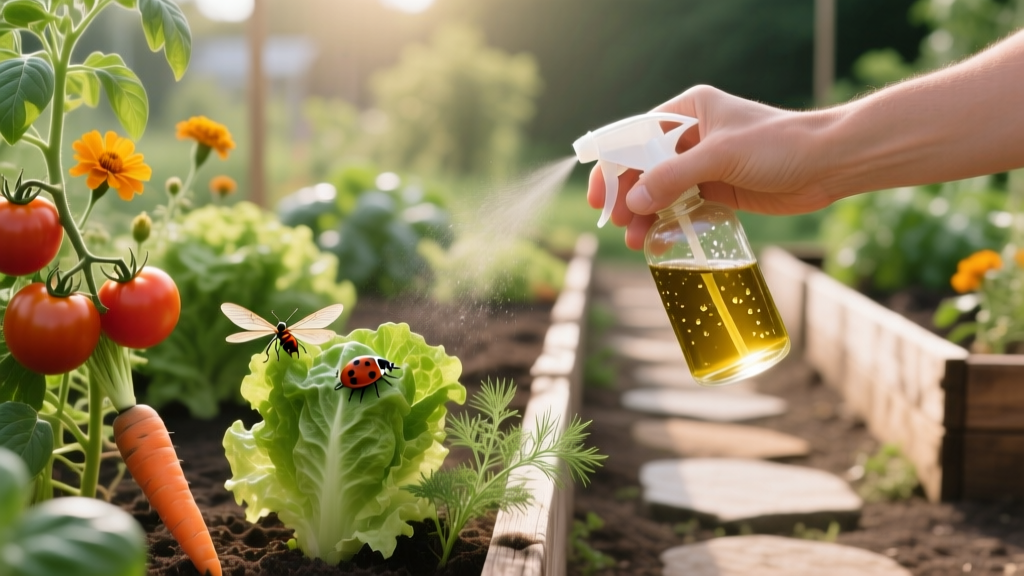
Organic Pest Control for Vegetable Gardens: A Chemical-Free Guide
James MillerPublished
The Philosophy of Ecological Balance in Organic Gardening
Transitioning to a chemical-free vegetable garden is not merely about eliminating synthetic pesticides; it is about cultivating a resilient, self-regulating ecosystem. When gardeners rely on broad-spectrum synthetic chemicals like neonicotinoids or pyrethroids, they inadvertently destroy the beneficial insect populations and soil microbiomes that naturally keep pests in check. According to the United States Department of Agriculture (USDA), organic and chemical-free management systems prioritize long-term soil health and ecological balance over quick-fix eradication. By adopting a chemical-free approach, you protect local waterways from toxic runoff, safeguard vital pollinators like bees and butterflies, and ensure that the vegetables you harvest are free from harmful synthetic residues.
Companion Planting: Nature's First Line of Defense
Companion planting is the strategic placement of different plant species in close proximity to maximize growth, repel pests, and attract beneficial insects. This ancient practice leverages the natural biochemical properties of plants to create a hostile environment for pests while providing a haven for predators. For example, the strong scent of aromatic herbs can mask the pheromones that pests use to locate their preferred host crops.
Trap cropping is another vital component of companion planting. By planting a highly attractive 'sacrificial' crop near your prized vegetables, you can draw pests away from your main harvest. Nasturtiums, for instance, are notorious for attracting aphids. By planting them a few feet away from your tomato or brassica beds, aphids will congregate on the nasturtiums, leaving your primary crops untouched.
Companion Planting Chart for Common Vegetables
| Primary Crop | Companion Plant | Target Pest | Mechanism of Action |
|---|---|---|---|
| Tomatoes | Basil, Marigolds | Hornworms, Nematodes | Aromatic masking; root exudates repel nematodes |
| Brassicas (Cabbage, Kale) | Nasturtiums, Thyme | Cabbage Loopers, Aphids | Trap cropping; thyme masks host plant scent |
| Carrots | Onions, Leeks | Carrot Rust Flies | Strong allium odors confuse the flies' olfactory sensors |
| Cucumbers | Radishes, Sunflowers | Cucumber Beetles | Radishes act as a trap crop; sunflowers attract predators |
| Beans | Rosemary, Petunias | Mexican Bean Beetles | Aromatic deterrent; petunias repel specific leafhoppers |
For a more comprehensive list of plant pairings, The Old Farmer's Almanac provides an extensive, historically validated companion planting guide that details which plants thrive together and which combinations lead to allelopathic competition.
DIY Organic Sprays: Recipes, Costs, and Application
When cultural controls and companion planting are not enough to manage a sudden pest outbreak, chemical-free gardeners must turn to organic, biodegradable sprays. Unlike synthetic chemicals that persist in the soil for months, these natural remedies break down rapidly in sunlight and moisture, leaving no toxic legacy.
1. Cold-Pressed Neem Oil Emulsion
Neem oil, derived from the seeds of the neem tree (Azadirachta indica), contains azadirachtin, a compound that disrupts the hormonal systems of insects, preventing them from molting and reproducing. It is crucial to purchase 100% cold-pressed neem oil rather than clarified hydrophobic extract, as the clarification process removes the active azadirachtin.
- Recipe: Mix 1 teaspoon of cold-pressed neem oil and 1/2 teaspoon of pure liquid castile soap (which acts as an emulsifier) into 1 quart of lukewarm water. Shake vigorously before every use, as the oil will naturally separate.
- Application Timing: Apply strictly at dusk or early dawn. Spraying during the heat of the day can cause phototoxicity (leaf burn), and spraying while bees are active can harm them if the wet spray directly contacts them. Once dry, neem oil poses no threat to pollinators.
- Cost Analysis: A 16-ounce bottle of high-quality cold-pressed neem oil costs approximately $15 to $20. Because the dilution rate is so low, a single bottle can yield over 30 gallons of foliar spray, making it one of the most cost-effective organic treatments available.
2. DIY Garlic and Chili Pepper Repellent
Capsaicin (from hot peppers) and allicin (from garlic) create a potent sensory deterrent that makes plant leaves highly unpalatable to chewing insects like caterpillars, grasshoppers, and flea beetles.
- Recipe: Blend 2 whole bulbs of garlic (peeled) and 2-3 hot habanero or jalapeño peppers with 2 cups of water. Let the mixture sit overnight, then strain it through a fine cheesecloth or coffee filter to prevent clogging your spray nozzle. Dilute the concentrated liquid at a ratio of 1 part concentrate to 10 parts water, and add 1 teaspoon of liquid castile soap to help the spray adhere to waxy leaf surfaces.
- Application Timing: Apply every 5 to 7 days, and immediately after heavy rainfall. Avoid using this spray on delicate seedlings, as the high capsaicin concentration can stunt tender growth.
3. Insecticidal Soap for Soft-Bodied Insects
For aphids, whiteflies, and spider mites, insecticidal soap is highly effective. The potassium salts of fatty acids penetrate the soft cuticles of these pests, causing rapid dehydration and death.
- Recipe: Mix 1 tablespoon of pure, additive-free liquid soap (such as Dr. Bronner's Pure-Castile Liquid Soap) per 1 quart of water. Do not use dishwashing detergents, as they contain degreasers and synthetic fragrances that will strip the protective cuticle off your plant leaves, leading to severe desiccation.
Beneficial Insects: Recruiting Natural Predators
A thriving organic garden is teeming with insect life. The goal is not to create a sterile environment, but to foster a balanced food web. Beneficial insects act as your unpaid labor force, patrolling your garden and consuming pests at an astonishing rate. According to The Xerces Society for Invertebrate Conservation, conservation biocontrol—the practice of modifying the environment to protect and enhance natural enemies of pests—is a cornerstone of sustainable agriculture.
To attract these predators, you must provide them with nectar and pollen, especially during their adult stages. Many beneficial insects, such as parasitic wasps, hoverflies, and lacewings, have short mouthparts and require shallow, accessible flowers. Planting umbellifers like dill, fennel, cilantro, and yarrow is an excellent strategy. Allowing these herbs to bolt and flower will transform your garden into a predator haven.
- Ladybugs (Coccinellidae): A single ladybug can consume up to 5,000 aphids in its lifetime. Attract them by planting dill, fennel, and calendula.
- Green Lacewings (Chrysoperla): Their larvae, often called 'aphid lions', are voracious predators. They are attracted to coreopsis, cosmos, and sweet alyssum.
- Parasitic Wasps (Braconidae): These non-stinging, microscopic wasps lay their eggs inside hornworms and caterpillars. Plant nectar-rich flowers like sweet alyssum and thyme to sustain the adults.
Cultural Practices for Pest Prevention
The most effective pest control happens before a pest is even spotted. Cultural practices involve manipulating the garden environment to make it inhospitable to pests while promoting vigorous plant growth.
Implementing Floating Row Covers
Floating row covers are lightweight, spun-bonded polypropylene fabrics that act as a physical barrier against flying insects. Products like Agribon AG-19 allow 85% of sunlight to penetrate while protecting plants down to 24°F (-4°C) and completely blocking pests like the cabbage white butterfly and the carrot rust fly from laying eggs on your crops. A 10x100 foot roll costs around $30 and can be reused for multiple seasons if stored out of UV light during the off-season. Ensure you bury the edges of the fabric in the soil or secure them with landscape pins so insects cannot crawl underneath.
Strategic Crop Rotation
Many soil-borne pests and diseases overwinter in the debris of their host plants. If you plant tomatoes in the exact same spot year after year, you invite a compounding population of blight spores and root-knot nematodes. Implement a strict four-year crop rotation plan based on plant families:
- Year 1: Solanaceae (Tomatoes, Peppers, Eggplants, Potatoes)
- Year 2: Fabaceae (Beans, Peas) - These will naturally fix nitrogen in the soil, replenishing what the heavy-feeding Solanaceae depleted.
- Year 3: Brassicaceae (Cabbage, Broccoli, Radishes, Kale)
- Year 4: Cucurbitaceae (Squash, Cucumbers, Melons)
By the time the rotation returns to the Solanaceae in Year 5, the specific pests and diseases that target that family will have starved and died off in the soil.
Building Soil Health: The Foundation of Immunity
Plants grown in biologically active, nutrient-dense soil possess a natural systemic immunity to pests. Insects are naturally drawn to weak, stressed plants because they emit specific volatile organic compounds (VOCs) that signal vulnerability. By top-dressing your garden beds with 2 to 3 inches of high-quality, thermophilic compost every spring, you introduce billions of beneficial bacteria and fungi. Furthermore, inoculating your planting holes with mycorrhizal fungi expands the root surface area by up to 1,000 times, allowing the plant to access water and phosphorus deep in the soil profile, thereby eliminating the drought stress that often triggers spider mite infestations.
Conclusion
Mastering chemical-free pest control requires patience, observation, and a willingness to work alongside nature rather than against it. By integrating companion planting, utilizing targeted DIY organic sprays, fostering beneficial insect populations, and maintaining rigorous cultural practices, you can cultivate a highly productive vegetable garden. The result is not just a bountiful harvest, but a vibrant, living ecosystem that sustains itself season after season.
