Home & Garden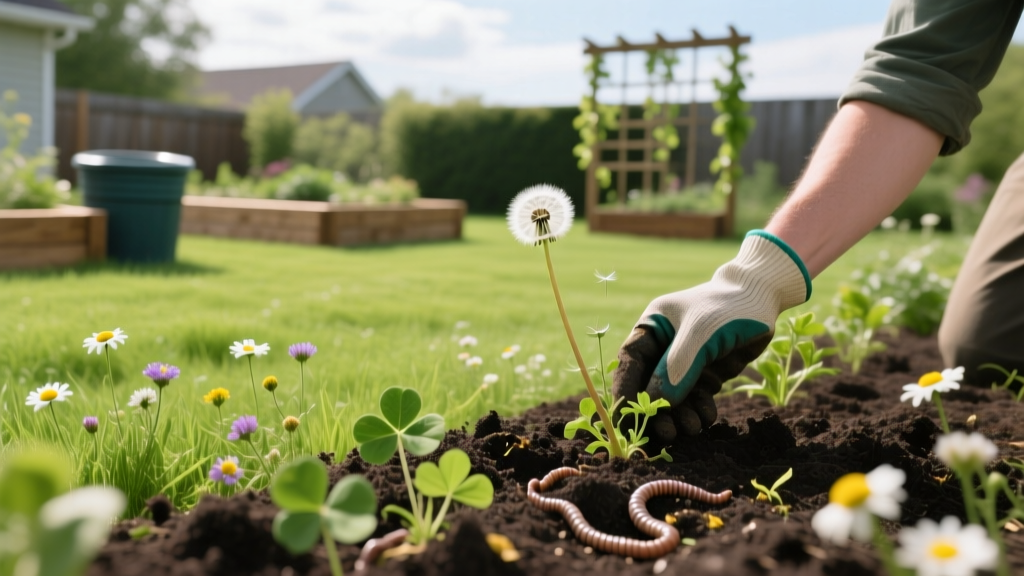
Chemical-Free Lawn Care: The Ultimate Organic Weed Guide
Emily WatsonPublished
The Shift to Chemical-Free Lawn Care
For decades, the standard approach to achieving a pristine, golf-course-green lawn has relied heavily on synthetic herbicides and chemical fertilizers. While these products offer quick results, a growing body of environmental and health research has prompted homeowners to seek chemical-free lawn care alternatives. Synthetic chemicals, such as glyphosate and 2,4-D, can leach into local water tables, harm beneficial soil microbiology, and pose risks to pets and children playing on the grass. According to the Environmental Protection Agency (EPA), adopting integrated pest management and organic lawn care practices significantly reduces the toxic runoff that pollutes our waterways. Transitioning to an organic approach is not just about avoiding chemicals; it is about fundamentally rebuilding the soil ecosystem so that your turf becomes naturally resilient to weed invasions.
Reading Your Weeds: Nature's Soil Test
In chemical-free lawn care, weeds are not merely pests to be eradicated; they are vital indicators of underlying soil imbalances. Before reaching for a tool or treatment, learn to read what your weeds are telling you about your yard's health:
- Broadleaf Plantain: This low-growing weed thrives in heavily compacted, clay-heavy soils. Its presence indicates that your lawn needs core aeration to relieve compaction and allow oxygen to reach grassroots.
- White Clover: Clover is a legume that fixes nitrogen from the air. If your lawn is overrun with clover, it is a clear sign that your soil is nitrogen-deficient. Instead of killing it, many organic gardeners choose to embrace clover as a natural, drought-tolerant fertilizer.
- Dandelions: Deep-taprooted dandelions often indicate alkaline soil or low calcium levels. They also thrive in lawns that are mowed too short, as they require direct sunlight to germinate.
- Creeping Charlie (Ground Ivy): This aggressive broadleaf weed favors shady, moist areas with poor soil fertility. Improving drainage and pruning overhead tree canopies can naturally suppress its growth.
Organic Pre-Emergent Strategies: Stopping Weeds Before They Start
The most effective organic weed control happens before the weeds ever break the soil surface. In conventional lawn care, synthetic pre-emergents create a chemical barrier that halts cell division in germinating seeds. In the organic realm, we rely on Corn Gluten Meal (CGM).
Discovered by researchers at Iowa State University, CGM is a natural byproduct of the corn milling process. It works by inhibiting root formation in germinating seeds. If a weed seed sprouts but cannot establish a root, it quickly dries up and dies. The Rodale Institute champions CGM as a dual-purpose organic tool, as it also provides a mild, slow-release nitrogen boost (typically around 10% N) to your existing turf.
Application Guidelines for Corn Gluten Meal:
- Rate: Apply 20 pounds per 1,000 square feet.
- Timing: Apply in early spring when soil temperatures consistently reach 55°F (often tracked by the blooming of forsythia bushes). A second application in early fall helps prevent winter annual weeds like henbit.
- Caution: CGM does not discriminate between weed seeds and grass seeds. Do not apply CGM if you plan to overseed your lawn in the same season. Wait at least 6 to 8 weeks after application before planting new grass seed.
Post-Emergent Natural Weed Eradication
For weeds that have already established themselves, chemical-free lawn care offers several highly effective post-emergent solutions that do not rely on systemic synthetic poisons.
1. Iron-Based Herbicides (FeHEDTA)
Chelated iron, specifically FeHEDTA, is a revolutionary organic post-emergent selective herbicide. Broadleaf weeds (like dandelions and plantain) absorb iron differently than grass blades do. When sprayed on the lawn, the broadleaf weeds absorb toxic levels of iron, causing them to shrivel and die within hours, while the grass remains unharmed and actually benefits from the iron supplement. Products like Fiesta or Iron X are widely available and completely safe for organic programs once dried.
2. Horticultural Vinegar (20% Acetic Acid)
Standard household vinegar (5% acidity) is largely ineffective on mature weeds. However, horticultural vinegar (20% to 30% acetic acid) is a potent, non-selective contact herbicide that burns off the foliage of any plant it touches. Because it is non-selective, it must be used as a careful spot treatment. Safety Note: 20% acetic acid is highly corrosive. You must wear gloves, long sleeves, and eye protection when mixing and applying it. It is best used for weeds growing in driveway cracks or patio pavers where lawn grass is not present.
3. Manual Extraction Tools
For deep-rooted perennials, physical removal remains the gold standard. Investing in high-quality, ergonomic tools makes this chore manageable. Stand-up weed extractors (like the Fiskars Uproot) feature serrated steel claws that grip the taproot, allowing you to leverage the weed out of the ground without bending over. For precision work in garden beds, a Japanese Hori-Hori knife allows you to slice through taproots deep in the soil with minimal disruption to surrounding turf.
Cultural Practices: The Best Defense is a Thick Lawn
The cornerstone of any chemical-free lawn care program is cultural maintenance. Weeds are opportunistic; they only take root where the turf is thin, weak, or stressed. By optimizing your mowing, watering, and feeding habits, you can naturally crowd out weeds.
Mow High: Never scalp your lawn. Set your mower deck to a minimum of 3 to 4 inches for cool-season grasses (like Kentucky Bluegrass and Fescue). Taller grass blades develop deeper root systems and cast dense shade over the soil surface, preventing weed seeds from receiving the sunlight required to germinate. The University of California Integrated Pest Management (UC IPM) program emphasizes that proper mowing height is the single most effective cultural weed control method available.
Water Deeply and Infrequently: Shallow, daily watering encourages shallow turf roots and promotes shallow-rooted weeds like crabgrass. Instead, water your lawn deeply (providing about 1 to 1.5 inches of water per week) in one or two sessions. This forces grass roots to grow deep into the soil profile to chase moisture, making the turf incredibly drought-tolerant and competitive against weeds.
Compost Top-Dressing: In the fall, apply a thin layer (about 1/4 inch) of finely screened organic compost over your lawn. This introduces beneficial microbes, improves soil structure, and provides a slow-release buffet of micronutrients that synthetic fertilizers simply cannot match.
Seasonal Organic Weed Prevention Schedule
Maintaining a chemical-free lawn requires a proactive, year-round strategy. Use the following table to guide your seasonal organic lawn care tasks:
| Season | Primary Organic Action | Target Weeds / Goal |
|---|---|---|
| Early Spring | Apply Corn Gluten Meal (20 lbs/1,000 sq ft); rake thoroughly to remove thatch. | Prevent crabgrass, dandelions, and chickweed germination. |
| Late Spring | Spot treat broadleaf weeds with FeHEDTA (Chelated Iron); raise mower blade to 3.5 inches. | Eradicate emerging dandelions and clover without harming grass. |
| Summer | Water deeply (1 inch/week); hand-pull weeds after heavy rains when soil is soft. | Prevent drought stress; remove mature plantain and nutsedge. |
| Early Fall | Core aerate; overseed bare patches; top-dress with 1/4 inch organic compost. | Thicken turf to naturally choke out winter annual weeds. |
| Late Fall | Apply second round of Corn Gluten Meal; mulch fallen leaves directly into the lawn. | Prevent henbit and poa annua; build soil organic matter. |
Transitioning Your Yard: What to Expect
If you are transitioning from a synthetic chemical program to a chemical-free lawn care regimen, patience is essential. It typically takes three full growing seasons for a lawn to completely detoxify and rebuild its natural biological balance. In Year One, you may actually see an increase in weeds as the soil biology wakes up and dormant seeds germinate. Do not be discouraged. By Year Two, as your soil structure improves and your grass roots grow deeper, the turf will begin to naturally outcompete the weeds. By Year Three, you will enjoy a lush, resilient, and safe outdoor living space that requires fewer inputs, uses less water, and provides a safe haven for local pollinators, pets, and your family.
