Home & Garden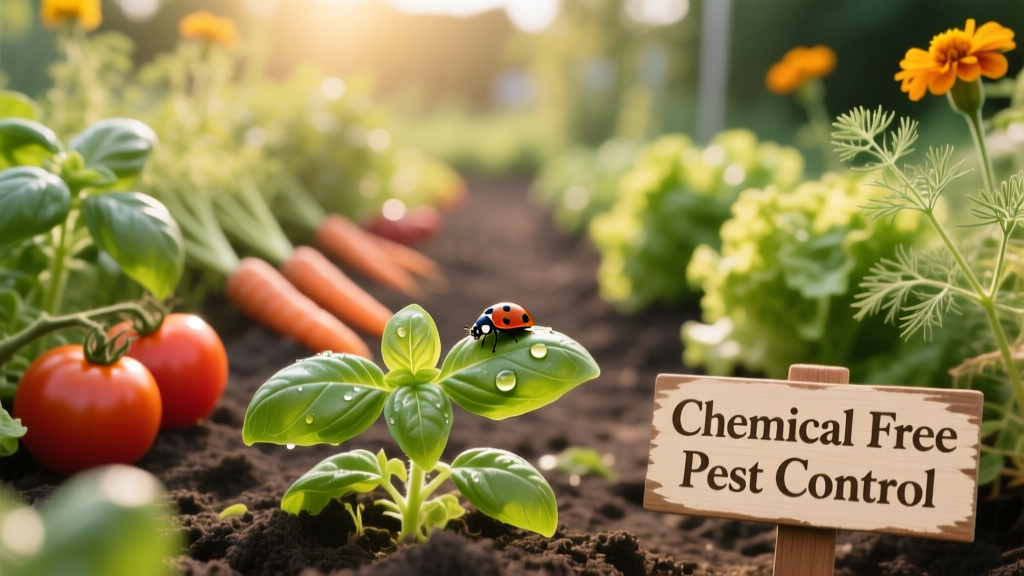
Chemical-Free Pest Control for Edible Garden Beds
Robert HayesPublished
The Garden-to-Table Philosophy: Why Go Chemical-Free?
When you grow your own vegetables, herbs, and fruits, the ultimate goal is to harvest produce that is as nutritious and safe as possible. Bridging the gap between outdoor gardening and indoor culinary excellence means rethinking how we manage pests. Synthetic pesticides, while effective in the short term, can leave harmful residues on your food, disrupt local ecosystems, and degrade the long-term health of your soil. Adopting a chemical-free, organic approach to pest management ensures that your garden-to-table meals remain pure, while simultaneously fostering a thriving, biodiverse backyard ecosystem.
Transitioning to organic pest control is not merely about swapping synthetic chemicals for natural ones; it is about fundamentally changing your relationship with your garden. It requires observation, patience, and a willingness to work alongside nature rather than attempting to dominate it. According to the Environmental Protection Agency (EPA), integrated pest management (IPM) and organic strategies focus on long-term prevention and minimal environmental impact. By combining cultural, biological, and mechanical controls, you can keep pest populations below damaging thresholds without ever reaching for a toxic spray.
Step 1: Building Resilience Through Soil Health
The foundation of any chemical-free garden is its soil. Pests are naturally drawn to weak, stressed, and nutrient-deficient plants. When a plant lacks the proper balance of macro and micronutrients, it cannot produce the complex defensive compounds (like alkaloids and terpenes) that naturally deter herbivorous insects.
Furthermore, maintaining a slightly acidic to neutral soil pH (between 6.2 and 6.8 for most vegetables) ensures that nutrients are bioavailable. Conducting an annual soil test through your local university extension office takes the guesswork out of fertilization and prevents the over-application of nitrogen, which is known to produce lush, sappy growth that is highly attractive to sap-sucking pests like aphids.
Actionable Soil Amendments
- Compost Top-Dressing: Apply a one-inch layer of finished organic compost around the base of your vegetables every early spring and mid-summer. This slowly releases nutrients and introduces beneficial soil microbes.
- Worm Castings: Rich in humic acids and beneficial bacteria, worm castings can be mixed into planting holes at a rate of one cup per transplant. They also contain chitinase, an enzyme that breaks down the exoskeletons of soft-bodied pests.
- Mulching with Straw: A two-inch layer of organic, seed-free straw helps retain soil moisture, regulates temperature, and provides a habitat for ground-dwelling predatory beetles that eat pest larvae.
Step 2: Strategic Companion Planting
Companion planting is the practice of growing specific plants in close proximity to enhance growth, repel pests, or attract beneficial insects. This ancient technique is a cornerstone of organic edible landscaping. By intercropping, you create a confusing olfactory environment for pests that rely on scent to find their host plants.
For example, the strong scent of alliums (onions, garlic, chives) can mask the smell of leafy greens, deterring aphids and carrot rust flies. Similarly, planting trap crops like nasturtiums draws aphids away from your prized brassicas. The Old Farmer's Almanac emphasizes that diversity in the garden bed is the first line of defense against monoculture pest outbreaks.
| Cash Crop | Companion Plant | Pest Deterred | Mechanism of Action |
|---|---|---|---|
| Tomatoes | Marigolds, Basil | Nematodes, Hornworms | Root exudates repel nematodes; basil masks tomato scent. |
| Brassicas (Kale, Cabbage) | Nasturtiums, Thyme | Cabbage Loopers, Aphids | Nasturtiums act as a trap crop; thyme repels moths. |
| Carrots | Chives, Rosemary | Carrot Rust Fly | Strong aromatic oils mask the scent of carrot foliage. |
| Squash & Zucchini | Radishes, Borage | Squash Vine Borers | Radishes deter borers; borage attracts predatory wasps. |
Step 3: Botanical and Mineral Interventions
When prevention and companion planting are not enough, organic gardeners can turn to botanical and mineral-based treatments. These materials break down quickly in the environment and leave no toxic residue on your edibles, but they must be used correctly to avoid harming beneficial pollinators.
Neem Oil: The All-Purpose Botanical
Extracted from the seeds of the neem tree, neem oil acts as an antifeedant, insect growth regulator, and smothering agent. According to the National Pesticide Information Center, neem oil is highly effective against soft-bodied insects like aphids, mites, and whiteflies, and has low toxicity for mammals and birds.
- Recipe: Mix 1 tablespoon of cold-pressed, unclarified neem oil and 1 teaspoon of pure liquid castile soap (as an emulsifier) into 1 gallon of lukewarm water.
- Application Timing: Spray only in the early evening or on overcast days. Spraying in direct sunlight can cause severe leaf burn due to the oil magnifying UV rays.
- Cost: A 16 oz bottle of high-quality cold-pressed neem oil costs around $15-$20 and will yield over 30 gallons of spray, making it highly cost-effective.
DIY Insecticidal Soap
Insecticidal soaps work by penetrating the cell membranes of soft-bodied insects, causing them to dehydrate and die. They are strictly contact pesticides, meaning they must directly hit the pest to work.
- Recipe: Combine 1 tablespoon of pure, unscented liquid castile soap with 1 quart of distilled water. Avoid using dish detergents, as they contain degreasers that will strip the protective waxy cuticle from your plant leaves.
- Target Pests: Aphids, spider mites, thrips, and mealybugs.
- Safety Interval: Because soap leaves no toxic residue, you can safely harvest and eat your vegetables just hours after application, provided you rinse them with clean water.
Diatomaceous Earth (DE)
DE is a fine powder made from the fossilized remains of aquatic organisms called diatoms. Under a microscope, DE looks like shards of glass. When crawling insects cross it, the powder cuts their exoskeletons, leading to fatal dehydration.
- Application: Dust a light ring of food-grade DE around the base of plant stems to deter slugs, snails, and cutworms.
- Precaution: DE loses its effectiveness when wet, so it must be reapplied after rain or overhead watering. Always wear a dust mask when applying, as inhaling the fine silica particles can irritate the lungs.
Step 4: Recruiting Beneficial Insects
A truly organic garden is a living ecosystem teeming with predatory insects that do the pest control work for you. Ladybugs, lacewings, and parasitic wasps are voracious consumers of garden pests. A single ladybug can consume up to 5,000 aphids in its lifetime. To attract these allies, you must provide them with nectar, pollen, and shelter. Planting a border of native flowering plants, such as yarrow, dill, fennel, and sweet alyssum, ensures that beneficial insects have a steady food source even when pest populations are low. Avoid broad-spectrum organic sprays (like pyrethrin) whenever possible, as these can inadvertently kill the very insects you are trying to attract.
Creating overwintering habitats is equally important. Leaving some leaf litter in garden corners, building small brush piles, and installing native bee hotels provide safe havens for predators during the colder months. When spring arrives, these beneficial insects will already be established in your yard, ready to intercept the first wave of emerging pests before they can establish a foothold on your tender seedlings.
Organic Treatment Comparison Chart
| Treatment | Target Pests | Application Rate | Reapplication Frequency | Pre-Harvest Interval |
|---|---|---|---|---|
| Neem Oil | Aphids, Mites, Whiteflies | 1 tbsp per gallon | Every 7-14 days | 0 Days (Rinse well) |
| Castile Soap Spray | Soft-bodied insects | 1 tbsp per quart | Every 4-7 days | 0 Days (Rinse well) |
| Food-Grade DE | Slugs, Cutworms, Ants | Light dusting on soil | After every rainfall | 0 Days (Wash produce) |
| Bt (Bacillus thuringiensis) | Caterpillars, Hornworms | Per manufacturer label | Every 5-7 days | 0 Days (Rinse well) |
Conclusion: Patience and Observation
Embracing chemical-free pest control for your edible garden beds is a rewarding journey that yields dividends in both the health of your local environment and the quality of your harvest. While organic methods may require a bit more observation and manual effort than spraying a synthetic chemical, the results are undeniable. You will cultivate a resilient garden ecosystem capable of self-regulation, and you will enjoy the peace of mind that comes with knowing every tomato, pepper, and leafy green you bring into your kitchen is entirely safe, pure, and free of toxic residues.
Remember that seeing a few pests in your garden is not a sign of failure; it is an indicator of a functioning food web. The goal of organic gardening is not the total eradication of insects, but rather the maintenance of a balanced ecosystem where no single pest species is allowed to cause catastrophic damage to your crops. By fostering biodiversity above and below the soil line, you are investing in a sustainable, productive landscape that will feed your family and support local wildlife for years to come. Start small, implement these companion planting and botanical strategies, and watch your garden thrive naturally.
