
Landscaping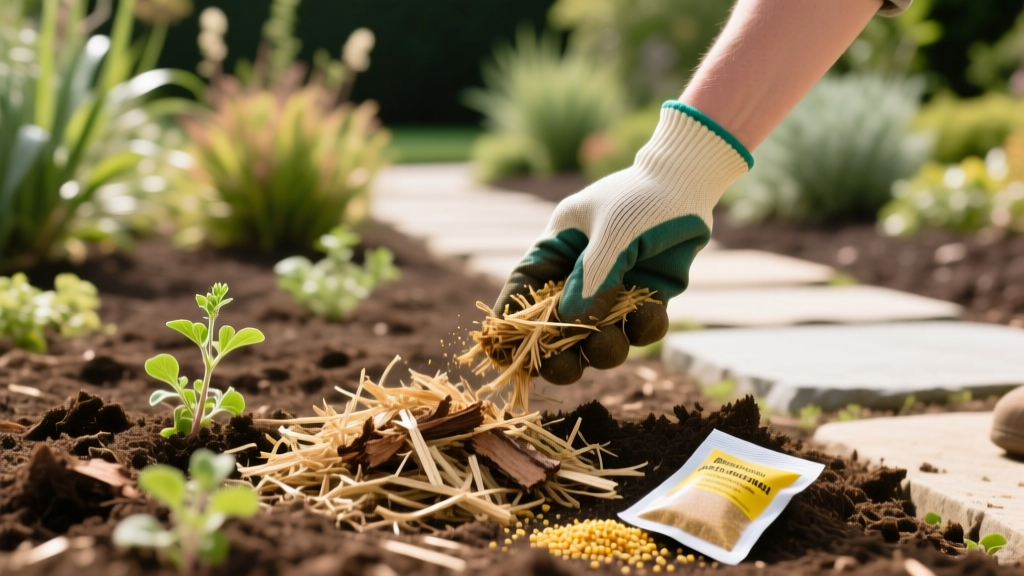
Organic Weed Control for Landscape Beds: A Chemical-Free Guide
Lisa ThompsonPublished
Maintaining pristine landscape beds without relying on synthetic herbicides is one of the most rewarding challenges in organic gardening. For decades, homeowners and landscapers have depended on chemicals like glyphosate and synthetic pre-emergents such as prodiamine to keep garden beds weed-free. However, these products can disrupt the soil microbiome, harm beneficial insects, and potentially leach into local waterways. Transitioning to a chemical-free approach not only protects the local ecosystem but also builds long-term soil health, making your ornamental plants more resilient to drought and disease.
The Environmental Protection Agency (EPA) strongly advocates for integrated pest management and safer, organic alternatives to synthetic weed killers. By combining physical barriers, natural pre-emergents, and smart cultural practices, you can achieve a lush, weed-free landscape bed that thrives season after season. This comprehensive guide will walk you through the most effective organic weed control strategies, complete with specific application rates, timing, and cost estimates.
The Foundation: Soil Health and Plant Density
Before applying any weed control products, evaluate the fundamental design of your landscape beds. Weeds are opportunistic; they thrive in bare soil and disturbed earth. The first line of defense in organic landscaping is maximizing plant density. By spacing your perennials, shrubs, and groundcovers so that their mature foliage forms a continuous canopy, you naturally shade the soil. This deprives weed seeds of the sunlight they need to germinate.
Additionally, focus on building healthy soil. Incorporating high-quality, OMRI-listed (Organic Materials Review Institute) compost into your beds improves soil structure and encourages the growth of desirable plants, allowing them to outcompete weeds for nutrients and water.
Organic Mulching Strategies
Mulch is the backbone of any chemical-free weed control program. A proper layer of organic mulch blocks sunlight from reaching weed seeds, retains soil moisture, and regulates soil temperature. According to research from Penn State Extension, maintaining a consistent 2-to-3-inch layer of organic mulch can reduce weed emergence in landscape beds by up to 90 percent.
However, not all mulches are created equal. The choice of mulch depends on your aesthetic preferences, budget, and the specific needs of your plants. Below is a comparison of the most effective organic mulches for landscape beds.
| Mulch Type | Application Depth | Decomposition Rate | Weed Suppression | Estimated Cost |
|---|---|---|---|---|
| Arborist Wood Chips | 3-4 inches | Slow (1-2 years) | Excellent | $15-$25 / cubic yard |
| Pine Bark Nuggets | 3-4 inches | Very Slow (2-3 years) | Good (Large gaps) | $30-$45 / cubic yard |
| Shredded Hardwood | 2-3 inches | Moderate (1 year) | Excellent (Mats together) | $25-$40 / cubic yard |
| Pine Needles (Straw) | 3-4 inches | Slow (1-2 years) | Good | $5-$8 / bale |
| Leaf Mold / Compost | 2 inches | Fast (6 months) | Fair (Best as under-layer) | $20-$30 / cubic yard |
Pro Tip: Never apply mulch directly against the trunks of trees or the stems of shrubs. This practice, known as creating a 'mulch volcano,' traps moisture against the bark and invites fungal diseases, rot, and rodent damage. Always leave a 3-inch mulch-free gap around the base of woody plants.
Natural Pre-Emergent Herbicides
While mulch stops existing weed seeds from sprouting, wind and birds constantly deposit new seeds into your beds. To stop these seeds before they germinate, organic landscapers turn to natural pre-emergents. The gold standard in this category is Corn Gluten Meal (CGM).
How Corn Gluten Meal Works
Corn Gluten Meal is a byproduct of the corn milling process. It contains a natural protein that inhibits root formation in germinating seeds. When a weed seed sprouts, the CGM prevents the seedling from establishing a root system, causing it to dry up and die. As a bonus, CGM breaks down slowly, releasing approximately 10% nitrogen into the soil, which feeds your established landscape plants.
Application Rates and Timing
Timing is the most critical factor when using CGM. It only affects germinating seeds, not established weeds. You must apply it before weed seeds sprout.
- Application Rate: Apply 20 pounds of CGM per 1,000 square feet of garden bed.
- Spring Timing: Apply when soil temperatures consistently reach 55°F. A good phenological indicator is when forsythia bushes are in full bloom or when crabgrass begins to germinate.
- Fall Timing: Apply in late summer to early fall (late August to September) to prevent winter annual weeds like henbit and chickweed.
- Activation: Water the CGM into the soil lightly (about 1/4 inch of water) immediately after application to activate the proteins. Allow the top layer of soil to dry out afterward to kill the germinating weed seedlings.
- Cost: Expect to pay between $50 and $70 for a 50-pound bag, which covers 2,500 square feet.
Post-Emergent Organic Solutions
Despite your best efforts with mulch and pre-emergents, some perennial weeds and aggressive annuals will inevitably breach your defenses. When hand-pulling isn't enough, organic post-emergent herbicides can be used as a targeted burn-down solution.
The University of California Integrated Pest Management (UC IPM) program notes that organic contact herbicides are non-selective, meaning they will damage any plant tissue they touch. They work by destroying the cell membranes of the leaves, causing rapid desiccation. They do not translocate to the roots, making them highly effective on young annual weeds but less effective on deep-rooted perennials like bindweed or dandelion.
Common Organic Active Ingredients
- Horticultural Vinegar (20% to 30% Acetic Acid): Unlike household vinegar (5%), horticultural vinegar is highly caustic. It works best on warm, sunny days. Warning: You must wear heavy-duty gloves, long sleeves, and chemical splash goggles when handling 20%+ acetic acid, as it can cause severe skin and eye burns.
- d-Limonene (Citrus Oil): Extracted from citrus peels, this oil strips the waxy protective coating off weed leaves, causing them to dehydrate rapidly. It smells pleasant and breaks down quickly in the environment.
- Pelargonic Acid (Nonanoic Acid): A fatty acid found naturally in plants like geraniums. It acts incredibly fast, often showing weed burn-down within hours of application.
Application Advice: Use a dedicated pump sprayer for organic herbicides. Shield your desirable landscape plants with a piece of cardboard while spraying to prevent accidental drift. Expect to spend $30 to $50 per gallon for commercial-grade organic post-emergents.
The Lasagna Mulching Method (Sheet Composting)
If you are converting a weedy area of lawn into a new landscape bed, skip the chemical grass killers and use the Lasagna Mulching method. This organic technique smothers existing vegetation while building incredibly rich soil.
- Mow the Area: Scalp the existing grass or weeds as short as possible.
- Lay Cardboard: Cover the entire area with plain, uncoated brown cardboard. Remove all plastic tape and staples. Overlap the edges of the cardboard by at least 6 inches to prevent weeds from finding a gap.
- Wet the Cardboard: Thoroughly soak the cardboard with a hose to initiate the breakdown process and hold it in place.
- Add Compost: Apply a 2-to-3-inch layer of nutrient-rich organic compost over the wet cardboard.
- Top with Mulch: Finish with a 3-inch layer of arborist wood chips or shredded hardwood bark.
Over the next 3 to 6 months, the cardboard will smother the weeds and eventually decompose, inviting earthworms to incorporate the organic matter into the soil below. You can plant directly into this bed by cutting a small 'X' in the cardboard, digging a hole, and placing your new shrub or perennial.
Cultural Practices: Irrigation and Maintenance
How you water your landscape beds plays a massive role in weed suppression. Overhead sprinklers broadcast water across the entire bed, including the bare soil between plants, which encourages weed seed germination.
Instead, install a drip irrigation system or use soaker hoses. By delivering water directly to the root zones of your desirable plants, you leave the surrounding soil dry. Weed seeds that land in the dry, mulched pathways between plants will fail to germinate due to a lack of moisture.
Finally, commit to a routine of 'weed walking.' Spending just 10 minutes a week hand-pulling small, newly emerged weeds before they can set seed will drastically reduce the weed seed bank in your soil over time. Use a high-quality Hori-Hori knife or a stand-up weeder to extract the entire root system of perennial weeds.
Conclusion
Achieving a weed-free landscape bed without synthetic chemicals is entirely possible and highly beneficial for your local environment. By utilizing a thick layer of appropriate organic mulch, timing your Corn Gluten Meal applications perfectly, and using targeted organic contact herbicides for stubborn breakthroughs, you can maintain stunning garden beds. Embracing these organic methods not only protects your soil's delicate microbiome but also creates a safer, more sustainable outdoor living space for your family, pets, and local wildlife.

