
Landscaping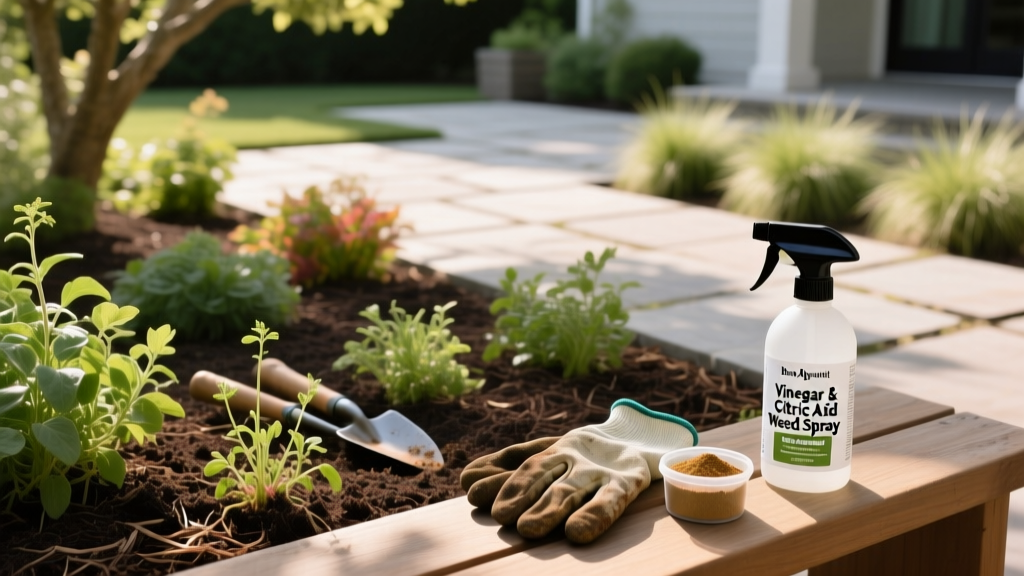
Chemical-Free Weed Control for Landscape Beds and Patios
James MillerPublished
The Shift Toward Chemical-Free Landscaping
In recent years, the landscaping industry and home gardeners alike have increasingly pivoted away from synthetic herbicides. Concerns regarding soil microbiome disruption, groundwater contamination, and the long-term ecological impact of chemicals like glyphosate and 2,4-D have driven a massive demand for organic, chemical-free landscape management. According to the Environmental Protection Agency (EPA), integrating natural weed control methods and safe pest management strategies not only protects local watersheds but also fosters a healthier environment for pollinators, pets, and children. Transitioning to an organic approach requires a paradigm shift: rather than viewing weeds as enemies to be eradicated with broad-spectrum toxins, organic landscaping views them as symptoms of soil imbalance and ecological niches waiting to be filled by desirable plants. This comprehensive guide will walk you through actionable, chemical-free strategies for managing weeds in garden beds, hardscapes, and patio joints.
Organic Pre-Emergent Strategies: Stopping Weeds Before They Start
The most effective way to manage weeds organically is to prevent them from germinating in the first place. Pre-emergent strategies focus on creating physical and biological barriers that stop weed seeds from establishing root systems.
Corn Gluten Meal (CGM)
Originally discovered by researchers at Iowa State University, Corn Gluten Meal is a natural byproduct of the corn milling process. It acts as an organic pre-emergent herbicide by inhibiting the formation of roots in newly germinated seeds. If a weed seed sprouts but cannot establish a root, it quickly dries out and dies.
- Application Rate: Apply 20 pounds of pelletized CGM per 1,000 square feet of landscape bed.
- Timing: Timing is critical. Apply in early spring when soil temperatures consistently reach 50°F to 55°F, which coincides with the blooming of forsythia or crocus. A second application in early fall can prevent winter annual weeds.
- Fertilizer Bonus: CGM contains approximately 10% nitrogen by weight, providing a slow-release, organic nitrogen boost to your existing desirable plants.
- Important Caveat: CGM will inhibit the germination of all seeds. Do not apply it in areas where you intend to sow grass seed, wildflower seeds, or vegetable crops.
Sheet Mulching and Physical Barriers
For new or heavily infested landscape beds, sheet mulching (often called lasagna gardening) is a highly effective, chemical-free way to smother existing weeds and block light from reaching new seeds. Begin by mowing or cutting down existing weeds as low as possible. Lay down overlapping sheets of uncoated, plain brown corrugated cardboard directly over the soil. Wet the cardboard thoroughly to keep it in place and begin the decomposition process. Finally, cover the cardboard with 2 to 3 inches of organic compost, followed by 2 to 4 inches of coarse arborist wood chips. The cardboard blocks photosynthesis, killing the weeds beneath, while the wood chips prevent airborne weed seeds from reaching the soil.
Organic Post-Emergent Treatments for Existing Weeds
When weeds inevitably breach your pre-emergent defenses, organic post-emergent treatments offer effective, non-toxic ways to eliminate them without resorting to systemic synthetic chemicals.
Horticultural Vinegar (Acetic Acid)
While standard household vinegar (5% acidity) is too weak to reliably kill mature weeds, horticultural vinegar containing 20% to 30% acetic acid is a powerful organic desiccant. According to the National Pesticide Information Center (NPIC), high-concentration acetic acid rapidly breaks down plant cell membranes, causing the foliage to dry out and die within hours of application.
- Application: Spray directly onto the weed foliage on a hot, sunny day. The heat and UV rays accelerate the desiccation process.
- Safety Gear: 20% to 30% acetic acid is highly corrosive. You must wear heavy-duty nitrile gloves, long sleeves, and chemical splash goggles when handling and applying this product.
- Limitations: Acetic acid is a contact herbicide, meaning it only kills what it touches. It does not translocate to the roots. While it easily kills young annual weeds, perennial weeds with deep taproots (like dandelions or bindweed) may require multiple applications to exhaust their root reserves.
Flame Weeding
Flame weeding utilizes a specialized propane torch to pass a brief, intense heat over the weed. The goal is not to incinerate the plant to ash, but rather to boil the water inside the plant's cells, causing them to rupture. A slow, steady pass over the weed for just one or two seconds is enough to cause the leaves to wilt and die within a few hours. This method is exceptionally effective along fence lines, in gravel paths, and in driveway cracks where mulch or vinegar might be impractical.
Boiling Water for Paver Joints
For isolated weeds growing in the tight joints of patios or walkways, simply pouring boiling water directly onto the crown of the plant is a free, 100% organic, and highly effective treatment. The thermal shock cooks the plant tissue instantly and sterilizes the immediate crevice, preventing rapid regrowth.
Managing Hardscapes, Patios, and Driveway Cracks
Hardscapes present unique weed management challenges because the soil volume is minimal, yet the cracks provide the perfect microclimate for wind-blown seeds to settle. The ultimate chemical-free solution for hardscape joints is the use of polymeric sand. Unlike traditional masonry sand, polymeric sand contains binding agents that, when activated with a light mist of water, harden into a solid, flexible matrix. This prevents weed seeds from finding a foothold and stops ants from excavating the joints. For existing patios where weeds have taken over, use a stiff wire brush or a specialized patio weeding tool to scrape out the old soil and organic matter from the joints, vacuum the debris, and refill with polymeric sand.
Comparison of Organic Weed Control Methods
| Method | Target | Best Application Time | Pros & Cons |
|---|---|---|---|
| Corn Gluten Meal | Germinating seeds (Pre-emergent) | Early Spring / Early Fall | Pro: Adds nitrogen. Con: Prevents all seeds from sprouting. |
| Sheet Mulching | Existing weeds & seed bank | Anytime (Best in Fall) | Pro: Builds soil health. Con: Labor-intensive setup. |
| Horticultural Vinegar | Annual weeds & top growth | Hot, sunny days | Pro: Fast results. Con: Requires PPE; doesn't kill deep roots. |
| Flame Weeding | Weeds in gravel/hardscapes | Dry conditions | Pro: No chemical residue. Con: Fire risk in dry seasons. |
| Polymeric Sand | Hardscape joint prevention | Dry days (Installation) | Pro: Long-term solution. Con: Requires joint cleaning first. |
Seasonal Organic Weed Control Calendar
To maintain a pristine landscape without chemicals, you must align your efforts with the natural growth cycles of weeds.
- Spring: Apply Corn Gluten Meal as soil temperatures cross 50°F. Hand-pull winter annuals before they set seed. Refresh mulch layers in garden beds to a depth of 3 inches.
- Summer: Utilize flame weeding and horticultural vinegar for breakthrough weeds. Focus on removing weeds before the summer heat causes them to go to seed. Water desirable plants deeply and infrequently to encourage deep roots that outcompete shallow weed roots.
- Fall: Apply a second round of CGM to target fall-germinating weeds like Poa annua (annual bluegrass). This is also the ideal time to implement sheet mulching in new beds, allowing the cardboard and compost to break down over the winter.
- Winter: Inspect hardscapes and order polymeric sand or organic pre-emergents for the upcoming spring thaw.
Long-Term Soil Health and Plant Competition
The cornerstone of any successful organic landscaping strategy is the principle of competition. Weeds are nature's way of covering bare, disturbed soil. If you leave a niche empty, a weed will fill it. By cultivating dense, vigorous plantings of desirable ground covers, shrubs, and perennials, you naturally shade the soil and deprive weed seeds of the sunlight they need to germinate.
Furthermore, building healthy soil biology is paramount. The University of California Integrated Pest Management Program emphasizes that maintaining a thick layer of organic mulch and fostering soil microbiology creates an environment where desirable plants thrive while certain weed seeds are naturally suppressed by soil-borne fungi and bacteria. Regular applications of aerated compost tea and top-dressing with organic matter will improve soil structure, enhance water retention, and create a resilient landscape that naturally defends itself against weed invasions. By embracing these chemical-free methods, you not only protect the local ecosystem but also create a vibrant, living landscape that improves in health and beauty year after year.

