
Landscaping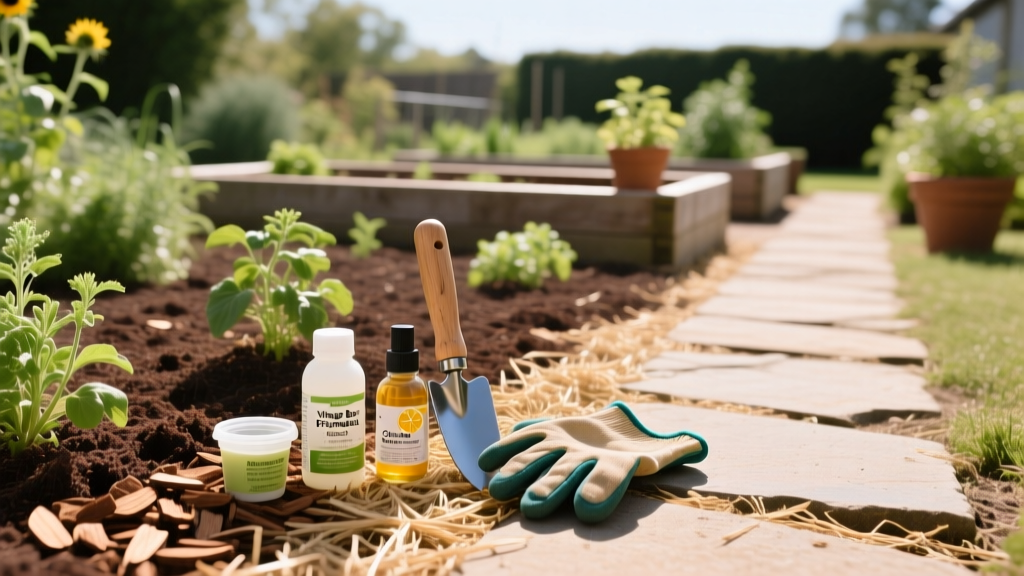
Chemical-Free Weed Control Strategies for Garden Beds
Lisa ThompsonPublished
The Shift Toward Organic Landscaping
Transitioning your landscape to a chemical-free haven is one of the most impactful decisions you can make for your local ecosystem, watershed, and family health. For decades, homeowners and landscapers relied heavily on synthetic herbicides like glyphosate and 2,4-D to maintain pristine garden beds, lawns, and patios. However, growing awareness of the environmental and health risks associated with these synthetic compounds has led to a massive shift toward sustainable, organic landscaping. Chemical-free weed management is not about finding a single "magic bullet" organic spray that mimics synthetic systemic herbicides. Instead, it requires a holistic approach that combines cultural practices, mechanical barriers, and targeted organic treatments to create a resilient landscape where weeds struggle to establish.
According to the USDA National Institute of Food and Agriculture (NIFA), organic systems rely on ecological processes, biodiversity, and cycles adapted to local conditions, rather than the use of inputs with adverse effects. By adopting this mindset, you can effectively manage weeds in your garden beds and hardscapes without introducing toxic residues into your soil.
Cultural Controls: The First Line of Defense
The most effective organic weed control strategy happens before a single weed sprouts. Cultural controls involve modifying the environment to favor your desired plants while disadvantaging weeds.
Proper Mulching Techniques
A thick layer of organic mulch is a garden bed's best defense against annual weeds. For optimal results, apply 3 to 4 inches of coarse arborist wood chips or shredded bark around ornamental plants and shrubs. This depth blocks sunlight from reaching weed seeds, preventing germination. Avoid using dyed mulches or finely shredded "mulch dust," which can compact, repel water, and create a crust that weed seeds can easily root into. Keep the mulch a few inches away from the base of tree trunks and shrub stems to prevent rot and rodent damage.
The Stale Seedbed Technique
If you are preparing a new garden bed or a vegetable plot, utilize the "stale seedbed" method. Prepare the soil and water it thoroughly as if you were ready to plant. Wait 7 to 10 days for the first flush of weed seeds to germinate. Once the young weeds are visible, use a sharp stirrup hoe or a collinear hoe to slice them off just below the soil surface on a dry, sunny day. This kills the initial weed flush without bringing new dormant weed seeds to the surface, drastically reducing the weed pressure for your actual planting.
Pre-Emergent Organic Solutions
Pre-emergent herbicides target weeds at the germination stage, preventing them from establishing roots. In the organic landscaping world, Corn Gluten Meal (CGM) is the gold standard.
Corn Gluten Meal (CGM)
Originally discovered by researchers at Iowa State University, corn gluten meal is a byproduct of corn milling that naturally inhibits root formation in germinating seeds. It contains approximately 10% nitrogen, meaning it simultaneously fertilizes your existing landscape while stopping new weeds.
- Application Rate: 20 pounds per 1,000 square feet.
- Timing: Apply in early spring when soil temperatures consistently reach 55°F (often coinciding with the blooming of forsythia). A second application can be made in early fall to prevent winter annuals.
- Cost: Approximately $45 to $60 per 20-pound bag.
- Important Caveat: CGM does not kill existing weeds, nor does it affect perennial weeds that spread via rhizomes. Furthermore, do not apply it in areas where you intend to direct-sow seeds (such as carrots, radishes, or wildflower meadows), as it will inhibit their germination as well.
Post-Emergent Organic Herbicides
When weeds have already established themselves, organic post-emergent treatments can be used to burn down foliage. It is important to note that most organic sprays are "contact" herbicides, meaning they only kill the plant tissue they directly touch and do not travel down to the roots like synthetic systemic chemicals.
Horticultural Vinegar (Acetic Acid)
Household vinegar (5% acetic acid) is largely ineffective against mature weeds. For landscaping purposes, you need horticultural vinegar with a 20% to 30% acetic acid concentration. This highly acidic solution destroys plant cell membranes upon contact, causing rapid desiccation. The Environmental Protection Agency (EPA) categorizes many acetic acid-based weed killers under minimum risk or exempt organic protocols, though high concentrations require careful handling.
Safety and Application: 20% acetic acid is corrosive and can cause severe eye damage and skin burns. Always wear nitrile gloves, long sleeves, and splash-proof goggles. Apply on hot, sunny days for maximum burn-down. Contrary to popular belief, vinegar does not permanently lower soil pH or sterilize the soil; it breaks down rapidly in the soil microbiome within a few days.
d-Limonene (Citrus Oil)
Extracted from citrus peels, d-limonene works by stripping the waxy protective cuticle off weed leaves, causing them to dehydrate rapidly. It is highly effective on young, tender annual weeds and has a pleasant citrus scent. It is often combined with acetic acid in commercial organic weed killers for a synergistic effect.
Iron-Based Herbicides (FeHEDTA)
For broadleaf weeds invading turfgrass (like dandelions, plantain, and creeping charlie), iron-based herbicides containing FeHEDTA (chelated iron) are a game-changer. Products like Fiesta or Natria Lawn Weed Control utilize the fact that broadleaf weeds absorb iron differently than grasses. The excess iron causes fatal oxidative stress and necrosis in broadleaves, while turfgrass naturally tolerates it and simply turns a darker green.
Hardscape and Patio Crack Management
Weeds pushing through patio pavers, driveway cracks, and sidewalk joints can ruin hardscaping aesthetics and cause structural damage over time. Chemical-free management here relies on thermal and mechanical solutions.
- Flame Weeding: Using a handheld propane torch, pass the flame over the weed for a fraction of a second. The goal is not to incinerate the plant to ash, but to boil the water inside the plant cells. Perform the "thumbprint test"—if you press the leaf and your thumbprint remains, the cell walls are broken and the weed will die within 24 hours.
- Boiling Water: A simple, free, and highly effective method for shallow cracks. Pouring a kettle of boiling water directly onto the weed crown cooks the plant and destroys shallow taproots.
- Polymeric Sand: After removing existing weeds and cleaning the joints, fill the gaps with polymeric sand. Once misted with water, the polymers bind the sand together into a solid, flexible barrier that prevents weed seeds from finding a foothold.
Organic Weed Control Comparison Chart
The following table summarizes the most effective chemical-free weed control methods, their targets, and associated costs to help you plan your landscaping budget and maintenance schedule.
| Treatment Type | Active Ingredient / Method | Target Weeds | Application Rate / Timing | Est. Cost per 1,000 sq ft |
|---|---|---|---|---|
| Pre-Emergent | Corn Gluten Meal (10% N) | Germinating annual seeds | 20 lbs; Early Spring (55°F soil) | $45.00 - $60.00 |
| Contact Non-Selective | 20% Acetic Acid (Vinegar) | All young/tender foliage | Spray to wet; Hot, sunny days | $15.00 - $25.00 |
| Selective Broadleaf | FeHEDTA (Chelated Iron) | Broadleaves in turfgrass | Ready-to-spray; Spring/Fall | $20.00 - $30.00 |
| Thermal / Mechanical | Propane Flame Weeder | Hardscape cracks, borders | As needed; Dry conditions | Fuel cost only (~$2.00) |
| Cultural / Barrier | Coarse Arborist Wood Chips | Annuals in garden beds | 3-4 inch depth; Year-round | $10.00 - $20.00 |
Patience and Long-Term Soil Health
Transitioning to a chemical-free landscape requires a shift in expectations. As noted by experts at Penn State Extension, organic landscaping is a long-term commitment to soil biology and ecological balance. When you stop using synthetic herbicides, you may experience a temporary increase in weed pressure as the soil ecosystem recovers and the existing weed seed bank germinates. However, with consistent application of mulch, pre-emergents like corn gluten meal, and targeted organic post-emergents, the weed seed bank will naturally deplete over a 3 to 5 year period. Ultimately, the result is a vibrant, living soil that supports robust plant growth, protects local waterways from toxic runoff, and provides a safe environment for children, pets, and essential pollinators.

