Gardening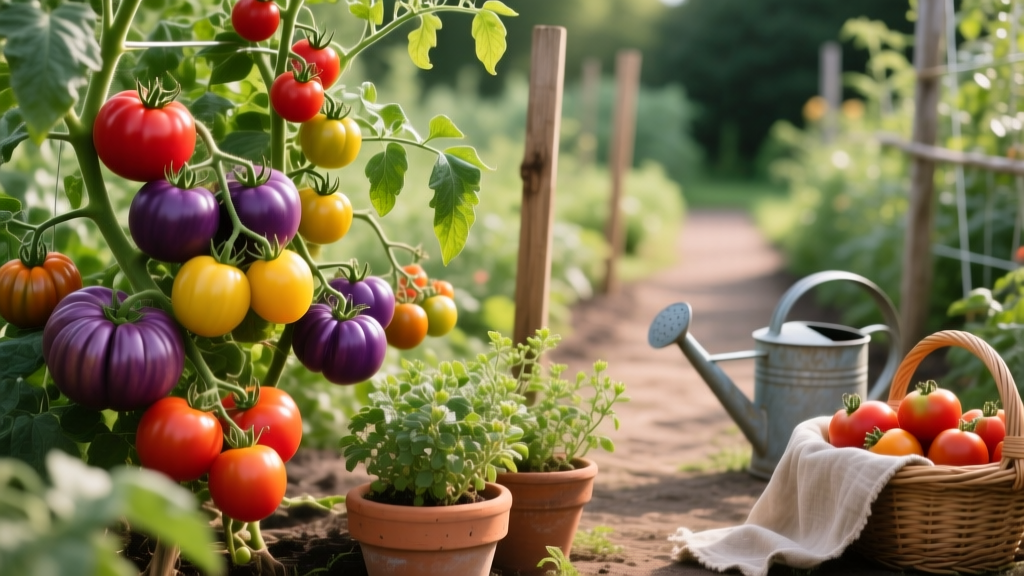
How to Choose the Best Tomato Varieties for Your Garden
James MillerPublished
The Ultimate Guide to Tomato Variety and Species Selection
Tomatoes (Solanum lycopersicum) are the undisputed crown jewels of the home vegetable garden. However, the difference between a meager, disease-ridden harvest and a bountiful, flavor-packed yield often comes down to one critical decision made before a single seed is sown: variety selection. With thousands of tomato cultivars available on the market, choosing the right plant for your specific climate zone, garden space, and culinary needs can feel overwhelming. This comprehensive guide will break down the genetics, growth habits, and climate requirements of tomato varieties, providing you with the actionable data needed to make an informed selection for your garden.
'The secret to a bountiful tomato harvest isn't just in the watering can; it is in the initial variety selection matched to your specific microclimate, soil biology, and spatial constraints.'
Understanding Growth Habits: Determinate vs. Indeterminate
The first fork in the road when selecting a tomato variety is understanding its genetic growth habit. Tomatoes are broadly classified into two categories: determinate and indeterminate. Your choice here will dictate your trellising requirements, pruning schedule, and harvest timeline.
Determinate (Bush) Tomatoes
Determinate varieties are genetically programmed to grow to a compact height, usually between 3 to 4 feet, and then stop. They produce a single, massive flush of flowers at the terminal ends of their branches, meaning the majority of their fruit ripens within a concentrated two-to-three-week window. This makes them the undisputed champions for gardeners who want to harvest large batches of tomatoes at once for canning, making sauces, or preserving. Because of their compact size, determinate tomatoes are ideal for container gardening (requiring a minimum 5-gallon pot) and small raised beds. They require minimal pruning; in fact, removing the suckers on a determinate plant will drastically reduce your overall yield.
Indeterminate (Vining) Tomatoes
Indeterminate varieties continue to grow, flower, and produce fruit throughout the entire growing season until they are killed by the first autumn frost. These plants can easily reach heights of 6 to 12 feet and require robust structural support, such as 8-foot metal T-posts, heavy-duty concrete reinforcing wire cages, or a Florida weave trellis system. Indeterminate tomatoes are perfect for fresh eating, as they provide a steady, daily supply of fruit from midsummer until fall. They require regular pruning of 'suckers' (the shoots that grow in the axils between the main stem and the branches) to maintain airflow, prevent fungal diseases, and direct the plant's energy into fruit production rather than excessive foliage.
The Great Debate: Heirloom vs. Hybrid Tomatoes
Once you have decided on a growth habit, you must choose between heirloom and hybrid seeds. Both have distinct advantages depending on your gardening philosophy and local disease pressure.
Heirloom Tomatoes
Heirlooms are open-pollinated varieties that have been passed down through generations of seed savers, typically for at least 50 years. Because they are open-pollinated, you can save the seeds from an heirloom tomato, plant them the following year, and grow a plant that is genetically identical to the parent. Heirlooms, such as 'Brandywine', 'Cherokee Purple', and 'Green Zebra', are celebrated for their complex, rich, and varied flavor profiles, as well as their stunning array of colors. However, they often lack modern disease resistance, are prone to skin cracking, and generally produce a lower overall yield compared to modern hybrids.
Hybrid Tomatoes
Hybrids (often denoted as F1) are the result of intentionally cross-pollinating two different parent plants to combine specific, desirable traits. Varieties like 'Early Girl', 'Celebrity', and 'Sun Gold' are bred for vigor, high yield, uniform fruit size, and, most importantly, built-in disease resistance. While you cannot save seeds from hybrid tomatoes (the resulting plants will not be true to type and often lack vigor), they are highly recommended for beginner gardeners or those dealing with heavy soil-borne pathogen pressure.
Matching Tomato Varieties to Your Climate Zone
A tomato variety that thrives in the hot, humid summers of the Deep South will likely fail in the short, cool summers of the Pacific Northwest. The key metric to look for on seed packets and nursery tags is 'Days to Maturity' (DTM). This number indicates how many days it takes from transplanting a seedling into the garden to harvesting the first ripe fruit.
- Short-Season/Cool Climates (Zones 3-5): Choose early-maturing varieties with a DTM of 50 to 65 days. These plants are bred to set fruit in cooler temperatures. Examples include 'Sub-Arctic', 'Siberian', and 'Glacier'.
- Mid-Season/Temperate Climates (Zones 6-7): You have the luxury of growing a wide mix of early and mid-season varieties (65 to 80 DTM). 'Roma', 'Better Boy', and 'Black Krim' perform beautifully here.
- Long-Season/Hot Climates (Zones 8-10): High heat can cause tomato blossoms to drop without setting fruit. You must select 'heat-set' varieties that can pollinate in temperatures exceeding 90°F (32°C). Look for 'Solar Fire', 'Arkansas Traveler', and 'Juliet'.
Recommended Varieties by Climate and Use
| Variety Name | Type | Growth Habit | DTM | Best Climate / Use Case |
|---|---|---|---|---|
| Sub-Arctic Plenty | Hybrid | Determinate | 42-50 | Zones 3-5 / Extremely short seasons |
| Cherokee Purple | Heirloom | Indeterminate | 80-85 | Zones 6-9 / Fresh eating, rich flavor |
| San Marzano | Heirloom | Indeterminate | 75-80 | Zones 6-10 / Canning, paste, sauces |
| Sun Gold | Hybrid | Indeterminate | 55-60 | All Zones / Cherry tomato, high sugar |
| Arkansas Traveler | Heirloom | Indeterminate | 80-90 | Zones 7-10 / Heat and humidity tolerance |
Decoding Seed Packet Disease Resistance Codes
When purchasing hybrid seeds or nursery transplants, you will often see a string of capital letters following the variety name (e.g., 'Celebrity VFFNT'). According to the University of Minnesota Extension, understanding these codes is vital for gardeners practicing crop rotation or dealing with persistent soil-borne pathogens. These letters indicate the specific diseases the plant has been bred to resist:
- V: Verticillium Wilt (a soil-borne fungus that blocks water-conducting tissues).
- F (or FF): Fusarium Wilt (another devastating soil-borne fungus; 'FF' means resistance to both Race 1 and Race 2).
- N: Root-Knot Nematodes (microscopic soil worms that destroy root systems).
- T: Tobacco Mosaic Virus (causes mottled leaves and stunted growth; easily spread by handling plants after using tobacco products).
- A: Alternaria Stem Canker (causes severe defoliation and fruit rot).
- LB: Late Blight (the aggressive water mold responsible for the Irish Potato Famine, highly destructive in wet, cool climates).
Actionable Planting, Soil, and Spacing Guidelines
Selecting the right variety is only half the battle; proper planting execution ensures your chosen cultivar reaches its genetic potential. Tomatoes are heavy feeders and require specific soil conditions to thrive.
Soil Preparation and pH
Tomatoes require well-draining, loamy soil rich in organic matter. The ideal soil pH for tomatoes is slightly acidic, ranging from 6.2 to 6.8. If your pH is too low, calcium uptake is inhibited, leading to Blossom End Rot—a condition where the bottom of the fruit turns black and leathery. Before planting, amend your raised beds or garden soil with 2 to 3 inches of finished compost. The Old Farmer's Almanac recommends avoiding high-nitrogen fertilizers at planting time, as excess nitrogen promotes lush, green foliage at the expense of flower and fruit production. Instead, use a balanced organic fertilizer or one higher in phosphorus and potassium (like a 5-10-10 NPK ratio).
The Trench Planting Method
Tomatoes have the unique ability to grow adventitious roots from their buried stems. If you have leggy transplants (seedlings that have grown tall and spindly), use the trench planting method. Dig a shallow horizontal trench, lay the seedling on its side with only the top two sets of leaves above ground, and gently bend the tip upward. Cover the bare stem with 2 to 3 inches of soil. This forces the plant to develop a massive, shallow root system, making it more drought-tolerant and nutrient-efficient.
Spacing and Airflow
Overcrowding is the leading cause of fungal diseases like Early Blight and Septoria Leaf Spot. Proper spacing ensures adequate airflow to dry the leaves quickly after morning dew or rain.
- Determinate Varieties: Space plants 24 inches apart in rows that are 36 inches apart.
- Indeterminate Varieties (Staked): Space plants 18 to 24 inches apart.
- Indeterminate Varieties (Caged): Space plants 36 inches apart to accommodate large wire cages.
Companion Planting and Maintenance
To maximize your garden's biodiversity and naturally deter pests, incorporate companion planting. Planting sweet basil near your tomatoes is a classic technique; not only do they share similar water and sun requirements, but basil's strong scent is believed to mask the tomato's aroma from pests like the tomato hornworm and whiteflies. French marigolds (Tagetes patula) are another excellent companion, as their roots exude compounds that deter harmful root-knot nematodes.
Conversely, never plant tomatoes near black walnut trees (Juglans nigra) or butternut trees. These trees release a biochemical called juglone into the soil, which is highly toxic to tomatoes and will cause rapid wilting and death. Additionally, avoid planting tomatoes in beds that recently housed other members of the nightshade family (potatoes, eggplants, peppers) to prevent the recycling of shared soil-borne diseases.
Budgeting for Your Tomato Garden
When planning your garden budget, factor in the long-term costs of variety selection. While hybrid seeds may cost slightly more upfront ($4.00 to $6.00 per packet of 30 seeds) compared to bulk heirlooms, their built-in disease resistance can save you from purchasing expensive organic fungicides later in the season. Nursery-started indeterminate transplants typically cost $5.00 to $8.00 each. For trellising, investing in reusable 8-foot steel T-posts ($6.00 each) and heavy-duty UV-resistant tomato twine ($15.00 per spool) is far more cost-effective and structurally sound than purchasing cheap, single-use wooden stakes that rot after one season.
Conclusion
Choosing the right tomato variety requires a careful assessment of your local climate, available garden space, and culinary goals. By understanding the fundamental differences between determinate and indeterminate growth habits, weighing the flavor of heirlooms against the resilience of hybrids, and decoding disease-resistance labels, you can curate a tomato garden tailored perfectly to your environment. Armed with the right selections and proper planting techniques, you are well on your way to harvesting the most flavorful, vibrant tomatoes your neighborhood has ever seen.
