Gardening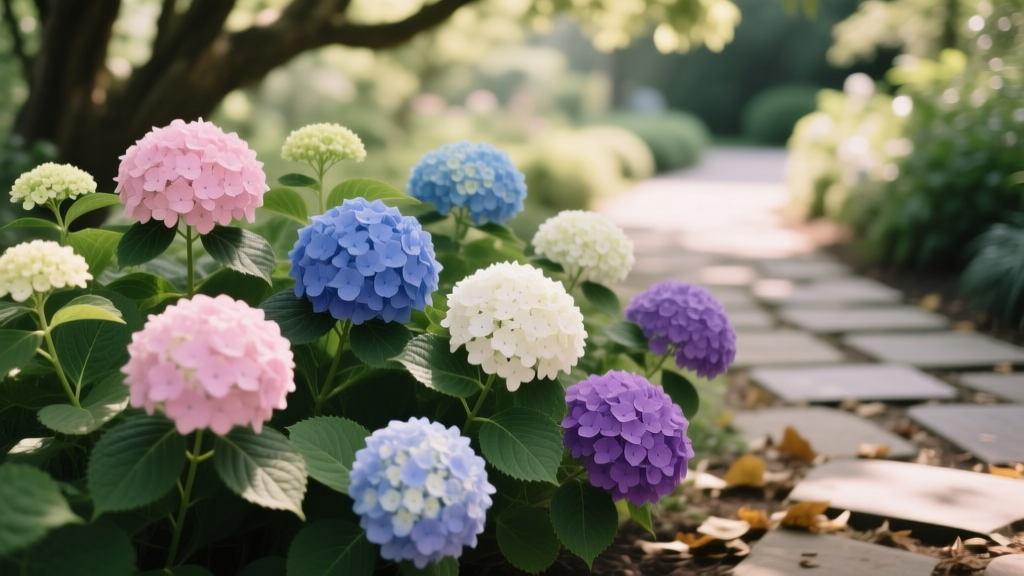
A Guide to Choosing the Best Hydrangea Species for Your Garden
James MillerPublished
Introduction to Hydrangea Species Selection
Hydrangeas are among the most beloved and versatile shrubs in the home garden, offering massive, showy blooms that can transform any landscape. However, one of the most common mistakes gardeners make is selecting a hydrangea variety without considering the specific species' environmental requirements. The term 'hydrangea' encompasses several distinct species, each with unique preferences for sunlight, soil moisture, pruning schedules, and winter hardiness. According to the Old Farmer's Almanac, understanding the fundamental differences between these species is the key to achieving lush foliage and abundant floral displays year after year. Whether you are designing a shaded woodland border, a sunny foundation planting, or a large privacy hedge, choosing the correct species will save you years of frustration. In this comprehensive guide, we will break down the four primary hydrangea species, compare their growing requirements, and provide actionable advice on planting, spacing, and soil preparation to ensure your garden thrives.
The Four Primary Hydrangea Species
1. Bigleaf Hydrangeas (Hydrangea macrophylla)
Bigleaf hydrangeas are the classic florist hydrangeas, famous for their massive, globe-like 'mophead' or flat, lacecap flower clusters. These are the species most commonly associated with the ability to change bloom color based on soil pH. They thrive in USDA Hardiness Zones 5 through 9, though they require protection from harsh winter winds in Zone 5. Bigleaf hydrangeas prefer partial shade, specifically morning sun followed by dappled or full afternoon shade, as intense midday heat can cause their large leaves to wilt rapidly. Popular varieties include 'Endless Summer', which blooms on both old and new wood, providing a longer flowering season, and 'Nikko Blue'. Because they bloom primarily on old wood (last year's growth), pruning must be done immediately after flowering in late summer; pruning in spring will remove the impending flower buds.
2. Panicle Hydrangeas (Hydrangea paniculata)
If your garden receives full sun, the panicle hydrangea is your best choice. Recognizable by their cone-shaped, elongated flower panicles that often transition from white to deep pink or burgundy as autumn approaches, these shrubs are incredibly cold-hardy, thriving in Zones 3 through 8. They are much more tolerant of urban pollution and drought once established than their bigleaf cousins. The 'Limelight' variety is exceptionally popular for its chartreuse-green blooms that age to pink, while 'Bobo' offers a compact, dwarf form perfect for smaller spaces or large containers. Panicle hydrangeas bloom on new wood, meaning you can safely prune them in late winter or early spring without sacrificing the upcoming season's flowers. This makes them highly forgiving for novice gardeners.
3. Smooth Hydrangeas (Hydrangea arborescens)
Native to the United States, smooth hydrangeas are rugged, reliable, and highly tolerant of cold winters, flourishing in Zones 3 through 9. They produce large, rounded, white or pale green flower clusters that can reach up to 12 inches across in varieties like 'Annabelle' and 'Incrediball'. Unlike bigleaf hydrangeas, smooth hydrangeas can handle more sun, provided they receive adequate moisture. They are also unique in that they can be cut back to the ground in late winter, as they bloom entirely on new wood. This aggressive pruning encourages stronger, thicker stems that are better equipped to support the massive flower heads without flopping over after heavy summer rains.
4. Oakleaf Hydrangeas (Hydrangea quercifolia)
For gardeners seeking multi-season interest, the oakleaf hydrangea is unparalleled. Named for its large, deeply lobed leaves that resemble those of an oak tree, this species offers stunning autumn foliage in shades of crimson, bronze, and purple. The cone-shaped white flowers age to a papery pink, and the exfoliating cinnamon-colored bark provides excellent winter texture. Oakleaf hydrangeas prefer the dappled shade of a woodland setting and require well-draining soil, as they are highly susceptible to root rot in heavy, waterlogged clay. They thrive in Zones 5 through 9 and bloom on old wood, requiring minimal pruning other than the removal of dead or crossing branches in early summer.
Hydrangea Species Comparison Chart
| Species | Ideal Sunlight | USDA Zones | Bloom Time | Pruning Schedule |
|---|---|---|---|---|
| Bigleaf (H. macrophylla) | Partial Shade | 5 - 9 | Early to Late Summer | Immediately after flowering |
| Panicle (H. paniculata) | Full Sun to Part Sun | 3 - 8 | Mid-Summer to Fall | Late Winter / Early Spring |
| Smooth (H. arborescens) | Part Sun to Shade | 3 - 9 | Early Summer to Fall | Late Winter (can cut to ground) |
| Oakleaf (H. quercifolia) | Dappled / Woodland Shade | 5 - 9 | Early Summer | Minimal; after flowering if needed |
Matching Species to Your Climate Zone
Selecting a hydrangea that aligns with your local climate is critical for long-term survival. The USDA Plant Hardiness Zone Map is an essential tool for determining which species will survive your winter lows. If you live in the colder regions of Zone 4 or Zone 5, panicle and smooth hydrangeas are your safest bets, as they bloom on new wood and will not suffer from late spring frosts that destroy the old-wood flower buds of bigleaf varieties. Conversely, if you reside in the hot, humid South (Zones 8 and 9), panicle hydrangeas may struggle with intense summer heat unless they are provided with afternoon shade and heavy mulching. In these warmer zones, oakleaf and bigleaf hydrangeas often perform better, provided they are planted in well-draining, organically rich soil that retains moisture without becoming soggy.
Soil pH and Bloom Color Selection
One of the most fascinating aspects of variety selection applies exclusively to the Bigleaf hydrangea (Hydrangea macrophylla). The bloom color of these specific varieties is dictated by the availability of aluminum in the soil, which is controlled by soil pH. According to the Clemson University Home & Garden Information Center, a soil pH of 5.0 to 5.5 allows the plant to absorb aluminum, resulting in vibrant blue flowers. To achieve this, gardeners can amend the soil with aluminum sulfate or elemental sulfur. Conversely, a soil pH of 6.0 to 6.5 restricts aluminum uptake, yielding beautiful pink blooms. To raise the pH and encourage pink flowers, incorporate dolomitic lime into the planting bed. It is important to note that white hydrangeas (including all panicle, smooth, and oakleaf species) do not change color regardless of soil pH; their color shifts are purely a result of natural aging and seasonal temperature changes.
Planting, Spacing, and Cost Considerations
When purchasing hydrangeas, you will typically find them in 1-gallon, 3-gallon, or 5-gallon nursery pots. A 1-gallon plant generally costs between $15 and $25 and will take 2 to 3 years to reach maturity. A 3-gallon specimen ($35 to $50) offers immediate landscape impact, while a 5-gallon shrub ($60 to $90) is ideal for instant privacy screens. When planting, dig a hole that is two to three times wider than the root ball but no deeper than the root crown. Hydrangeas hate being planted too deeply. Amend the native soil with 20% to 30% organic compost to improve drainage and moisture retention.
Spacing is heavily dependent on the mature width of the specific variety. Compact varieties like 'Bobo' or 'Cityline Paris' can be spaced 2 to 3 feet apart. Massive varieties like 'Limelight' or 'Annabelle' require 5 to 7 feet of spacing to ensure adequate air circulation, which is vital for preventing fungal diseases like powdery mildew and leaf spot. After planting, apply a 2 to 3-inch layer of organic mulch, such as shredded pine bark or pine needles, around the base of the plant. Keep the mulch a few inches away from the main stems to prevent rot. Water newly planted hydrangeas deeply twice a week for the first growing season, aiming for about 1 inch of water per week, and feed them in early spring with a balanced, slow-release granular fertilizer (such as a 10-10-10 or 14-14-14 formulation) to support vigorous new growth and abundant flowering.
