
Lawn Care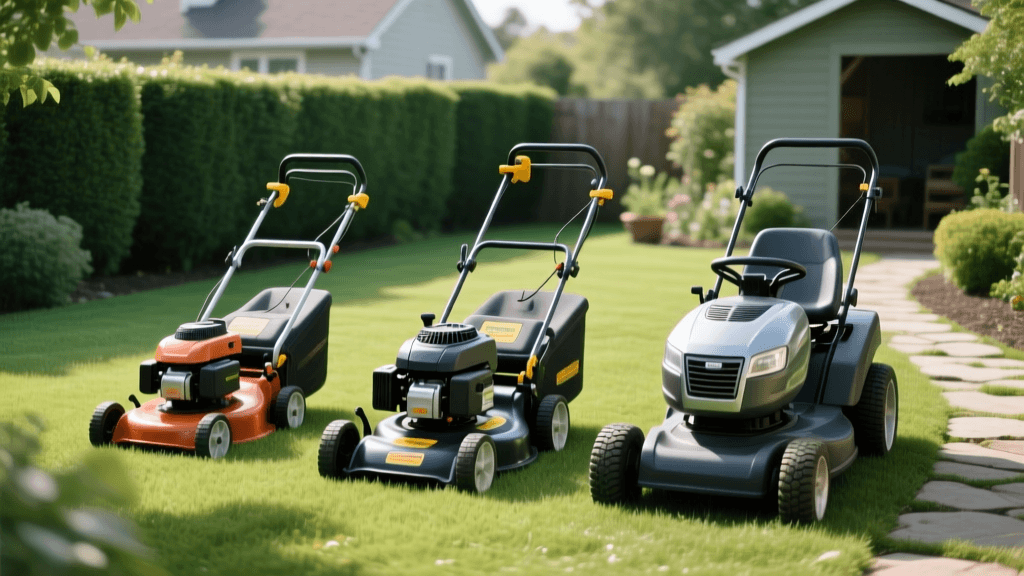
Lawn Mower Buyer Guide: Choosing the Right Mower Type
Introduction to Lawn Mower Selection
Buying a lawn mower is one of the most significant equipment investments a homeowner will make for their landscape. With hundreds of models on the market ranging from basic manual reel mowers to commercial-grade zero-turn machines, selecting the right tool requires careful consideration of your yard's unique characteristics. The wrong choice can lead to uneven cuts, excessive physical strain, or wasted money on features you will never use. Conversely, the right mower transforms lawn care from a weekend chore into an efficient, satisfying routine.
In this comprehensive tools and equipment guide, we will break down the critical factors you must evaluate before purchasing a new lawn mower. We will explore the differences between walk-behind and riding models, compare gas and battery power sources, and provide specific maintenance routines to ensure your equipment lasts for years. According to experts at the University of Missouri Extension, matching the mower's deck size and power type to your specific turfgrass and terrain is the most critical step in achieving a professional-quality cut at home.
Assessing Your Lawn Size and Terrain
Before looking at specific brands or power sources, you must accurately measure your lawn. Lawn size is typically measured in acres or square feet (one acre equals 43,560 square feet). The physical layout—including slopes, obstacles, and narrow passages—will dictate the maneuverability and drive system you require.
- Small Yards (Under 1/4 Acre): Typically under 10,000 square feet. These yards are best suited for push mowers or compact battery-powered models.
- Medium Yards (1/4 to 1/2 Acre): Between 10,000 and 21,000 square feet. Self-propelled walk-behind mowers are the gold standard here, reducing user fatigue.
- Large Yards (1/2 to 2 Acres): Between 21,000 and 87,000 square feet. Riding lawn tractors or entry-level zero-turn mowers become necessary to save time.
- Estates and Acreage (Over 2 Acres): Require heavy-duty zero-turn mowers with wide decks and high-horsepower engines to complete the job efficiently.
Terrain is equally important. If your yard features hills with a gradient greater than 15 degrees, a rear-wheel-drive self-propelled mower or a specialized slope mower is required for safety and traction. Riding mowers can be dangerous on steep inclines due to the risk of rollovers.
Walk-Behind Mowers: Push vs. Self-Propelled
Walk-behind mowers are the most common choice for suburban lawns. They generally feature a 21-inch cutting deck and are available in two primary drive configurations.
Standard Push Mowers
Push mowers rely entirely on human effort to move forward. They are lightweight, affordable (typically ranging from $250 to $450), and feature fewer mechanical parts that can break down. However, they are only recommended for flat, small yards. Pushing a mower through thick, wet grass or over uneven terrain can be exhausting and result in an uneven cut.
Self-Propelled Mowers
Self-propelled mowers feature a transmission that drives the wheels, requiring the user only to steer and guide the machine. These models cost between $400 and $900 and come in three drive types:
- Front-Wheel Drive (FWD): Best for flat, level lawns. They are easy to turn by lifting the front wheels but can lose traction on hills.
- Rear-Wheel Drive (RWD): The most versatile option. RWD provides superior traction on hills and when bagging heavy clippings, as the weight of the grass shifts to the rear wheels.
- All-Wheel Drive (AWD): Ideal for highly uneven terrain, steep hills, and thick overgrowth. Brands like Honda and Toro offer AWD models that provide maximum traction, though they come at a premium price point.
Riding Mowers and Zero-Turn Equipment
When your lawn exceeds half an acre, walking behind a mower becomes a multi-hour endurance test. Riding mowers offer a seated platform, wider cutting decks, and faster mowing speeds.
Lawn Tractors
Lawn tractors feature a steering wheel and a front-mounted engine. They typically have deck sizes ranging from 42 to 54 inches. They are excellent for yards with many trees and tight corners because the front-wheel steering is intuitive. Many lawn tractors also accept attachments like snow blowers, tow-behind aerators, and dump carts, making them a year-round utility vehicle. Expect to pay between $2,000 and $4,000 for a reliable residential lawn tractor.
Zero-Turn Radius (ZTR) Mowers
Zero-turn mowers utilize dual hydrostatic transmissions controlled by lap bars instead of a steering wheel. This allows the mower to pivot 180 degrees on its own axis, leaving no uncut grass around obstacles. ZTR mowers are significantly faster than lawn tractors, with top speeds often exceeding 7 MPH. They are the preferred choice for large, open lawns with few tight, narrow gates. Entry-level residential ZTRs start around $3,000, while commercial-grade models from brands like Exmark or Scag can exceed $10,000.
Mower Comparison Chart
| Mower Type | Ideal Yard Size | Standard Deck Size | Average Cost | Best For |
|---|---|---|---|---|
| Push Mower | Under 1/4 Acre | 20 - 21 Inches | $250 - $450 | Flat, small urban lawns |
| Self-Propelled | 1/4 to 1/2 Acre | 21 - 22 Inches | $400 - $900 | Medium yards with slopes |
| Lawn Tractor | 1/2 to 2 Acres | 42 - 54 Inches | $2,000 - $4,000 | Yards needing attachments |
| Zero-Turn Mower | 1/2 Acre to 4+ Acres | 42 - 60 Inches | $3,000 - $8,000+ | Large lawns, speed, obstacles |
Power Source Showdown: Gas vs. Lithium-Ion Battery
The most significant shift in lawn care equipment over the last decade has been the transition from internal combustion engines to lithium-ion battery technology.
Gas-Powered Mowers
Traditional 4-cycle gas engines (ranging from 140cc to 190cc for walk-behinds) offer raw, sustained power. They are ideal for cutting extremely thick, wet grass and do not suffer from battery degradation in extreme heat. However, they require annual maintenance, including oil changes, spark plug replacements, and fuel stabilizers. Furthermore, environmental regulations are changing the landscape of gas equipment. The California Air Resources Board (CARB) has implemented strict regulations and phase-outs on small off-road engines (SORE) due to their disproportionate emission levels, signaling a broader industry shift toward electrification.
Lithium-Ion Battery Mowers
Battery-powered mowers have evolved from niche products to mainstream contenders. Modern brushless motors paired with high-capacity lithium-ion batteries (typically 40V, 60V, or 80V systems) deliver torque comparable to gas engines. Brands like EGO Power+, Ryobi, and Toro offer battery mowers that run for 45 to 60 minutes on a single charge—enough to cut a 1/3 acre lawn. The benefits include zero direct emissions, push-button starting, and drastically reduced noise levels. The primary drawback is the upfront cost of extra batteries and the potential for reduced runtime in freezing temperatures or exceptionally dense grass.
Understanding Mower Decks and Cutting Widths
The mower deck houses the blade and dictates the quality of your cut. Decks are generally constructed from either stamped steel or fabricated (welded) steel.
- Stamped Decks: Made from a single piece of steel pressed into shape. They are lighter and cheaper, making them standard on most residential push mowers and entry-level tractors. However, they are prone to denting if you strike a hidden rock or root.
- Fabricated Decks: Constructed from heavy-gauge steel plates welded together. They are incredibly durable and maintain their shape under stress, ensuring a perfectly level cut over time. Fabricated decks are standard on commercial zero-turns and high-end residential tractors.
Regarding cutting width, a 21-inch deck is standard for walk-behinds. For riding mowers, a 42-inch deck is standard for residential use, but upgrading to a 50-inch or 54-inch deck can reduce your mowing time by up to 30% on large properties.
Blade Types and Cutting Techniques
The blade attached to your mower deck is just as important as the machine itself. Upgrading your blade can solve many common lawn care issues.
- Standard (High-Lift) Blades: Feature a pronounced upward curve on the trailing edge. This creates a powerful vacuum that stands the grass blade up before cutting it, resulting in excellent striping and superior bagging performance.
- Mulching Blades: Feature extra cutting edges and a complex shape designed to keep grass clippings suspended under the deck, chopping them into fine particles. According to the University of Minnesota Extension, leaving these fine clippings on the lawn returns valuable nitrogen and moisture to the soil, reducing the need for synthetic fertilizers by up to 25%.
- Gator/Toothed Blades: A hybrid blade that offers high-lift for bagging while utilizing serrated teeth to chop clippings finely for mulching.
Essential Mower Maintenance for Longevity
Regardless of whether you choose a $300 push mower or a $6,000 zero-turn, rigorous maintenance is required to protect your investment. Neglecting basic upkeep is the leading cause of premature equipment failure.
Gas Mower Maintenance Schedule
- Before Every Use: Check the oil level and inspect the air filter. Clear the deck of any dried, caked-on grass.
- Every 25 Hours: Clean or replace the air filter. A clogged filter restricts airflow, causing the engine to run rich, overheat, and consume excess fuel.
- Every 50 Hours (or Annually): Change the engine oil (typically SAE 30 or 10W-30), replace the spark plug, and sharpen the mower blade. A dull blade tears the grass rather than cutting it, leaving jagged, brown tips that invite fungal diseases.
- End of Season: Either drain the carburetor completely or add a high-quality fuel stabilizer (like STA-BIL) to prevent the ethanol in modern gasoline from gumming up the internal jets during winter storage.
Battery Mower Maintenance Schedule
- Before Every Use: Inspect the battery terminals for corrosion and ensure the deck is clean to prevent moisture-induced rust.
- Annually: Sharpen or replace the blade. Check all mounting bolts to ensure the motor housing is secure.
- Battery Storage: Lithium-ion batteries degrade rapidly if stored at 100% charge or 0% charge in extreme temperatures. Store batteries indoors at room temperature with a 50% to 70% charge level during the off-season to maximize their lifespan.
Conclusion
Choosing the right lawn mower requires balancing your yard's physical demands with your budget and maintenance preferences. For small, flat urban lots, a lightweight 21-inch battery push mower offers unmatched convenience. For sprawling, multi-acre estates, a fabricated-deck zero-turn mower is an absolute necessity for time management. By carefully evaluating your terrain, understanding the mechanical differences between drive systems, and committing to a strict seasonal maintenance routine, you will secure a pristine, healthy lawn and ensure your equipment operates flawlessly for a decade or more.