Pest Control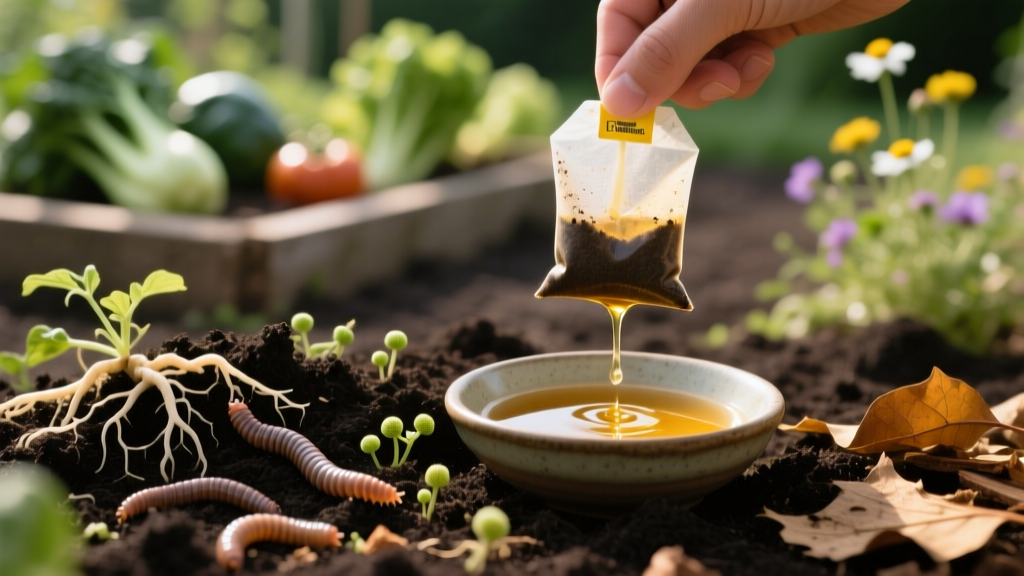
Compost for Pest Control: Building Soil to Stop Lawn Pests
Anna KowalskiPublished
The Hidden Connection Between Soil Health and Lawn Pests
When a homeowner discovers grubs devouring their lawn's root system or notices the telltale rings of a fungal disease, the immediate instinct is often to reach for a synthetic pesticide. However, modern Integrated Pest Management (IPM) reveals a different truth: the most effective defense against lawn pests begins beneath the surface. Soil health and composting are not just fertilization strategies; they are powerful, biological pest control mechanisms. By cultivating a robust soil food web, you can naturally suppress root-feeding insects, deter plant-parasitic nematodes, and outcompete turf diseases.
According to the USDA Natural Resources Conservation Service (NRCS), soil health is defined as the continued capacity of soil to function as a vital living ecosystem that sustains plants, animals, and humans. When we view the soil as a living habitat rather than mere dirt, pest control shifts from chemical eradication to biological balance.
The Soil Food Web: Nature's Pest Control System
A healthy lawn relies on the "soil food web," a complex network of interacting organisms ranging from microscopic bacteria and fungi to larger protozoa, nematodes, and arthropods. In a biologically active, compost-rich soil, these organisms exist in a state of competitive equilibrium. Pathogens and root-feeding pests are unable to establish dominant populations because they are actively hunted, parasitized, or outcompeted for resources by beneficial microbes and predatory insects.
When soils are compacted, stripped of organic matter, or heavily treated with broad-spectrum chemical pesticides, this food web collapses. The resulting biological vacuum is quickly filled by opportunistic pests and diseases. Composting restores the organic carbon necessary to feed beneficial bacteria and fungi, effectively rebuilding the microscopic army that protects your turfgrass roots.
Common Lawn Pests Suppressed by Healthy Soil
White Grubs (Japanese Beetles and Chafers)
White grubs are the larval stage of various scarab beetles, feeding aggressively on grassroots. While a few grubs are normal, outbreaks occur in lawns with poor soil structure and low biological activity. Compost-enriched soils support robust populations of predatory ground beetles, ants, and beneficial entomopathogenic nematodes (such as Heterorhabditis bacteriophora) that actively hunt and kill grub larvae before they can cause severe damage.
Plant-Parasitic Nematodes
Unlike beneficial nematodes, plant-parasitic nematodes (like root-knot and sting nematodes) pierce turfgrass roots, causing stunting, yellowing, and increased susceptibility to drought. The University of California Statewide Integrated Pest Management Program (UC IPM) notes that increasing soil organic matter through compost encourages fungi like Trichoderma and predatory nematodes that trap, parasitize, and consume these root-destroying pests. Furthermore, the improved moisture retention in compost-amended soils helps grass tolerate minor nematode feeding.
Turfgrass Fungal Pathogens
Diseases like brown patch, dollar spot, and Pythium blight thrive in stressed turf. High-quality compost introduces competitive exclusion. Beneficial microbes, such as Bacillus subtilis and Pseudomonas fluorescens, colonize the leaf surface and root zone, consuming the exudates that fungal spores need to germinate. They also secrete natural antibiotics that inhibit pathogen growth.
Actionable Steps: Using Compost to Deter Pests
To leverage compost for pest management, you must apply it correctly and consistently. Here is how to integrate organic matter into your lawn care routine to build pest-resistant soil.
1. Core Aeration and Top-Dressing
Compacted soil lacks the oxygen required for aerobic, pest-suppressing microbes to survive. Begin by core aerating your lawn in the early fall or spring. Immediately after aeration, top-dress the lawn with high-quality, fully finished, and screened compost. The compost will fall into the aeration holes, creating deep vertical channels of organic matter that encourage deep root growth and introduce beneficial biology directly to the root zone.
2. Applying Aerated Compost Tea (ACT)
Aerated compost tea is a liquid extract brewed from compost, water, and microbial food sources (like kelp or humic acids) using an air pump. This process multiplies beneficial aerobic bacteria and fungi by the billions. Spraying ACT on your lawn every 3 to 4 weeks during the growing season inoculates the grass blades and soil surface with predatory microbes, creating a hostile environment for fungal spores and foliar pests.
3. Maintaining the Thatch Layer
A thin layer of thatch (about half an inch) is beneficial, but excessive thatch harbors pests like chinch bugs and sod webworms. The fungi and actinomycetes present in compost are nature's primary decomposers. Regular, light applications of compost accelerate the breakdown of thatch, eliminating the hiding spots and breeding grounds for surface-dwelling pests.
4. Choosing the Right Compost for Pest Management
Not all compost is created equal. Municipal yard waste compost is good for bulk organic matter but may lack microbial diversity. For pest suppression, seek out compost that includes a mix of green materials (nitrogen-rich) and brown materials (carbon-rich), and ideally includes worm castings (vermicompost). Vermicompost is exceptionally rich in beneficial microbes and contains chitinase, an enzyme that breaks down the exoskeletons of grubs and beetles.
Compost Application Guide for Pest Suppression
| Application Method | Rate / Measurement | Timing | Primary Pest Control Benefit |
|---|---|---|---|
| Top-Dressing (after aeration) | 1/4 to 1/2 inch depth | Early Fall or Early Spring | Suppresses grubs via predatory nematodes; improves root vigor. |
| Aerated Compost Tea (Foliar & Soil) | 5 gallons per 1,000 sq ft | Every 3-4 weeks (growing season) | Outcompetes fungal spores (brown patch, dollar spot). |
| Thatch Decomposition Dusting | 1/8 inch (finely screened) | Late Spring | Accelerates thatch breakdown, removing chinch bug habitats. |
| Spot Treatment (Diseased Areas) | 1/2 inch over affected patches | At first sign of disease | Introduces Trichoderma to parasitize localized fungal outbreaks. |
The Role of Beneficial Microbes in IPM
The magic of compost lies in its microbiology. When you apply compost, you are not just adding nitrogen or phosphorus; you are inoculating your lawn with specific biological control agents.
- Mycorrhizal Fungi: These fungi form symbiotic relationships with grass roots, extending their reach for water and nutrients. A well-hydrated, vigorously growing root system can easily outgrow minor pest damage.
- Trichoderma: A genus of fungi naturally abundant in mature compost that acts as a mycoparasite, literally attacking and digesting the cell walls of harmful turf pathogens like Rhizoctonia (the cause of brown patch).
- Predatory Nematodes: While plant-parasitic nematodes destroy roots, the diverse ecosystem in compost supports predatory nematodes that feed on soil-dwelling insect larvae and other harmful organisms.
Critical Mistakes to Avoid
Using compost for pest control requires precision. If done incorrectly, you can inadvertently attract the very pests you are trying to repel.
- Using Immature Compost: Compost that has not fully cured will continue to break down in your soil, generating heat and tying up nitrogen. More importantly, the decaying organic acids and volatile compounds in unfinished compost act as a beacon for adult scarab beetles, which will lay their eggs in your lawn, guaranteeing a future grub infestation. The Environmental Protection Agency (EPA) emphasizes that proper composting requires reaching temperatures between 135°F and 160°F to kill weed seeds and pathogens, followed by a curing phase to stabilize the material.
- Applying Raw Manure: Never apply raw or uncomposted animal manure to a lawn. It contains high levels of soluble salts that will burn grass roots, and it attracts flies, maggots, and scavenging animals that will tear up your turf.
- Over-Application: Applying more than an inch of compost at one time can smother the grass, blocking sunlight and trapping excess moisture against the crown of the plant, which invites crown rot and fungal diseases.
Conclusion
Transitioning to a soil-health-focused approach to pest control requires patience. You are not applying a quick-fix chemical that will knock down a pest population in 24 hours. Instead, you are rebuilding an ecosystem. By consistently applying high-quality compost, aerating compacted soils, and brewing compost teas, you create a resilient, biologically diverse lawn. Over time, this vibrant soil food web will naturally regulate pest populations, reduce the need for synthetic interventions, and result in a thicker, greener, and more resilient landscape.