Pest Control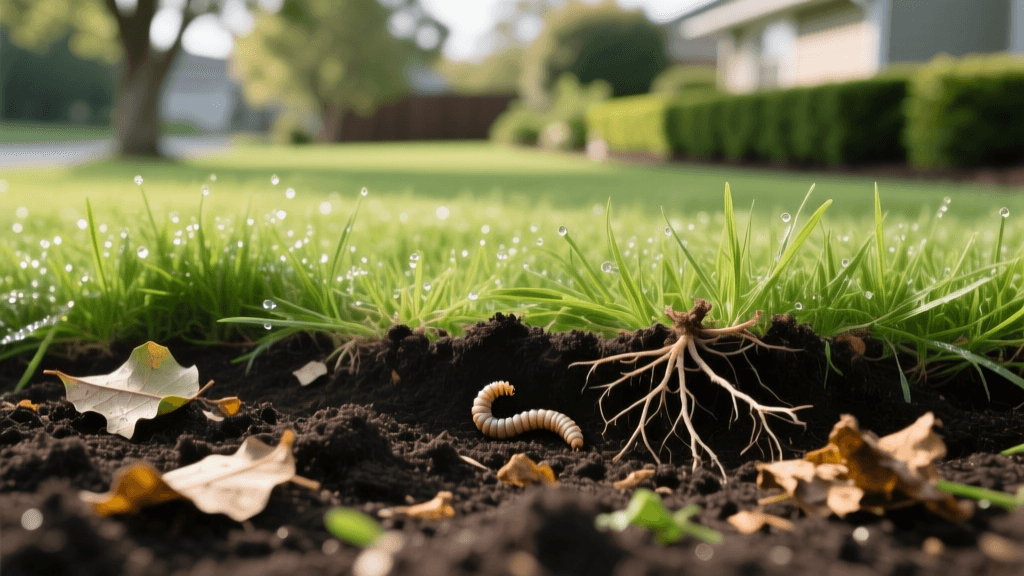
How Healthy Soil and Compost Control Lawn Grubs Naturally
The Connection Between Soil Health and Lawn Pests
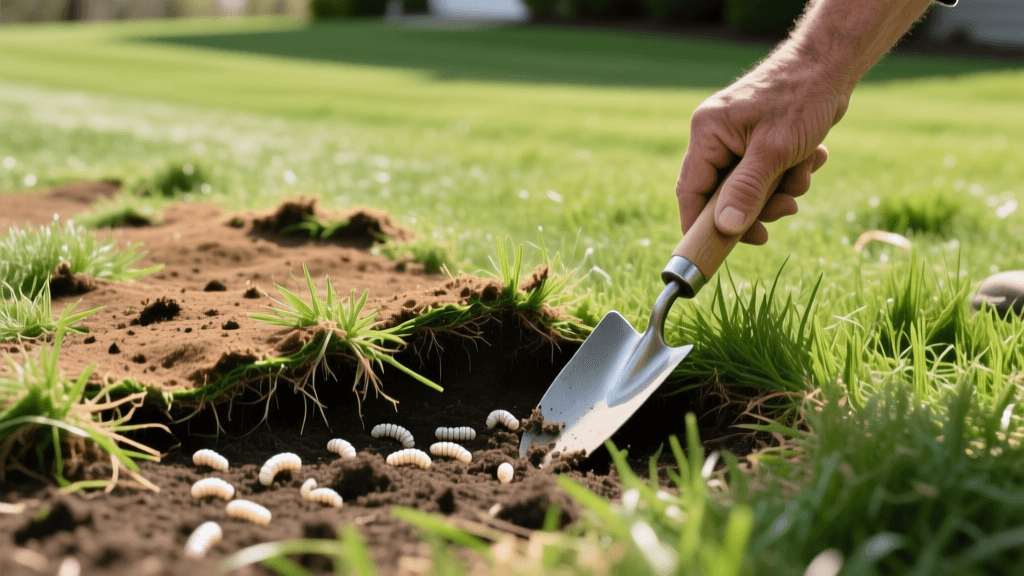
When most homeowners spot brown patches in their turf or notice animals digging up their yard, their first instinct is to reach for synthetic chemical pesticides. However, modern integrated pest management (IPM) increasingly points to a more fundamental solution: soil health. The presence of root-feeding pests like Japanese beetle grubs, European chafers, and June bugs is often a symptom of a degraded soil ecosystem. By shifting the focus from chemical warfare to ecological balance through composting and soil microbiome management, you can naturally suppress pest populations while building a more resilient, drought-tolerant lawn.
A degraded lawn soil environment—typically characterized by heavy compaction, lack of organic matter, and an absence of microbial diversity—creates the perfect breeding ground for pests. In contrast, a vibrant soil ecosystem acts as a natural immune system for your turf. According to the USDA Natural Resources Conservation Service, soil health is defined as the continued capacity of soil to function as a vital living ecosystem that sustains plants, animals, and humans. When you introduce high-quality compost to your lawn, you are inoculating the soil with billions of beneficial microorganisms that compete with, prey upon, and deter destructive lawn pests.
How Compost Suppresses Root-Feeding Pests
Compost does not act as a direct contact poison like synthetic insecticides. Instead, it utilizes three primary biological mechanisms to control pests like white grubs and pathogenic nematodes:
1. Biological Competition and Predation
Finished compost is teeming with predatory fungi, bacteria, and beneficial nematodes. When applied to the lawn, these organisms establish themselves in the rhizosphere (the root zone). Predatory nematodes and entomopathogenic fungi (such as Beauveria bassiana and Metarhizium anisopliae) actively hunt and parasitize the larvae of scarab beetles before they can sever your grass roots. Furthermore, a robust microbial web outcompetes pathogenic organisms for resources, effectively starving out soil-borne diseases that weaken grass and make it more susceptible to insect damage.
2. Enhanced Root Vigor and Tolerance
Grubs feed on the roots of turfgrass, causing the grass to detach from the soil and die from drought stress. However, turf grown in compost-amended soil develops significantly deeper and denser root systems. Penn State Extension notes that a healthy, vigorously growing lawn can tolerate a much higher threshold of grub feeding before visible damage occurs. The organic matter in compost improves soil structure, allowing roots to penetrate deeper and access water reserves, meaning the grass can easily outgrow minor root pruning caused by low-to-moderate grub populations.
3. Thatch Decomposition and Habitat Removal
Pests like chinch bugs and sod webworms thrive in thick, spongy thatch layers where they can hide from predators and avoid desiccation. The bacteria and fungi introduced through regular compost top-dressing accelerate the natural decomposition of thatch. By keeping the thatch layer below 0.5 inches, you eliminate the primary habitat and breeding ground for these surface-dwelling pests.
Actionable Composting Strategies for Pest Control
To harness the pest-control benefits of compost, you must apply it correctly and consistently. Here are the most effective, actionable methods for integrating compost into your lawn care routine.
Strategic Top-Dressing
Top-dressing involves spreading a thin layer of compost over your existing turf. This is the most effective way to build long-term soil biology and deter grubs.
- Material: Use finely screened, fully finished compost. It should smell earthy, not sour or like ammonia.
- Measurement: Apply a thin layer, approximately 1/4 to 1/2 inch thick. This equates to roughly 1 to 1.5 cubic yards per 1,000 square feet of lawn.
- Timing: The best time to top-dress is in early fall (September) when cool-season grasses are actively growing and grubs are near the surface. Spring (April) is the second-best window.
- Cost: Bulk screened compost typically costs between $30 and $50 per cubic yard, making it a highly cost-effective long-term investment compared to annual chemical grub preventatives.
- Application: Mow the lawn short, aerate the soil (core aeration is highly recommended before top-dressing to allow compost to reach the root zone), and spread the compost evenly using a shovel and the back of a heavy garden rake.
Brewing Aerated Compost Tea (ACT)
Compost tea is a liquid extract that allows you to apply beneficial microbes deep into the soil profile and onto grass blades, offering a rapid biological boost.
- Equipment: A 5-gallon bucket, a 400-GPH aquarium air pump, an air stone, and a fine mesh brew bag.
- Recipe: Fill the bucket with non-chlorinated water (let tap water sit for 24 hours to off-gas chlorine). Add 2 cups of high-quality compost and 1 tablespoon of unsulfured blackstrap molasses (which acts as a food source to rapidly multiply bacteria).
- Brewing Time: Aerate the mixture vigorously for 24 to 36 hours at room temperature.
- Application: Dilute the tea 1:1 with water and apply using a pump sprayer or hose-end sprayer immediately after brewing. Apply every 3 to 4 weeks during the growing season to maintain high microbial populations that suppress fungal diseases and deter egg-laying adult insects.
Soil Amendments for Pest Management: A Comparison
Choosing the right organic amendment depends on the specific pests you are targeting and your lawn's current soil condition. Below is a comparison chart of common organic soil amendments used for pest suppression.
| Soil Amendment | Primary Pest Target | Application Rate | Estimated Cost | Best Time to Apply |
|---|---|---|---|---|
| Screened Compost | White Grubs, Chinch Bugs | 1/4 to 1/2 inch layer | $30-$50 / cubic yard | Early Fall / Spring |
| Aerated Compost Tea | Fungus Gnats, Foliar Pathogens | 1 gallon per 1,000 sq ft | $0.50 / gallon (DIY) | Monthly (Growing Season) |
| Beneficial Nematodes (Hb) | Japanese Beetle Grubs | 1 billion per acre | $40-$60 / packet | Late Summer (August) |
| Neem Seed Meal | Grubs, Nematodes, Fungi | 5 lbs per 1,000 sq ft | $25 per 5 lb bag | Spring / Early Summer |
Synergizing Compost with Beneficial Nematodes
While compost builds long-term resilience, severe grub infestations may require an immediate biological intervention. This is where beneficial nematodes, specifically Heterorhabditis bacteriophora (Hb), come into play. Hb nematodes are microscopic worms that actively seek out grub larvae, enter their bodies, and release bacteria that kill the pest within 48 hours.
The challenge with nematodes is that they are highly sensitive to UV light, drought, and poor soil conditions. This is where your composting strategy becomes a powerful synergistic tool. Applying nematodes immediately after a compost top-dressing or alongside a compost tea application provides the nematodes with a moist, microbe-rich environment that protects them from environmental stress. The organic matter acts as a sponge, retaining the moisture that nematodes require to move through the soil profile and locate their grub hosts. Always apply nematodes in the late evening or on an overcast day, and water the lawn deeply immediately after application to wash them into the root zone.
Common Composting Mistakes That Attract Pests
While compost is a powerful tool for pest control, improper use can inadvertently invite unwanted guests. Avoid these common mistakes to ensure your soil health efforts do not backfire:
Using Immature or Raw Compost
Compost that has not fully cured will continue to break down actively, generating heat and releasing volatile organic compounds (VOCs) that smell like rotting food or ammonia. These odors are highly attractive to pests such as fungus gnats, soldier flies, and even larger scavengers like raccoons. Furthermore, the decomposition process of raw compost ties up soil nitrogen, temporarily starving your grass and making it weak and vulnerable to pest attacks. Always ensure your compost is fully finished—it should be dark, crumbly, and smell like a forest floor.
Over-Applying Nitrogen-Rich Amendments
Some gardeners mistake high-nitrogen organic fertilizers (like raw chicken manure or excessive blood meal) for compost. Applying too much nitrogen forces the grass to produce rapid, soft, and sugary top growth. This tender tissue is highly attractive to sap-sucking insects like aphids and chinch bugs, and it signals to adult beetles that the turf is an ideal place to lay eggs. True compost is generally balanced and slow-release, providing a steady diet of micronutrients without the massive nitrogen flush that invites pests.
Ignoring Soil Moisture Levels
The soil food web requires moisture to function. If you apply compost or compost tea to a bone-dry lawn and fail to water it in, the beneficial microbes will perish rapidly, and the compost will simply blow away or form a hydrophobic crust. Conversely, overwatering your lawn to keep the compost moist can lead to waterlogged soils, which deprive roots of oxygen and create an ideal breeding ground for root-rot pathogens and fungus gnats. Aim to keep the soil consistently moist—like a wrung-out sponge—following any compost application.
Conclusion: A Long-Term Ecological Investment
Transitioning to a compost-based lawn care regimen is not a quick fix; it is a long-term ecological investment. Synthetic pesticides offer immediate, albeit temporary, knockdown of grub populations, but they often indiscriminately kill the beneficial organisms that keep pests in check naturally, leading to a cycle of chemical dependency. By focusing on soil health, you are addressing the root cause of pest vulnerability. As the Environmental Protection Agency (EPA) highlights, composting not only enriches soil and reduces the need for chemical fertilizers, but it also promotes biodiversity and aids in overall environmental sustainability. By feeding the soil rather than just the plant, you cultivate a robust, living turf that naturally defends itself against grubs and other pests, resulting in a greener, healthier, and more resilient lawn for years to come.