Pest Control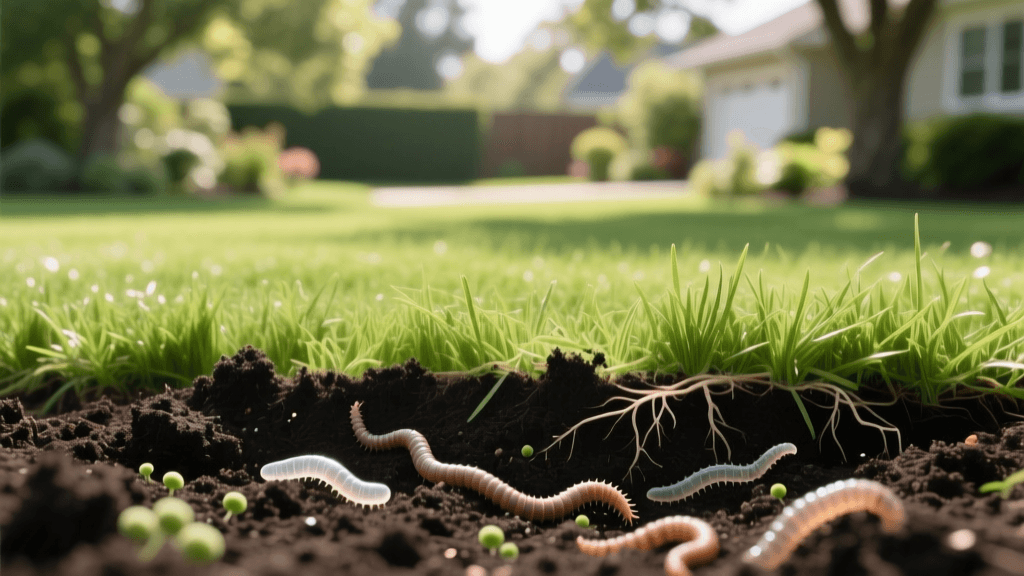
Using Compost and Soil Health to Control Lawn Pests
The Hidden Connection Between Soil Health and Pest Control
Most homeowners view pest control as a reactive battle, reaching for chemical sprays at the first sign of chewed grass blades or brown patches. However, modern agronomy and entomology reveal a profound truth: a vibrant, biologically active soil ecosystem is your lawn's first and most effective line of defense against pests. By focusing on soil health and composting, you can create a naturally pest-suppressive environment that targets the root causes of infestations rather than merely treating the symptoms.
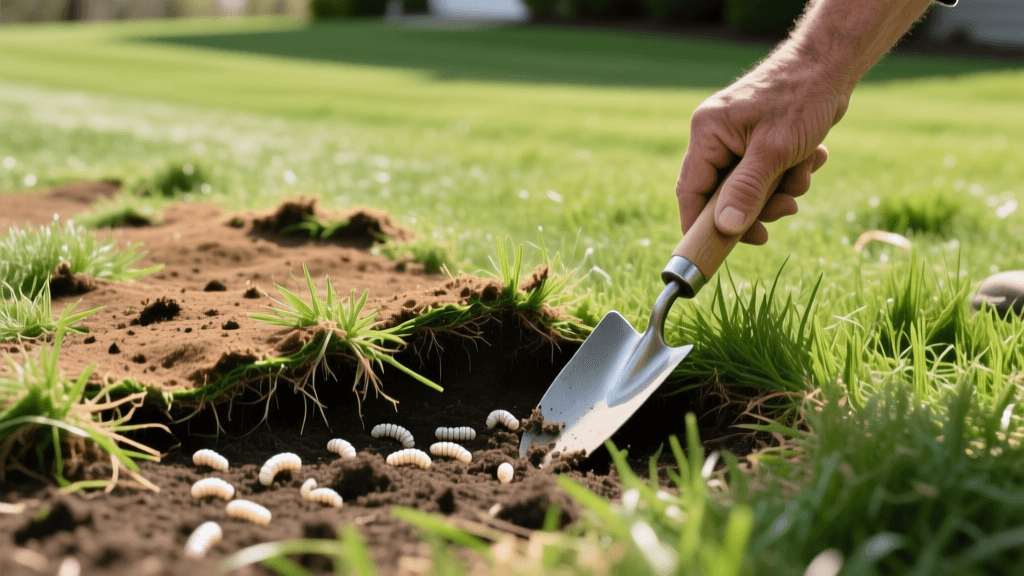
According to the Integrated Pest Management (IPM) principles established by environmental protection agencies, manipulating the habitat to make it less hospitable to pests and more supportive of beneficial organisms is a cornerstone of sustainable lawn care. When you build healthy soil through regular compost applications, you are not just feeding your grass; you are cultivating an underground army of predatory microbes, beneficial nematodes, and arthropods that actively hunt and consume lawn-destroying pests like white grubs, chinch bugs, and root-feeding nematodes.
How Organic Compost Suppresses Soil-Borne Pests
Synthetic fertilizers and broad-spectrum chemical pesticides often create a vicious cycle. While they may offer a quick knockdown of visible pests, they simultaneously sterilize the soil, wiping out the beneficial fungi and bacteria that keep pest populations in check naturally. Organic compost reverses this cycle by introducing massive amounts of organic matter and microbial life into the soil profile.
The Role of the Soil Food Web
The soil food web is a complex, living system in the soil that manages nutrients and suppresses diseases and pests. When you top-dress your lawn with high-quality, aerobically produced compost, you introduce:
- Predatory Nematodes: Microscopic worms that actively seek out and parasitize the larvae of Japanese beetles, June bugs, and European chafers before they can sever grass roots.
- Beneficial Fungi (Mycorrhizae and Trichoderma): These fungi outcompete pathogenic fungi for space and resources, while also forming symbiotic relationships with grass roots to improve drought tolerance and vigor.
- Predatory Mites and Springtails: Tiny arthropods that feed on the eggs and early instars of soil-dwelling pests, drastically reducing the number of larvae that survive to the destructive feeding stage.
Actionable Guide: Top-Dressing Your Lawn to Deter Grubs
Top-dressing is the process of spreading a thin layer of compost over your existing turf. This practice improves soil structure, increases water retention, and inoculates the thatch layer with pest-eating microbes. Here is exactly how to execute a top-dressing regimen for optimal pest suppression.
Timing and Measurements
The best time to top-dress is during your grass's peak growing season, which allows the turf to quickly grow through the compost layer. For cool-season grasses (Kentucky bluegrass, fescues), aim for early fall (September) or early spring (April). For warm-season grasses (Bermuda, Zoysia), apply in late spring (May) once the grass has fully greened up.
Application Rate: Apply a 1/4-inch to 1/2-inch layer of finely screened organic compost. Do not exceed 1/2 inch, as thicker layers can smother the grass crown and create anaerobic conditions that actually invite pests and disease.
Material Costs: Bulk, locally sourced organic compost typically costs between $30 and $50 per cubic yard. One cubic yard will cover approximately 1,000 square feet at a 1/3-inch depth. Bagged compost is significantly more expensive and is only recommended for small patch repairs.
Step-by-Step Top-Dressing Instructions
- Mow and Dethatch: Mow your lawn slightly shorter than usual and remove excess thatch (over 1/2 inch thick) using a power rake or dethatching blade. This ensures the compost makes direct contact with the soil.
- Core Aerate: Use a core aerator to pull 2-to-3-inch soil plugs across the lawn. This relieves compaction and creates channels for the compost and its beneficial microbes to penetrate the root zone.
- Spread the Compost: Use a shovel to drop small piles of compost across the lawn, then use a push broom or a leveling rake to spread it evenly into the aeration holes and across the turf canopy.
- Water Deeply: Apply 1/2 inch of water immediately after application to wash the compost off the grass blades and down into the soil profile, activating the microbial life.
Comparison Chart: Chemical Pesticides vs. Compost Top-Dressing
Understanding the long-term impacts of your pest control strategy is vital for sustainable lawn management. Below is a comparison of traditional synthetic grub control versus a compost-based soil health approach.
| Feature | Synthetic Grub Pesticides (e.g., Imidacloprid) | Organic Compost Top-Dressing & Soil Health |
|---|---|---|
| Cost per 1,000 sq ft | $15 - $25 annually | $30 - $50 (initial bulk material, long-term savings) |
| Impact on Soil Microbes | Negative; harms beneficial bacteria and earthworms | Highly Positive; inoculates soil with billions of microbes |
| Pest Control Longevity | Short-term (3-6 months residual activity) | Cumulative and permanent as the soil food web establishes |
| Secondary Pest Flare-ups | High; eliminates natural predators, causing mite/aphid spikes | Low; encourages biodiversity that keeps all pests in check |
| Drought & Stress Tolerance | No added benefit to turf vigor | Significantly improves water retention and root depth |
Hot Composting: Eradicating Fungus Gnats and Pathogens
While adding compost to your lawn is highly beneficial, using improperly processed compost can inadvertently introduce pests like fungus gnats, root-knot nematodes, and soil-borne fungal pathogens into your garden. The key to preventing this lies in the thermophilic (hot) composting phase.
According to the composting basics guidelines provided by environmental authorities, a properly managed compost pile must reach temperatures between 131°F and 170°F (55°C to 77°C) for several consecutive days. This high-heat phase is critical for pest control because it effectively pasteurizes the organic matter.
Monitoring Compost Temperatures
To ensure your homemade compost is safe and pest-free before applying it to your lawn or garden beds, follow these temperature management rules:
- Use a Long-Stem Compost Thermometer: Insert the probe into the center of the pile. The core is where the most microbial activity and heat generation occur.
- The 3-Day Rule: The pile must maintain a temperature of at least 131°F for three consecutive days to kill pathogenic fungi, weed seeds, and the eggs of soil-dwelling pests like fungus gnats.
- Turn and Repeat: Once the center cools, turn the pile to move the cooler outer edges into the hot center. Repeat this process until all parts of the pile have reached the thermophilic stage.
- Curing Phase: After the hot phase, allow the compost to cure for 2 to 4 months. During this time, mesophilic (moderate-temperature) bacteria and beneficial fungi recolonize the material, outcompeting any surviving pathogens and creating a stable, pest-suppressive amendment.
Brewing Aerated Compost Tea for Targeted Pest Control
For gardeners dealing with active foliar pests or severe soil-borne pathogen issues, aerated compost tea (ACT) offers a concentrated, liquid inoculant that can be applied directly to the affected areas. ACT extracts the beneficial microbes from solid compost and multiplies them exponentially using oxygen and a microbial food source.
Compost Tea Recipe and Application
To brew a 5-gallon batch of pest-suppressive compost tea, you will need:
- 2 cups of high-quality, fully cured organic compost (vermicompost is excellent for this).
- 1 tablespoon of unsulfured blackstrap molasses (feeds the bacteria).
- 1/2 teaspoon of liquid kelp (feeds the fungi).
- An aquarium air pump with a large air stone to provide continuous, vigorous aeration.
Brewing Process: Place the compost in a mesh bag (like a paint strainer) and suspend it in a 5-gallon bucket of dechlorinated water. Add the molasses and kelp, then drop in the air stone. Let the mixture brew for 24 to 36 hours at room temperature (65°F to 75°F). The continuous bubbling prevents anaerobic conditions and breeds billions of aerobic, pest-fighting microbes.
Application: Dilute the finished tea at a 1:1 ratio with water and apply it as a soil drench around the base of pest-affected plants or directly over lawn brown spots caused by grub activity. The predatory nematodes and beneficial bacteria will immediately begin colonizing the root zone, establishing a biological barrier against further pest damage.
Conclusion
Transitioning from a chemical-dependent pest control regimen to a soil-health-focused approach requires patience and a shift in perspective. By utilizing hot composting techniques to eliminate existing threats, and regularly top-dressing your lawn with biologically active organic matter, you build a resilient turf ecosystem. Over time, the robust soil food web will naturally suppress grubs, nematodes, and fungal pathogens, resulting in a thicker, greener, and naturally pest-resistant lawn that saves you money and protects the local environment.