Pest Control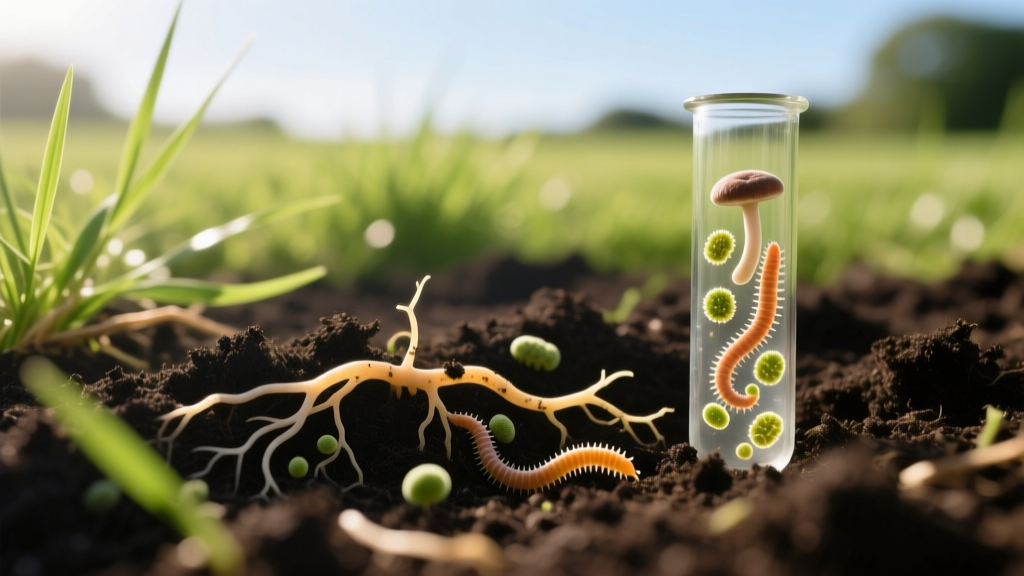
Using Compost and Soil Microbes to Suppress Lawn Pests
Robert HayesPublished
The Hidden Link Between Soil Health and Pest Control
Most homeowners view lawn pest control as a reactive battle, reaching for chemical pesticides at the first sign of grubs, chinch bugs, or nematode damage. However, modern integrated pest management (IPM) emphasizes a proactive approach rooted in the soil food web. When you shift your perspective from treating symptoms to addressing the root cause, you quickly realize that soil health and composting are among the most powerful, underutilized tools in natural pest suppression. A biologically active lawn ecosystem naturally keeps pest populations below damaging thresholds, reducing the need for synthetic interventions.
Healthy turfgrass is inherently more resistant to insect feeding and environmental stress. By prioritizing soil health through regular compost applications, you create an environment where grass roots grow deep and robust, while simultaneously fostering a subterranean army of beneficial organisms that actively hunt and suppress lawn pests.
The Soil Food Web: Nature's Pest Control System
The soil beneath your turf is not merely inert dirt; it is a thriving, microscopic metropolis. A single teaspoon of healthy, compost-enriched soil contains billions of bacteria, miles of fungal hyphae, and thousands of protozoa and beneficial nematodes. This complex network, known as the soil food web, forms the foundation of plant vigor and natural pest resistance.
When soil is compacted, stripped of organic matter, or sterilized by synthetic fertilizers, the biological balance tips in favor of opportunistic pests. By introducing high-quality compost, you inoculate your lawn with beneficial microorganisms that outcompete, prey upon, and parasitize soil-borne pests. The Environmental Protection Agency (EPA) highlights that composting fundamentally enriches soil structure and promotes the microbial diversity required for natural disease and pest suppression, making it a cornerstone of sustainable landscaping.
How Compost Suppresses Specific Lawn Pests
Compost does not act as a direct poison to insects. Instead, it suppresses pests through competition, predation, and habitat modification. Here is how a compost-rich soil profile targets some of the most notorious lawn pests.
White Grubs (Japanese Beetles, June Bugs, Chafers)
White grubs feed on grassroots, causing severe browning and turf death. Grubs thrive in compacted, lifeless soil where natural predators are absent. According to University of Kentucky's entomology guidelines, biological control is a highly effective strategy for managing grub populations. Compost introduces and sustains entomopathogenic (insect-killing) fungi like Beauveria bassiana and Metarhizium anisopliae. These fungi naturally infect and kill grub larvae in the soil. Furthermore, compost improves soil aeration, encouraging the presence of predatory ground beetles and ants that consume grub eggs before they hatch.
Plant-Parasitic Nematodes
Root-knot, sting, and lesion nematodes are microscopic worms that puncture grass roots, causing stunted growth and yellowing. Chemical nematicides are highly toxic and often restricted. Compost offers a biological alternative. Mature compost is rich in chitin-degrading bacteria and predatory fungi, such as Purpureocillium lilacinum and Pochonia chlamydosporia. These organisms parasitize nematode eggs and prey on juvenile nematodes. Additionally, the University of Minnesota Extension notes that the organic matter in compost binds soil particles, improving moisture retention and allowing grass to outgrow minor nematode damage.
Chinch Bugs and Sod Webworms
While these pests primarily feed on the surface and thatch layer, their populations explode in lawns with thick, unmanaged thatch. Thatch provides a perfect, dry microclimate for eggs to hatch and larvae to hide from predators. Compost top-dressing introduces specialized fungi and actinomycetes that rapidly decompose thatch. By accelerating thatch breakdown, compost removes the physical habitat these pests rely on for survival and reproduction.
Step-by-Step Guide: Applying Compost for Pest Suppression
To harness the pest-suppressing power of compost, you must apply it correctly to ensure the microbes reach the root zone.
- Step 1: Core Aeration. Before applying compost, core aerate your lawn. This removes small plugs of soil, relieving compaction and creating direct channels for compost and microbes to reach the grassroots.
- Step 2: Source Quality Compost. Avoid cheap, unverified mulches. Look for compost certified by the US Composting Council (USCC). It should smell earthy, be dark brown or black, and have a fine, crumbly texture. Expect to pay $30 to $50 per cubic yard.
- Step 3: Top-Dress the Lawn. Spread a 1/4 to 1/2 inch layer of compost evenly across the lawn. One cubic yard will cover approximately 1,000 square feet at a 1/3-inch depth. Use a landscaping rake or a push broom to work the compost down into the aeration holes and grass canopy.
- Step 4: Water Deeply. Water the lawn immediately after application to wash the compost off the grass blades and into the soil profile. This activates the microbes and prevents the compost from drying out.
- Timing: The best time to apply compost is in early fall when soil temperatures are warm, and turfgrass is actively growing roots. Spring application is the second-best option.
Compost Top-Dressing vs. Compost Tea: A Comparison
Both solid compost and aerated compost tea have roles in an IPM strategy, but they function differently. Below is a comparison to help you choose the right method for your lawn's needs.
| Method | Application Rate | Best Timing | Primary Pest Target | Estimated Cost |
|---|---|---|---|---|
| Compost Top-Dressing | 1/4 to 1/2 inch depth | Early Fall or Spring | Grubs, Thatch-builders, Nematodes | $30 - $50 per cubic yard |
| Aerated Compost Tea | 5 gallons per 1,000 sq ft | Monthly during growing season | Fungal pathogens, Surface feeders | $15 - $30 per brewing batch |
| Compost Extract Drench | 2 gallons per 1,000 sq ft | Spring and Fall | Root-feeding insects, Nematodes | $10 - $20 per batch |
Enhancing Compost with Biological Additives
For lawns with severe, recurring pest issues, you can supercharge your compost applications by mixing in targeted biological controls just before spreading.
- Beneficial Nematodes: Mixing live Heterorhabditis bacteriophora (Hb) nematodes into your compost pile right before top-dressing is an excellent way to deliver these microscopic hunters directly into the soil. The compost provides immediate moisture retention and UV protection, drastically increasing the survival rate of the nematodes as they hunt down grub larvae.
- Milky Spore: If Japanese beetle grubs are a chronic issue, applying milky spore powder (Paenibacillus popilliae) alongside your fall compost application helps establish this bacteria in the soil. The organic matter in the compost feeds the soil web, ensuring the milky spore remains viable for years.
Conclusion: A Long-Term Investment in Turf Defense
Transitioning to a soil-health-focused pest management strategy requires patience. Unlike chemical pesticides that offer immediate, albeit temporary, knockdown, compost builds a resilient ecosystem over time. In the first year, you may still see some pest activity, but the damage will be significantly reduced as the grass becomes more vigorous. By years two and three, the predatory organisms and beneficial fungi established by your compost applications will naturally regulate pest populations. By feeding the soil, you are not just growing better grass; you are cultivating a natural, self-sustaining defense system that keeps your lawn lush, green, and naturally pest-free.