Lawn Care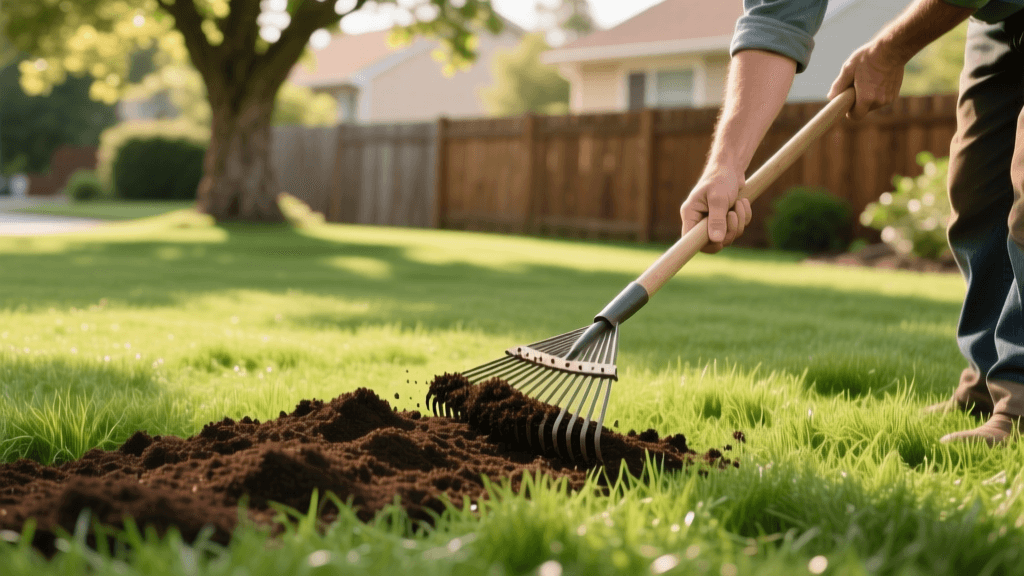
Topdressing Lawns With Compost: The Ultimate Soil Guide
The Foundation of a Healthy Lawn: Why Soil Health Matters
Every lawn care enthusiast knows the frustration of thinning grass, persistent weeds, and soil that seems completely devoid of life. While many homeowners immediately reach for synthetic fertilizers or chemical herbicides to solve these issues, the true secret to a lush, resilient lawn lies beneath the surface. Soil health is the foundation of turfgrass vitality, and one of the most effective, time-tested methods for revitalizing depleted soil is compost topdressing. According to the USDA Natural Resources Conservation Service, maintaining robust soil health is critical for sustaining plant life, improving water infiltration, and supporting the complex soil food web that naturally suppresses disease and breaks down thatch.
Topdressing with compost is not just a quick fix; it is a long-term investment in your lawn's ecosystem. By introducing rich, decomposed organic matter to the soil surface, you are inoculating your lawn with billions of beneficial microbes, improving soil structure, and increasing the soil's capacity to hold onto essential nutrients. In this comprehensive guide, we will explore the science behind compost topdressing, how to choose the right materials, and the exact steps to transform your lawn's soil health.
What is Compost Topdressing?
Compost topdressing is the practice of applying a thin, even layer of finely screened compost over the surface of an established lawn. Unlike mulching garden beds, where organic matter is applied thickly to suppress weeds, lawn topdressing requires a delicate touch. The goal is to allow the compost to filter down to the soil line and the root zone without smothering the existing grass blades. Over time, earthworms, microbial activity, and irrigation work the organic matter into the soil profile, fundamentally altering the soil's physical and chemical properties.
The Science of Cation Exchange Capacity (CEC)
One of the primary reasons compost is so beneficial is its impact on Cation Exchange Capacity (CEC). CEC is a measure of the soil's ability to hold onto positively charged ions (cations), such as calcium, magnesium, and potassium. Sandy soils typically have very low CEC, meaning nutrients leach away quickly with every rainfall or irrigation cycle. The Cornell Waste Management Institute notes that adding organic matter through compost significantly increases the CEC of sandy soils, effectively turning them into nutrient-retaining sponges. Conversely, in heavy clay soils, compost helps bind tightly packed particles into larger aggregates, improving drainage, reducing compaction, and allowing roots to breathe.
Key Benefits of Topdressing with Compost
- Thatch Reduction: Compost introduces microorganisms that actively decompose the thatch layer, converting it back into usable nutrients for the grass.
- Moisture Retention: Organic matter can hold up to 20 times its weight in water, drastically reducing your lawn's irrigation needs during summer droughts.
- Disease Suppression: Beneficial fungi and bacteria in high-quality compost outcompete pathogenic organisms, reducing the incidence of turf diseases like brown patch and dollar spot.
- pH Buffering: Compost acts as a natural buffer, helping to neutralize both overly acidic and overly alkaline soils, bringing them closer to the optimal turfgrass pH of 6.0 to 7.0.
- Reduced Fertilizer Dependency: As compost slowly breaks down, it provides a steady, organic release of macro and micronutrients, reducing the need for synthetic nitrogen applications.
When to Apply Compost to Your Lawn
Timing is critical when topdressing. You want to apply compost when your grass is actively growing so it can quickly push through the new layer of organic matter and recover from any associated stress, such as core aeration.
Cool-Season Grasses
For cool-season grasses like Kentucky Bluegrass, Tall Fescue, and Perennial Ryegrass, the absolute best time to topdress is in the early fall (late August to late September). The soil is still warm, encouraging microbial activity, while the cooler air temperatures reduce heat stress on the turf. Spring application (April to May) is a secondary option, but it carries a higher risk of promoting weed seed germination and fungal diseases due to heavy spring rains.
Warm-Season Grasses
For warm-season grasses such as Bermuda, Zoysia, St. Augustine, and Centipede, apply compost in the late spring to early summer (May to June), once the grass has fully greened up and is entering its peak growth phase. Avoid topdressing warm-season lawns in the fall, as the grass will soon enter dormancy, leaving the compost layer vulnerable to erosion and weed invasion over the winter.
Choosing the Right Compost for Your Lawn
Not all compost is created equal. Using the wrong type can introduce weed seeds, excessive salts, or imbalanced pH levels to your lawn. Always source compost from a reputable landscape supplier that regularly tests their batches. Below is a comparison of the most common compost types used in lawn care.
| Compost Type | Best For | Nutrient Profile | Pros | Cons |
|---|---|---|---|---|
| Leaf Mold | Acidic soils, shade lawns | Low N-P-K, high organic matter | Excellent moisture retention, highly sustainable | Slower to break down, lower immediate nutrients |
| Mushroom Compost | Alkaline soils, general use | Moderate N-P-K, high calcium | Readily available, inexpensive, fine texture | Can be high in soluble salts, naturally alkaline |
| Dairy/Manure | Poor soils needing a boost | High N-P-K, rich in microbes | Fast soil improvement, highly nutrient-dense | Can contain weed seeds if not hot-composted properly |
| Municipal (Biosolid) | Large areas, budget projects | Variable, usually balanced | Very cheap, diverts waste from landfills | Heavy metal concerns, strict testing required |
Calculating Your Compost Needs
Buying too little compost leads to uneven coverage, while buying too much results in smothered grass and wasted money. To determine exactly how much compost to order, use this simple formula:
(Total Square Footage × Desired Depth in Inches) ÷ 324 = Cubic Yards Needed
For example, if you have a 5,000 square foot lawn and want to apply a standard 1/3 inch (0.33) layer, the math is: (5000 × 0.33) ÷ 324 = 5.09 cubic yards. Always round up and order about 10% extra to account for uneven terrain, wheelbarrow spillage, and material settling during transport.
Step-by-Step Application Guide
Follow these actionable steps to ensure your compost topdressing project is a success.
Step 1: Conduct a Soil Test
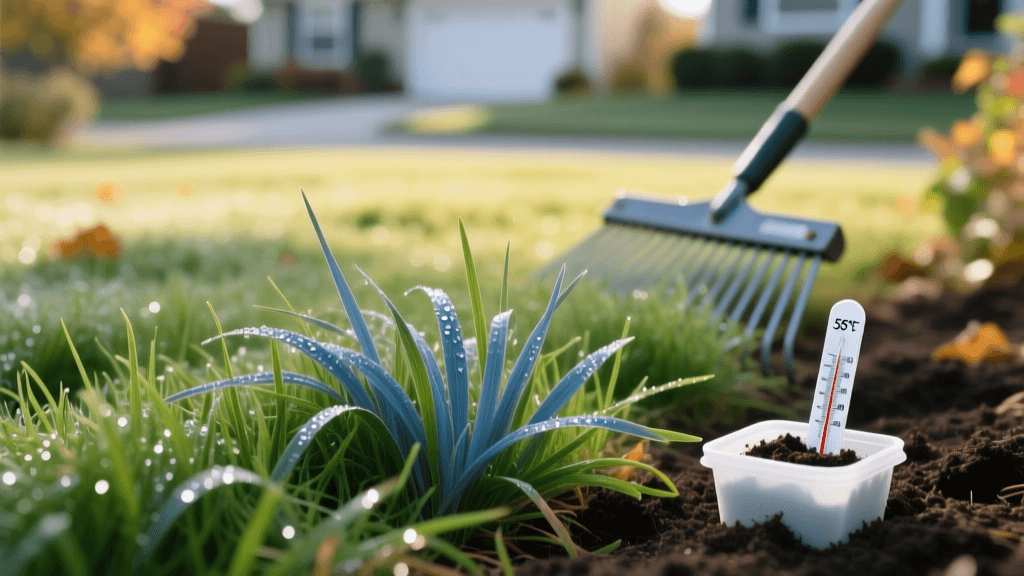
Before adding any amendments, send a soil sample to your local university extension office. This will reveal your soil's pH, baseline nutrient levels, and organic matter percentage, allowing you to choose a compost that addresses your soil's specific deficiencies.
Step 2: Mow Low and Rake
Mow your lawn slightly lower than your normal maintenance height (e.g., drop from 3.5 inches to 2.5 inches). This makes it easier for the compost to reach the soil surface. Follow up with a stiff thatch rake to remove surface debris and dead grass.
Step 3: Core Aerate (Highly Recommended)
Core aeration is the perfect companion to topdressing. By pulling 3-inch plugs of soil from the ground, you create open channels. When you apply compost immediately after aerating, the organic matter falls directly into these holes, bypassing the thatch layer and delivering microbes straight to the root zone.
Step 4: Spread the Compost
Shovel small piles of compost evenly across the lawn. Using a flexible landscaping rake or a specialized compost spreader, drag the material across the turf. Work the compost into the grass canopy until only the very tips of the grass blades are visible. Your target depth is between 1/4 inch and 1/2 inch.
Step 5: Water Deeply
Immediately after application, run your irrigation system or sprinklers for 30 to 45 minutes. This heavy watering settles the compost into the soil profile, washes it off the grass blades to prevent fungal issues, and activates the microbial life within the compost.
Common Mistakes to Avoid
While compost is incredibly forgiving, poor application techniques can cause temporary turf stress. The Environmental Protection Agency emphasizes that properly processed compost should be dark, crumbly, and smell earthy. If your compost smells like ammonia or garbage, it has not finished decomposing and will burn your lawn.
Expert Warning: Never apply more than 1/2 inch of compost in a single application. Smothering the grass blades blocks sunlight and restricts oxygen to the crown, leading to rapid turf decline and fungal diseases. If your soil is severely depleted, it is far better to apply a 1/4 inch layer twice a year (spring and fall) than to dump an inch of compost all at once. Patience and consistency are the keys to building long-term soil health.
Integrating Compost with Overseeding
If you plan to overseed your lawn, compost topdressing is the ultimate seed bed. After aerating and spreading your grass seed, apply a very light layer (1/8 to 1/4 inch) of finely screened compost over the top. The compost acts as a protective mulch, retaining the moisture necessary for seed germination while providing a gentle, organic fertilizer to the young seedlings. This combination of aeration, overseeding, and compost topdressing is widely considered the gold standard for cool-season lawn renovation.
Conclusion
Transitioning from a chemical-dependent lawn care routine to one focused on soil biology and organic matter is one of the most rewarding decisions a homeowner can make. Topdressing with compost builds a resilient, drought-tolerant, and naturally disease-resistant turf by feeding the soil rather than just forcing top growth. By selecting the right compost, timing your applications to match your grass type's growth cycle, and applying the material at the correct depth, you will cultivate a thriving soil ecosystem that supports a beautiful, dark green lawn for decades to come.