Lawn Care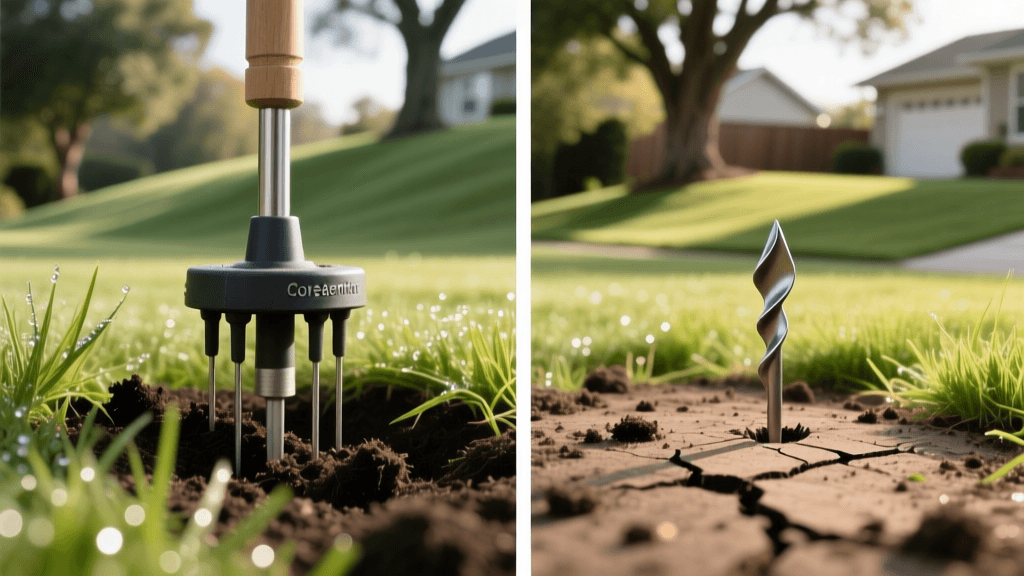
Core vs Spike Aerators: Choosing the Best Lawn Tool
The Hidden Enemy: Understanding Soil Compaction
Every lush, vibrant lawn shares a common foundation: healthy, uncompacted soil. Over time, foot traffic, heavy rain, and routine mowing cause soil particles to press tightly together, eliminating the vital pore spaces that roots need for oxygen, water, and nutrients. This process, known as soil compaction, is the silent killer of turfgrass. To combat this, lawn care professionals and homeowners alike turn to aeration. However, walking into a garden center or equipment rental shop reveals a confusing array of tools. The two primary categories of aeration equipment are spike aerators and core (or plug) aerators. Choosing the right tool is not merely a matter of budget; it is a decision rooted in soil science, turfgrass type, and long-term lawn health.
Spike Aerators: Mechanism, Pros, and Cons
Spike aerators operate using solid tines—usually made of steel or heavy-duty plastic—to pierce the ground and create narrow holes. These tools range from simple pitchforks and strap-on aerator sandals to push-wheel models and heavy tow-behind implements for riding tractors.
The Advantages of Spike Aeration
- Cost-Effective: Spike aerators are significantly cheaper than their core counterparts. A high-quality manual push spike aerator can cost between $40 and $80, while aerator sandals cost as little as $20.
- No Mess Left Behind: Because they only puncture the soil, spike aerators do not extract dirt. This means you can mow and use the lawn immediately after treatment without dealing with scattered soil plugs.
- Lightweight and Easy to Store: Manual spike tools take up minimal space in a garage and require no engine maintenance or heavy lifting.
The Drawbacks of Spike Aeration
While spike aerators seem like a quick fix, turfgrass scientists often warn against their use in heavily compacted areas. According to research highlighted by the NC State TurfFiles program, driving a solid spike into compacted soil actually pushes the surrounding dirt outward and downward. This lateral displacement can worsen compaction right next to the hole, creating a hardpan barrier that restricts root growth. Spike aeration is generally only recommended for soils that are already sandy or loamy, or for lawns suffering from very mild, superficial compaction.
Core Aerators: The Gold Standard for Turf Health
Core aerators, also known as plug aerators, utilize hollow tines to physically remove cylindrical cores of soil and thatch from the lawn. These plugs, typically 2 to 3 inches long and about half an inch in diameter, are deposited on the surface of the lawn to break down naturally over the next few weeks.
The Advantages of Core Aeration
- True Compaction Relief: By physically removing soil, core aerators create genuine voids in the earth. This allows air, water, and fertilizers to penetrate deep into the root zone without causing lateral soil displacement.
- Thatch Management: The soil plugs left on the surface contain beneficial microbes. As these plugs break down and wash back into the turf canopy, the microbes help decompose excessive thatch layers naturally.
- Ideal for Overseeding: The deep, wide holes created by hollow tines provide perfect, protected micro-environments for grass seed to germinate and establish root contact with the soil.
The Drawbacks of Core Aeration
The primary downside of core aeration is the physical effort and cost involved. Motorized walk-behind core aerators are heavy, often weighing between 200 and 300 pounds, making them difficult to transport and maneuver. Furthermore, the extracted soil plugs leave the lawn looking messy for a week or two until they are broken up by mowing or rainfall.
Equipment Breakdown: Manual vs. Motorized Tools
When selecting your aeration equipment, you must consider the size of your lawn and your physical capabilities.
Manual Step Aerators (Core)
These tools feature a T-bar handle and two to four hollow tines. You step on a crossbar to drive the tines into the soil, then pull up to extract the plug. They are excellent for small urban lawns, patch repair, or aerating high-traffic zones like gateways and play areas. Expect to pay $40 to $70 for a heavy-duty steel model. The downside is the intense physical labor required; aerating a 5,000-square-foot lawn with a manual tool can take hours and cause severe fatigue.
Push-Wheel Spike Aerators
Resembling a manual push reel mower, these feature a rotating drum studded with solid spikes. They are best suited for small-to-medium lawns with sandy soil. They cost around $60 to $120 and require moderate physical exertion to push, especially in dry soil.
Gas-Powered Walk-Behind Core Aerators
For lawns larger than 3,000 square feet with heavy clay soil, renting a gas-powered core aerator is the most practical choice. These machines use a heavy drum and rotating hollow tines to extract plugs efficiently. Rental costs typically range from $80 to $120 per day. The University of Minnesota Extension strongly recommends these motorized machines for cool-season lawns suffering from severe clay compaction, as their sheer weight is required to penetrate hard earth.
Tow-Behind Plug Aerators
If you own a riding mower or lawn tractor and have a large property (over 10,000 square feet), a tow-behind core aerator is a wise investment. These units cost between $150 and $350 and feature a weight tray where you can add concrete blocks to increase tine penetration.
Feature Comparison Chart
| Feature | Spike Aerator | Core (Plug) Aerator |
|---|---|---|
| Mechanism | Solid tines pierce soil | Hollow tines extract soil cores |
| Effect on Compaction | Can worsen lateral compaction | Effectively relieves deep compaction |
| Best Soil Type | Sandy or loamy soils | Heavy clay or highly compacted soils |
| Surface Mess | None | Leaves soil plugs on the surface |
| Equipment Cost | $20 - $150 (Purchase) | $50 - $350 (Purchase) or $100/day (Rent) |
| Thatch Reduction | None | High (via microbial breakdown) |
Matching the Tool to Your Soil Type
To make the correct equipment choice, you must first identify your soil type. You can perform a simple 'ribbon test' at home: take a handful of moist soil and try to squeeze it into a ribbon between your thumb and forefinger. If the soil forms a long, sticky ribbon that holds together tightly, you have heavy clay soil. If it crumbles immediately and won't form a ribbon, you have sandy soil.
If your soil test reveals heavy clay, you must use a core aerator. Using a spike aerator on clay is counterproductive and will only create a harder, more impenetrable sub-surface layer. Conversely, if you have sandy soil that drains rapidly and rarely compacts, a spike aerator is perfectly adequate for routine maintenance and will save you the hassle of dealing with surface plugs.
Step-by-Step Aeration Best Practices
Regardless of the tool you choose, proper execution is vital for maximizing the benefits of aeration. Follow these professional guidelines to ensure success:
- Time it Right: Aerate cool-season grasses (like Kentucky Bluegrass and Fescue) in the early fall when they are actively growing. Aerate warm-season grasses (like Bermuda and Zoysia) in late spring or early summer. Avoid aerating during droughts or peak heat stress.
- Prepare the Soil: Aeration tools cannot penetrate dry, hard earth. Water your lawn deeply 24 to 48 hours before aerating. The soil should be moist, but not muddy. If it is too wet, the hollow tines of a core aerator will become clogged with mud and fail to extract plugs.
- Mark Hidden Hazards: Always mark sprinkler heads, shallow utility lines, and invisible dog fences with brightly colored flags before operating heavy motorized aerators to prevent costly damage.
- Make Multiple Passes: For heavily compacted areas, make two passes with your aerator. Make the second pass perpendicular to the first to create a dense, uniform grid of holes.
- Capitalize on the Open Soil: Aeration is the perfect precursor to overseeding and fertilizing. According to turf experts at Penn State Extension, applying seed and fertilizer immediately after core aeration allows the materials to fall directly into the aeration holes, drastically improving germination rates and nutrient uptake.
By understanding the mechanical differences between spike and core aerators, and matching the tool to your specific soil profile, you can transform a struggling, compacted lawn into a thick, resilient, and deeply rooted turf.