Lawn Care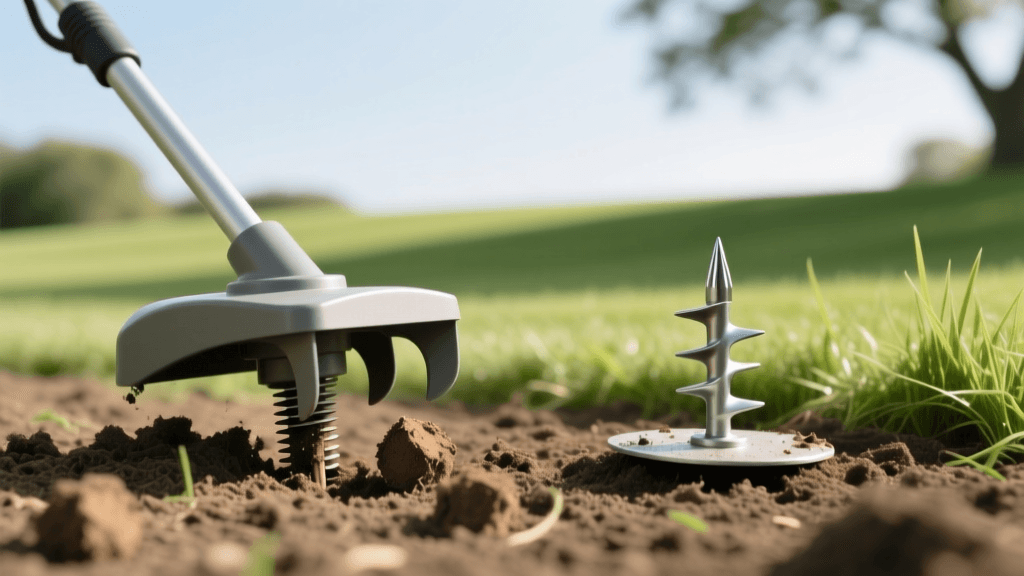
Core Aerator vs Spike Aerator: The Ultimate Buying Guide
Understanding Lawn Aeration and Soil Compaction
Every lush, vibrant lawn shares a common secret beneath the surface: healthy, uncompacted soil. Over time, foot traffic, heavy rain, and regular mowing compress the soil particles, squeezing out the vital oxygen and water pathways that grass roots need to thrive. When soil becomes compacted, your lawn will exhibit signs of stress, including thinning grass, pooling water, and increased weed invasion. The solution to this underground problem is aeration. However, when you begin shopping for lawn care equipment, you will quickly encounter a major debate in the landscaping world: core aeration versus spike aeration. Choosing the right tool is not just a matter of preference; it is a decision rooted in soil science, lawn size, and long-term turf health. In this comprehensive equipment guide, we will break down the mechanics, costs, and best use cases for both core and spike aerators so you can make an informed investment for your yard.
What is a Spike Aerator?
Spike aerators are exactly what they sound like: tools equipped with solid metal tines or spikes that puncture the ground to create narrow holes. These tools come in various forms, ranging from inexpensive manual push-models and strap-on aerator shoes to heavy-duty tow-behind spike drums designed to be pulled behind a riding mower or ATV.
How Spike Aerators Work
When you push or pull a spike aerator across your lawn, the solid tines pierce the soil, creating channels for air, water, and liquid fertilizers to reach the root zone. Because they do not remove any soil from the ground, spike aerators leave the surface relatively clean and require minimal post-aeration cleanup.
The Hidden Drawback: Lateral Compaction
While spike aerators are inexpensive and easy to use, they have a significant flaw when it comes to soil physics. Because the solid spike must push soil out of the way to penetrate the ground, it actually compresses the surrounding earth laterally. According to turfgrass specialists, this lateral compression can worsen soil compaction in the areas immediately surrounding the hole. If your soil is already heavily compacted or rich in clay, using a spike aerator can inadvertently make the problem worse over time.
Best Use Cases for Spike Aerators
- Sandy or Loamy Soils: If your soil is naturally loose, well-draining, and not prone to severe compaction, a spike aerator can provide adequate gas exchange without the risk of worsening lateral compaction.
- Minor Maintenance: Spike aerators are great for quick, mid-season touch-ups between deeper core aeration sessions.
- Small Budgets: Manual spike aerators and strap-on shoes are incredibly affordable, often costing under $30.
What is a Core Aerator?
Core aerators (also known as plug aerators) are the gold standard for professional lawn care and serious homeowners. Instead of solid spikes, these machines are equipped with hollow metal tines. As the machine moves across the lawn, the hollow tines extract cylindrical plugs of soil and thatch—typically 1 to 3 inches deep and 0.5 to 0.75 inches wide—and deposit them on the surface of the lawn.
How Core Aerators Work
By physically removing plugs of earth, core aerators relieve soil pressure in all directions. This creates wide, deep channels that allow roots to expand laterally and deeply. Furthermore, the extracted soil plugs are left on the surface, where they break down over a few weeks. As these plugs disintegrate, the soil microorganisms within them are redistributed across the lawn, actively helping to break down the thatch layer that accumulates at the soil surface.
The Benefits of Core Aeration
Experts at Penn State Extension strongly recommend core aeration for alleviating severe soil compaction and managing thatch buildup. The physical removal of soil cores creates a superior environment for overseeding, as grass seeds can fall directly into the aeration holes, ensuring excellent seed-to-soil contact and protecting the seeds from birds and drying winds.
Best Use Cases for Core Aerators
- Heavy Clay Soils: Clay particles bind tightly together. Core aeration is the only effective way to physically break up clay compaction.
- High Traffic Areas: Lawns subjected to heavy foot traffic from children, pets, or frequent entertaining require the deep relief that only hollow tines can provide.
- Overseeding Preparation: If you plan to overseed your lawn in the fall, core aeration is a mandatory preparatory step.
Equipment Comparison Chart: Core vs. Spike
| Feature | Spike Aerator | Core Aerator |
|---|---|---|
| Mechanism | Pokes holes with solid tines | Removes soil plugs with hollow tines |
| Compaction Relief | Poor (can worsen lateral compaction) | Excellent (relieves pressure in all directions) |
| Thatch Breakdown | Minimal | High (microbes from plugs break down thatch) |
| Equipment Cost | $ (Very affordable) | $$ to $$$$ (Moderate to expensive) |
| Lawn Cleanup | None required | Plugs must be left to decompose or raked |
| Best Soil Type | Sandy, loose, non-compacted | Heavy clay, compacted, high-traffic |
Choosing the Right Core Aerator Equipment
If you have determined that your lawn requires core aeration, the next step is selecting the right equipment. Core aerators come in three primary categories, each suited for different lawn sizes and budgets.
1. Manual Step-On Core Aerators
These tools feature a long T-handle and a foot bar. You step on the bar to drive the hollow tines into the soil, then pull the handle back to extract the plugs. Cost: $40 to $80. Best For: Small urban lawns, garden beds, or tight spaces where machinery cannot fit. Drawback: Highly labor-intensive. Aerating a 5,000-square-foot lawn manually will take hours and significant physical exertion.
2. Tow-Behind Core Aerators
These units hitch to the back of a riding mower, tractor, or ATV. They feature a weight tray that allows you to add cinder blocks or sandbags to increase downward pressure, ensuring the tines penetrate deeply into hard soil. Brands like Agri-Fab and Brinly-Hardy dominate this market. Cost: $150 to $350. Best For: Suburban lawns ranging from 1/4 acre to 2 acres. Drawback: Requires a towing vehicle and storage space. Maneuvering around tight landscape beds can be tricky.
3. Walk-Behind Gas Core Aerators
These are heavy, self-propelled, commercial-grade machines (often manufactured by Billy Goat or Classen). They use a rotating camshaft to drive the tines into the ground with immense force, requiring no added weights. Cost: $2,000+ to purchase, but widely available for rent at home improvement stores for $60 to $100 per day. Best For: Large properties, heavily compacted commercial lawns, or homeowners who prefer to rent professional-grade gear once a year.
How to Choose Based on Your Soil Type
Your local soil composition should dictate your aeration strategy. According to Clemson University's Home and Garden Information Center, lawns with heavy clay soils—common in the Southeast and parts of the Midwest—absolutely require core aeration. Clay particles are microscopic and flat, meaning they stack tightly and repel water when compacted. A spike aerator will simply glaze the sides of the hole in clay soil, creating a sealed column that water cannot penetrate.
Conversely, if you live in a coastal region or an area with naturally sandy, fast-draining soil, your lawn is less susceptible to severe compaction. In these environments, a spike aerator or a simple dethatching rake may be sufficient to maintain adequate soil oxygenation without the heavy investment of a core aerator.
Best Practices for Aerating Your Lawn
Owning the right tool is only half the battle. Proper technique ensures you get the maximum benefit from your equipment.
- Time it Right: Aerate cool-season grasses (like Kentucky Bluegrass and Fescue) in early fall when they are entering their peak growth phase. Aerate warm-season grasses (like Bermuda and Zoysia) in late spring or early summer.
- Hydrate the Soil: Water your lawn deeply 24 to 48 hours before aerating. The soil should be moist but not muddy. If the ground is too dry, even heavy walk-behind aerators will fail to penetrate deeply enough.
- Mark Your Utilities: Always mark sprinkler heads, valve boxes, and shallow utility lines with brightly colored flags before running heavy machinery over your lawn.
- Overlap Your Passes: For severely compacted areas, make two passes over the lawn, with the second pass perpendicular to the first, to ensure maximum hole density.
Pro Tip: Never rake up and remove the soil plugs left behind by a core aerator. Allow them to dry and break down naturally over the next two to three weeks. As they dissolve, they return valuable topsoil and thatch-eating microbes back into the turf canopy, acting as a natural, free top-dressing.
Conclusion
When it comes to the ultimate battle of core aerator vs. spike aerator, the core aerator is the undisputed champion for long-term lawn health, compaction relief, and thatch management. While spike aerators have a place in maintaining loose, sandy soils on a tight budget, they simply cannot match the agronomic benefits of physically removing soil plugs. By assessing your soil type, lawn size, and budget, you can select the exact aeration equipment needed to transform a thin, struggling yard into a thick, deeply rooted, and resilient landscape.