Lawn Care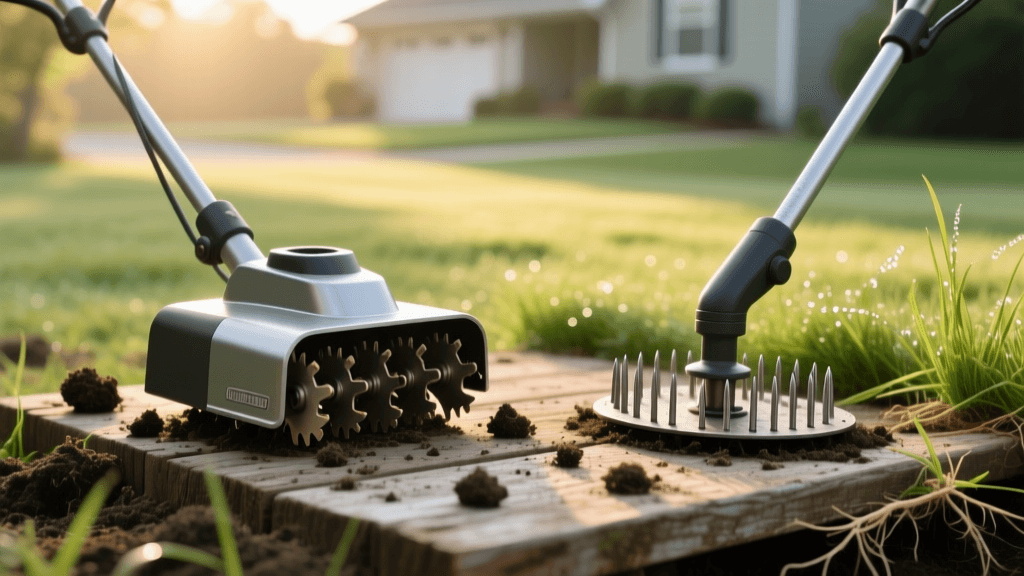
Core vs Spike Aerators: The Ultimate Lawn Tool Guide
The Science of Soil Compaction and Aeration
Every lush, vibrant lawn relies on a complex underground ecosystem. Grass roots require oxygen, water, and nutrients to thrive, but over time, foot traffic, heavy mowing equipment, and natural settling can cause soil particles to compress tightly together. This process, known as soil compaction, restricts the flow of essential elements to the root zone. When soil becomes compacted, water pools on the surface, fertilizer runs off, and grass roots suffocate, leading to thin, patchy, and weed-prone turf.
Lawn aeration is the mechanical process of creating small holes in the soil to alleviate this compaction. However, not all aeration tools are created equal. The two primary methods available to homeowners and landscaping professionals are core aeration (also known as plug aeration) and spike aeration. Choosing the right equipment depends heavily on your soil type, lawn size, budget, and long-term turf goals. In this comprehensive tools and equipment guide, we will break down the mechanics, costs, and best use cases for core and spike aerators to help you make an informed decision for your lawn care arsenal.
Core Aerators: The Gold Standard for Clay Soils
Core aerators, or plug aerators, utilize hollow tines to penetrate the soil and physically extract cylindrical plugs of earth and thatch. These plugs, typically measuring 2 to 3 inches in length and about half an inch in diameter, are deposited on the surface of the lawn where they naturally break down over the next few weeks. By removing actual volumes of soil, core aeration creates immediate, lasting space for roots to expand, water to infiltrate, and oxygen to reach the subsoil.
Types of Core Aeration Equipment
- Manual Step Aerators: These are budget-friendly, human-powered tools featuring a foot bar and two to four hollow tines. You step down to drive the tines into the ground and pull up to release the plugs. Cost: $30 - $60. Best for small yards or spot treatments.
- Walk-Behind Gas Aerators: Heavy, motorized machines that you guide across the lawn. Because they are heavy, they penetrate deep into compacted soil without requiring excessive downward force from the user. Most homeowners rent these from local hardware stores. Rental Cost: $80 - $120 per day.
- Tow-Behind Core Aerators: Designed to be hitched to a riding mower or ATV. These feature a weight tray where you can add cinder blocks or sandbags to increase penetration depth. Purchase Cost: $150 - $350. Ideal for large properties over half an acre.
Pros and Cons of Core Aeration
The primary advantage of core aeration is its unparalleled ability to relieve severe compaction, especially in heavy clay soils. According to the University of Minnesota Extension, removing soil plugs is the most effective way to improve water and nutrient uptake in dense soils. Furthermore, the extracted plugs deposit beneficial soil microorganisms onto the surface, which helps break down the thatch layer naturally.
However, core aeration equipment is generally more expensive, heavier, and more labor-intensive to operate. The leftover soil plugs can also make the lawn look messy for a week or two until they dissolve into the turf canopy.
Spike Aerators: Quick Fixes for Sandy and Loamy Soils
Spike aerators use solid tines, forks, or spikes to simply poke holes into the ground without removing any soil. The goal is to fracture the surface crust and create temporary channels for air and water. Because they do not extract soil, spike aerators are lighter, easier to maneuver, and leave no messy plugs behind.
Types of Spike Aeration Equipment
- Aerator Shoes: Sandals with long metal spikes on the bottom that strap over your work boots. You simply walk across the lawn to aerate it. Cost: $20 - $40. While popular, they often fail to penetrate deeply and can cause surface smearing.
- Manual Push Spike Rollers: A cylindrical drum covered in solid spikes attached to a push handle. Some models allow you to fill the drum with water for added weight. Cost: $50 - $90.
- Garden Pitchforks: A standard landscaping fork can be used to manually stab the ground and rock back slightly to fracture the soil. Cost: $30 - $50. Highly effective for tiny, severely compacted spots but impractical for whole lawns.
Pros and Cons of Spike Aeration
Spike aerators are excellent for maintaining already healthy, loamy, or sandy soils that do not suffer from severe compaction. They are perfect for a quick mid-season refresh before applying liquid fertilizers, as the holes allow immediate nutrient penetration. They are also significantly cheaper and require minimal physical exertion or storage space.
The major drawback of spike aeration is its effect on clay soils. Pushing a solid spike into dense clay actually compresses the soil laterally, pushing the dirt tightly against the sides of the hole. As noted by Penn State Extension, this lateral compression can worsen compaction in heavy soils, effectively creating a sealed, impermeable cylinder that restricts root growth even further. Therefore, spike aeration is strictly discouraged for heavy clay lawns.
Equipment Comparison Chart: Core vs. Spike Aerators
| Feature | Core (Plug) Aerator | Spike Aerator |
|---|---|---|
| Mechanism | Extracts cylindrical soil plugs | Pokes holes with solid tines |
| Best Soil Type | Heavy clay, heavily compacted soils | Sandy, loamy, or mildly compacted soils |
| Compaction Relief | Excellent (relieves lateral pressure) | Poor in clay (can increase lateral compaction) |
| Thatch Breakdown | High (brings soil microbes to surface) | None |
| Equipment Cost | $$$ (Rentals or expensive purchases) | $ (Affordable manual tools) |
| Lawn Appearance | Messy initially (plugs left on surface) | Clean (no debris left behind) |
| Longevity of Results | Long-lasting (holes remain open for weeks) | Short-lived (holes close quickly) |
How to Choose the Right Aeration Tool for Your Lawn
Selecting the proper equipment begins with understanding your soil composition. If you are unsure of your soil type, perform a simple mason jar soil test or contact your local county cooperative extension office for a professional soil analysis.
If your soil is predominantly clay and your lawn experiences heavy foot traffic from children or pets, investing in a core aerator is non-negotiable. The physical removal of soil is the only way to permanently alter the bulk density of clay. Conversely, if you live in an area with naturally sandy soil that drains quickly, or if you simply need to poke holes to help a liquid fertilizer reach the root zone of an already healthy lawn, a manual spike roller or pitchfork will suffice.
Pro Tip: Never use aerator shoes on heavy clay lawns. The downward force of your body weight combined with the solid spikes will create a highly compacted 'hardpan' layer just beneath the surface, suffocating your grass roots over time.
Step-by-Step Guide to Aerating Your Lawn
Regardless of whether you choose a core or spike aerator, proper execution is vital for maximizing turf health. Follow these professional steps for the best results:
1. Time It Right
Aerate during your grass's peak growing season so it can recover quickly. For cool-season grasses (Kentucky Bluegrass, Fescue, Ryegrass), early fall is the ideal window. For warm-season grasses (Bermuda, Zoysia, Centipede), aim for late spring to early summer.
2. Prepare the Soil
Aeration tools cannot penetrate dry, hard earth. Water your lawn deeply 24 to 48 hours before aerating. The soil should be moist but not muddy. If the ground is too wet, the core aerator tines will clog with mud, and spike aerators will cause severe surface smearing.
3. Mark Underground Utilities
Before driving metal tines into your yard, mark all shallow sprinkler heads, valve boxes, and invisible dog fences with bright flags. Hitting a sprinkler head with a heavy walk-behind aerator can cause hundreds of dollars in damage.
4. Execute the Aeration Pattern
For core aeration, make one pass over the lawn in a single direction, and then make a second pass diagonally to create a crisscross pattern. Aim for 20 to 40 holes per square foot. For highly compacted areas like driveways or walkways, make a third pass.
5. Post-Aeration Care
Leave the extracted soil plugs on the lawn; they will break down and return valuable microbes to the thatch layer. Immediately after aerating, your lawn is perfectly primed for overseeding and fertilizing. The open holes provide direct seed-to-soil contact, drastically improving germination rates. Apply a high-quality starter fertilizer and keep the soil consistently moist until new grass seedlings establish.
Frequently Asked Questions
How often should I aerate my lawn?
Lawns with heavy clay soil or high foot traffic should be core aerated once a year. Lawns with sandy soil or low traffic may only require aeration every two to three years, or a light spike aeration annually to assist with nutrient uptake.
Can I use a liquid aerator instead of mechanical tools?
Liquid aerators contain surfactants designed to reduce water surface tension and break apart soil particles chemically. While they can be a helpful supplement, they cannot physically remove soil mass or relieve severe mechanical compaction like a core aerator. They are best used as a maintenance tool between mechanical aeration cycles.