Gardening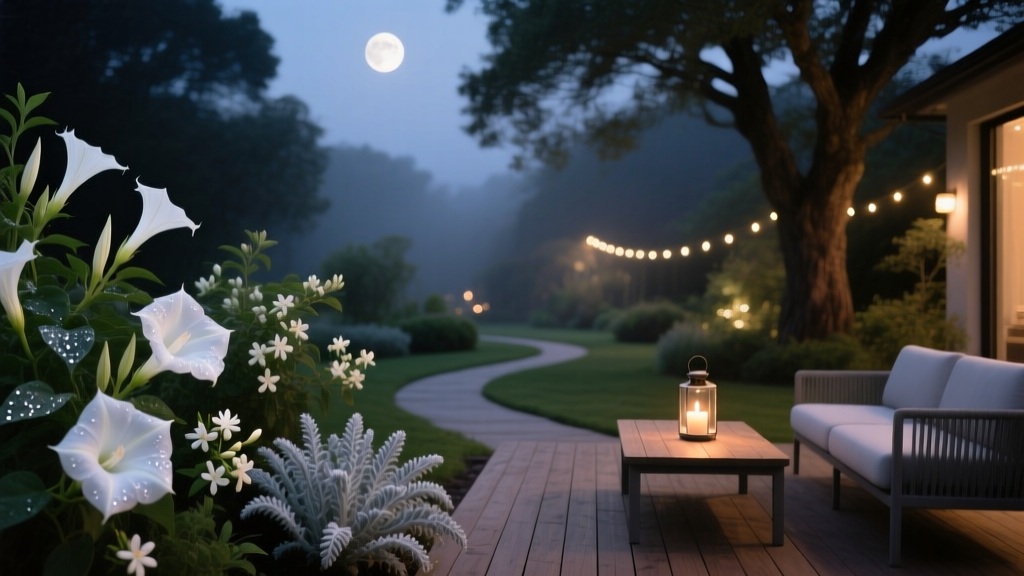
Design a Moon Garden for Evening Entertaining & Curb Appeal
Robert HayesPublished
What is a Moon Garden?
As the sun sets, most traditional gardens fade into the background, losing their visual impact and vibrant colors. However, for homeowners who love evening outdoor entertaining, the twilight hours present a unique opportunity to showcase a specialized landscape feature: the moon garden. A moon garden is specifically designed to come alive at dusk, utilizing white flowers, silver foliage, and night-blooming plants that reflect moonlight and release intoxicating fragrances after dark. Not only does this elevate your nighttime curb appeal, but it also creates an immersive, magical atmosphere for evening gatherings, cocktail parties, and late-night conversations on the patio.
Strategic Placement for Maximum Entertaining Impact
Where you locate your moon garden is just as critical as what you plant. To maximize the impact on your outdoor entertaining space, position the garden adjacent to your primary seating area, patio, or deck. According to landscape design principles highlighted by the University of Illinois Extension, placing fragrant night-bloomers near walkways and seating ensures that guests are enveloped in the garden's sensory experience. Avoid placing the garden in deep, heavily shaded corners where moonlight cannot penetrate the tree canopy. Instead, choose a south- or west-facing location that receives direct moonlight and remains visible from your outdoor dining area. A 10x10 foot space is typically sufficient to create a lush, layered border that frames your entertainment zone without overwhelming the yard.
Soil Preparation and Foundation
Before purchasing plants, you must prepare the soil to support vigorous growth and abundant blooming. Most moon garden favorites, such as moonflowers and nicotiana, thrive in well-draining, loamy soil with a slightly acidic to neutral pH (6.0 to 7.0). Start by clearing the area of weeds and existing turf. Till the soil to a depth of 12 to 14 inches to break up compaction. Incorporate 2 to 3 inches of high-quality organic compost or well-rotted manure to improve soil structure and moisture retention. For a 10x10 foot garden bed, you will need approximately 1 cubic yard of compost, which typically costs between $30 and $50 depending on your local supplier. If your soil is heavy clay, mix in perlite or coarse sand to prevent waterlogging, which can lead to root rot in silver-foliaged plants like dusty miller.
Selecting the Best Plants for Twilight Curb Appeal
The secret to a successful moon garden lies in selecting plants that either bloom in stark white, feature reflective silver foliage, or open their petals exclusively at night. When selecting varieties, always verify their hardiness zones and light requirements using trusted databases like the Missouri Botanical Garden Plant Finder. Here are the top performers for an evening landscape:
- Moonflower (Ipomoea alba): The undisputed star of the night garden. This vigorous annual vine produces massive, 6-inch white blooms that unfurl at dusk, releasing a sweet, lemony fragrance. Plant seeds 1/4 inch deep after scarifying and soaking them for 24 hours. Provide a sturdy trellis, as they can climb 10 to 15 feet in a single season.
- Flowering Tobacco (Nicotiana alata): Growing 2 to 3 feet tall, this plant produces clusters of star-shaped white flowers that emit a powerful jasmine-like scent in the evening. It is perfect for middle-border layering and thrives in partial shade to full sun.
- Evening Primrose (Oenothera biennis): A biennial that produces bright yellow-to-white flowers that open rapidly at sunset. It is highly drought-tolerant and excellent for filling gaps in the garden bed.
- Dusty Miller (Jacobaea maritima): Grown primarily for its striking, lace-like silver foliage, Dusty Miller acts as a natural reflector for moonlight and pathway lighting. It stays compact at 8 to 12 inches tall and is highly deer-resistant.
- Lamb's Ear (Stachys byzantina): A low-growing groundcover with soft, velvety, silver-gray leaves. It provides excellent textural contrast and helps suppress weeds at the front of the border.
Moon Garden Plant Selection Chart
| Plant Name | Mature Height | Bloom Time | Special Feature |
|---|---|---|---|
| Moonflower | 10-15 ft (Vine) | Summer to Fall | Night-blooming, highly fragrant |
| Nicotiana | 2-3 ft | Summer | Jasmine scent, attracts moths |
| Evening Primrose | 3-5 ft | Summer | Drought-tolerant, rapid opening |
| Dusty Miller | 8-12 in | N/A (Foliage) | Reflective silver leaves |
| Lamb's Ear | 6-8 in | Late Spring | Textural groundcover |
Hardscaping, Lighting, and Accessories
To truly maximize curb appeal and set the stage for entertaining, integrate hardscaping elements that complement the pale color palette. Replace dark brown or black mulch with light-colored alternatives such as white pea gravel, crushed oyster shells, or pale cedar mulch. These materials reflect ambient light and keep the garden visible even on moonless nights. For pathway lighting, avoid harsh, cool-blue floodlights that wash out the delicate colors of the garden. Instead, invest in warm-white (2700K) LED solar path lights. Position them low to the ground, angling the beams upward slightly to illuminate the silver foliage of the Dusty Miller and the white blooms of the Nicotiana. A 4-pack of high-quality, weatherproof solar LED lights typically costs between $40 and $60 and requires no trenching or wiring.
Evening Entertaining Integration
A moon garden is meant to be experienced, not just viewed from a distance. Integrate your outdoor entertaining furniture directly into or immediately adjacent to the planting beds. Place a pair of Adirondack chairs or a curved stone bench at the terminus of a gravel pathway winding through the garden. To enhance the ambiance, add a smokeless fire pit (ranging from $150 to $400) as a central focal point. The flickering firelight pairs beautifully with the reflective white blooms. Because night-blooming gardens attract pollinators like the Sphinx moth, which are harmless but can surprise guests, keep the seating area slightly offset from the densest planting zones. To manage mosquitoes without ruining the aesthetic with harsh chemical sprays, use stylish citronella torches or plant natural repellents like lavender and marigolds on the outer perimeter of the entertainment zone.
Maintenance, Watering, and Pest Control
Maintaining a moon garden requires a slightly different routine than a traditional daytime border. Water the garden deeply at the base of the plants in the early morning to allow foliage to dry before nightfall, which helps prevent fungal diseases like powdery mildew—a common issue for plants with fuzzy leaves like Lamb's Ear. Deadhead spent blooms on the Nicotiana and Moonflowers every two days to encourage continuous flowering throughout the late summer entertaining season. Slugs and snails are notoriously fond of the damp, cool night air and will readily chew holes in your prized foliage. To protect your investment, apply an iron phosphate-based slug bait, such as Sluggo (approximately $15 per canister), around the base of vulnerable plants. Iron phosphate is highly effective, safe for pets, and breaks down into natural soil nutrients. With proper placement, thoughtful plant selection, and routine care, your moon garden will become the crown jewel of your property, offering unparalleled curb appeal and an unforgettable backdrop for every evening gathering.
