Gardening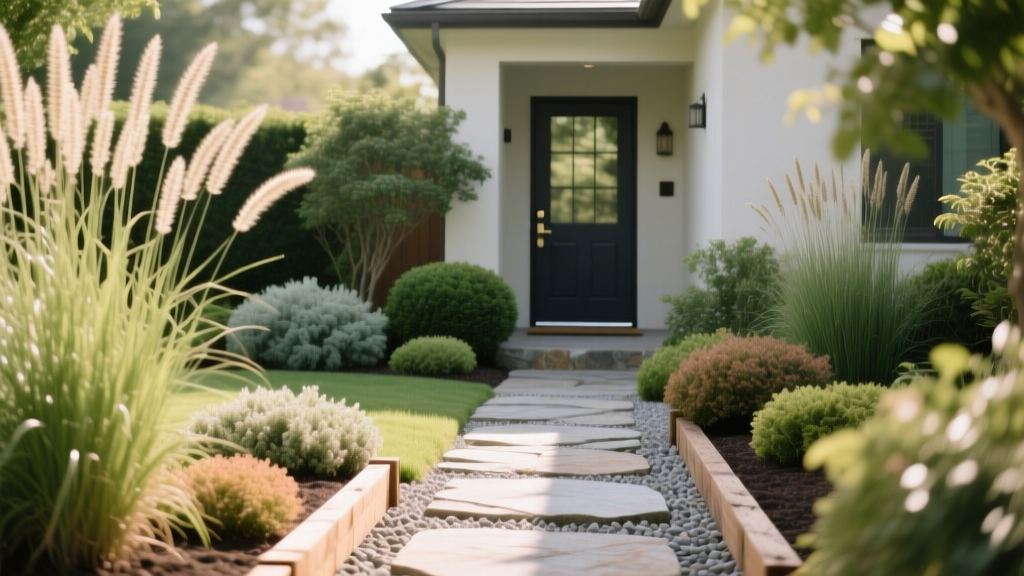
Designing Your Entryway Garden for Maximum Curb Appeal
Sarah ChenPublished
The Psychology of the Approach
Your front entryway is more than just a transition space between the street and your living room; it is the prelude to your home's outdoor entertaining areas and the ultimate first impression. When guests arrive for a summer barbecue or an evening garden party, the walkway and surrounding garden beds set the emotional tone for the entire event. A well-designed entryway garden signals warmth, hospitality, and meticulous care. From a real estate perspective, exceptional curb appeal can significantly boost your property value, but for the avid gardener and consummate host, it is about creating a welcoming sanctuary that seamlessly blends the public facade of your home with the private oasis of your backyard.
Designing an entryway garden that balances aesthetic beauty with practical functionality requires a strategic approach. You must consider architectural scale, seasonal transitions, and the flow of foot traffic. In this comprehensive guide, we will explore the essential elements of crafting a stunning entryway landscape that captivates visitors and elevates your home's exterior.
Assessing Your Canvas: Sun, Soil, and Scale
Before purchasing a single plant or laying a single paving stone, you must thoroughly assess your site conditions. The microclimate of your front yard is dictated by your home's orientation, existing trees, and the hardscape itself. South-facing entryways endure intense, baking heat reflected off driveways and siding, while north-facing porches may remain in deep, cool shade for most of the day.
Begin by testing your soil pH and drainage capacity. Entryway beds are often filled with compacted builder's fill, requiring generous amendments of organic compost to support vigorous root growth. Furthermore, always cross-reference your plant choices with the USDA Plant Hardiness Zone Map to ensure your selected perennials and shrubs can survive your region's winter lows and summer highs. Scale is equally critical; a towering oak or a massive rhododendron will quickly swallow a modest front porch, whereas delicate annuals will look lost against a sprawling, two-story brick facade.
The Art of Layering: Thrillers, Fillers, and Spillers
The popular container gardening formula of 'thriller, filler, and spiller' translates beautifully to in-ground entryway landscape beds. This layering technique ensures depth, texture, and visual interest from every angle of the approach.
1. Thrillers: The Structural Anchors
Thrillers are your focal points. In an entryway garden, these are typically small ornamental trees or large, architecturally interesting shrubs planted near the corners of the porch or flanking the walkway. Excellent choices include the Dwarf Japanese Maple (Acer palmatum 'Dissectum'), which offers sweeping, lace-like foliage and brilliant autumn color, or the 'Limelight' Panicle Hydrangea (Hydrangea paniculata), which produces massive, pale-green flower panicles that age to a rich burgundy by late summer. Position thrillers so they frame the front door without obstructing the sightlines of approaching guests.
2. Fillers: The Mid-Layer Texture
Fillers occupy the middle ground, hiding the bare legs of your thrillers and providing a lush, continuous canopy of foliage and blooms. This is where you can introduce native species that support local ecosystems. According to the National Wildlife Federation, incorporating native plants into your landscape design provides essential habitat for pollinators and local bird populations while reducing the need for chemical fertilizers. Consider native fillers like Purple Coneflower (Echinacea purpurea), Black-Eyed Susan (Rudbeckia hirta), or shade-loving Wild Geraniums. For a more manicured, formal look, mass plantings of Coral Bells (Heuchera) offer spectacular foliage colors ranging from deep plum to electric lime.
3. Spillers: The Ground-Level Welcome
Spillers soften the hard edges where the garden bed meets the walkway or driveway. They guide the eye and the foot toward the front door. Creeping Thyme (Thymus serpyllum) is a fantastic, low-growing option that releases a pleasant fragrance when brushed against by passing guests. Sweet Alyssum or cascading Creeping Jenny (Lysimachia nummularia) also serve beautifully to blur the rigid lines of concrete curbing and retaining walls.
Hardscaping: The Bones of Your Entryway
Plants provide the beauty, but hardscaping provides the bones. The pathway to your front door must be inviting, safe, and wide enough to accommodate the flow of entertaining. A standard builder's walkway is often a mere 36 inches wide, which forces guests to walk single-file. For a home that frequently hosts gatherings, upgrade your primary path to a minimum of 48 to 60 inches wide. This allows two people to walk comfortably side-by-side, fostering conversation as they approach the door.
Material selection heavily influences curb appeal. Bluestone and flagstone offer a premium, natural elegance that pairs well with traditional and craftsman-style homes, typically costing between $15 and $25 per square foot installed. For a more budget-friendly but equally charming option, consider crushed decomposed granite (DG) stabilized with a resin binder, or permeable pavers that allow rainwater to percolate into the soil, reducing runoff. Always use polymeric sand between paver joints to lock them in place and prevent weed germination.
Designing for Four-Season Curb Appeal
An entryway garden must look impeccable year-round, not just during the peak of spring blooms. By selecting plants with staggered blooming cycles, interesting bark, and persistent winter berries, you ensure your home always looks welcoming. Below is a strategic planting chart designed for a temperate climate (Zones 5-7) to guarantee continuous visual interest.
| Season | Focal Point (Thriller) | Mid-Layer (Filler) | Groundcover (Spiller) |
|---|---|---|---|
| Spring | Flowering Dogwood (Cornus florida) | Daffodils & Bleeding Hearts | Creeping Phlox (Phlox subulata) |
| Summer | 'Limelight' Hydrangea | Purple Coneflower & Hostas | Creeping Thyme & Alyssum |
| Autumn | Serviceberry (Amelanchier) - Fall Foliage | Sedum 'Autumn Joy' & Ornamental Grasses | Heuchera (Coral Bells) |
| Winter | Red Twig Dogwood (Cornus sericea) | Hellebores (Lenten Rose) | Evergreen Creeping Juniper |
Illuminating the Evening Entertainment
Outdoor entertaining frequently extends well into the evening, making landscape lighting a non-negotiable element of entryway design. Proper illumination ensures safe navigation while dramatically highlighting your garden's best features. Avoid harsh, cool-white floodlights that create a sterile, commercial atmosphere. Instead, opt for low-voltage LED fixtures with a warm color temperature of 2700K to 3000K, which mimics the welcoming glow of incandescent bulbs.
Use path lights with shielded caps to cast light downward onto the walkway, preventing glare in your guests' eyes. Space these fixtures approximately 8 to 10 feet apart along the path. To add depth and drama, employ uplighting at the base of your 'thriller' trees or architectural shrubs, casting dramatic shadows against the home's facade. For a touch of modern elegance, consider recessed LED hardscape lights installed directly beneath the lip of stone porch steps or retaining wall caps.
Sustainable Practices for a Pristine Look
Maintaining a pristine entryway garden shouldn't require an endless expenditure of time, water, and chemicals. Sustainability and curb appeal go hand-in-hand. Apply a 2-to-3-inch layer of high-quality hardwood mulch or pine straw to all garden beds. This not only provides a sharp, uniform backdrop that makes plant colors pop, but it also retains soil moisture and suppresses weeds.
For irrigation, abandon wasteful overhead sprinklers that promote fungal diseases on foliage and stain hardscaping. Instead, install a drip irrigation system with pressure-compensating emitters directly at the root zones of your shrubs and perennials. The EPA WaterSense program highly recommends water-smart landscaping techniques, noting that drip irrigation can reduce water usage in garden beds by up to 50% compared to traditional spray heads. Pair your drip system with a smart Wi-Fi irrigation controller that adjusts watering schedules based on local weather forecasts, ensuring your entryway remains lush and vibrant without wasting a single drop of water.
Final Touches: Accessories and Accents
The final layer of entryway design involves the accessories that reflect your personal style and hint at the hospitality waiting inside. A high-quality, weather-resistant doormat made of coir or recycled rubber sets a practical yet stylish tone. Flank the doorway with symmetrical, oversized ceramic or fiberglass planters filled with seasonal annuals to add a dynamic splash of color that can be easily swapped out as the seasons change. Add a subtle, elegant house number plaque in a finish that complements your exterior light fixtures—such as matte black, brushed brass, or aged copper. By thoughtfully integrating these elements, your entryway garden will not only maximize your curb appeal but will also serve as a beautiful, functional extension of your outdoor entertaining space.
